An Interview with Anna Lenti on Paola Lenti’s History of Sustainability.
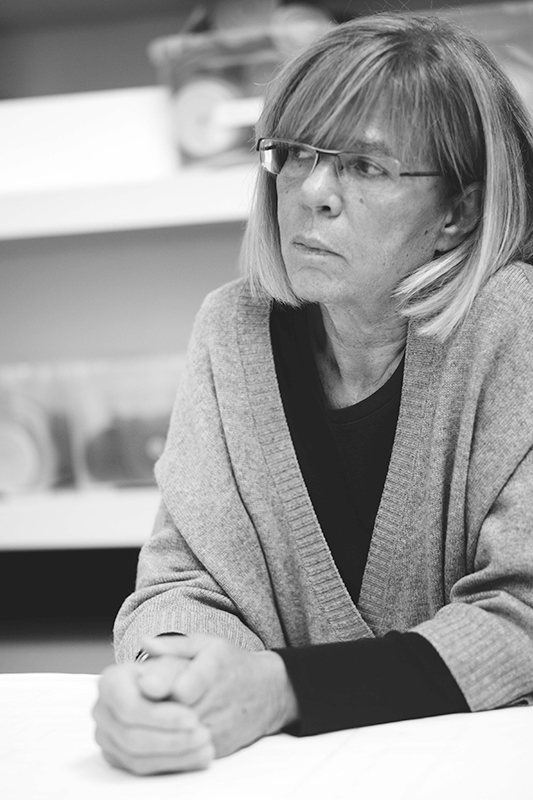
Anna Lenti began her career as a Nuclear Engineer but in 1994 took her extensive experience and joined her sister Paola in what would become one of the industry’s most successful and sustainably driven brands: Paola Lenti.
On a recent trip to Australia Anna Lenti sat down with Tamsin O’Neill to talk about Paola Lenti’s approach to sustainability.
Using the leftovers. Can you tell me a little bit more about that?
Every day, we produce leftover material, and it’s really a pity to throw away something that we don’t want to waste. Of course, we try to recycle as much as possible, but for us, the best approach is actually reuse. After all, recycling means going through a manufacturing process all over again, which still consumes energy. Because of this, we started a program few years ago called Motainai, a Japanese word meaning ‘what a pity to waste’, to reuse this excess material.
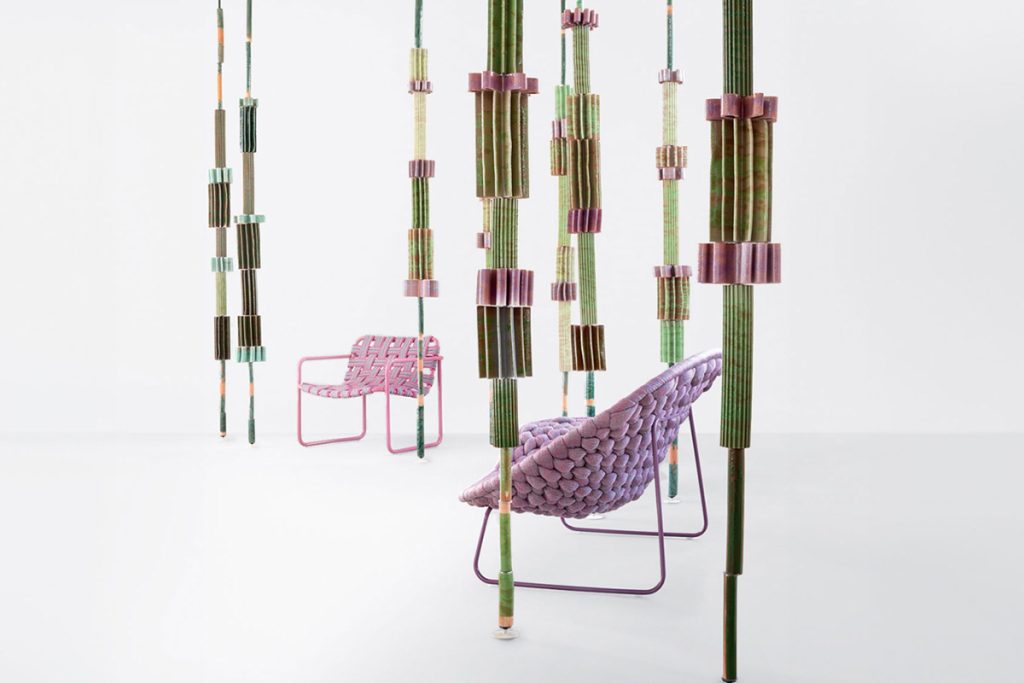
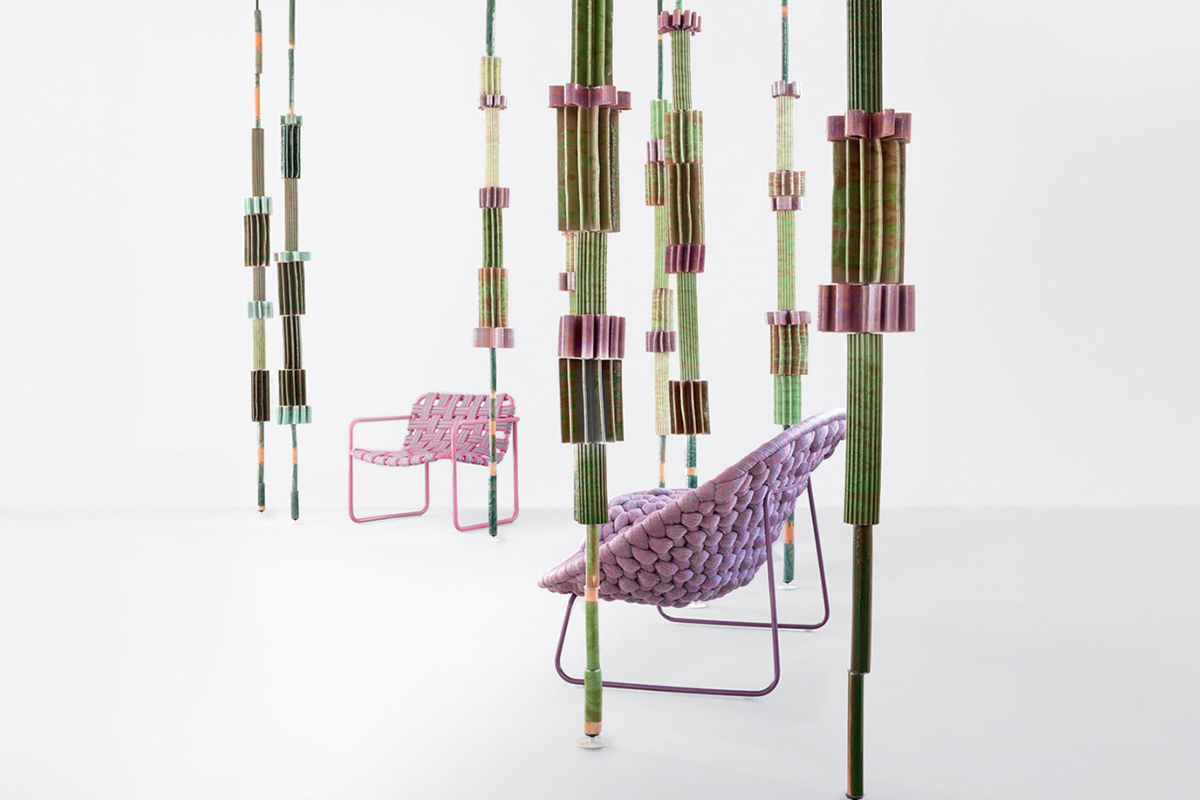
We asked Studio Campana to design a collection, called Metamorphosis to reuse all of our leftovers. The next year, we asked a Japanese studio, nendo, who used our Maris material again to create another collection. At Paola Lenti, we try to reuse as much as possible.
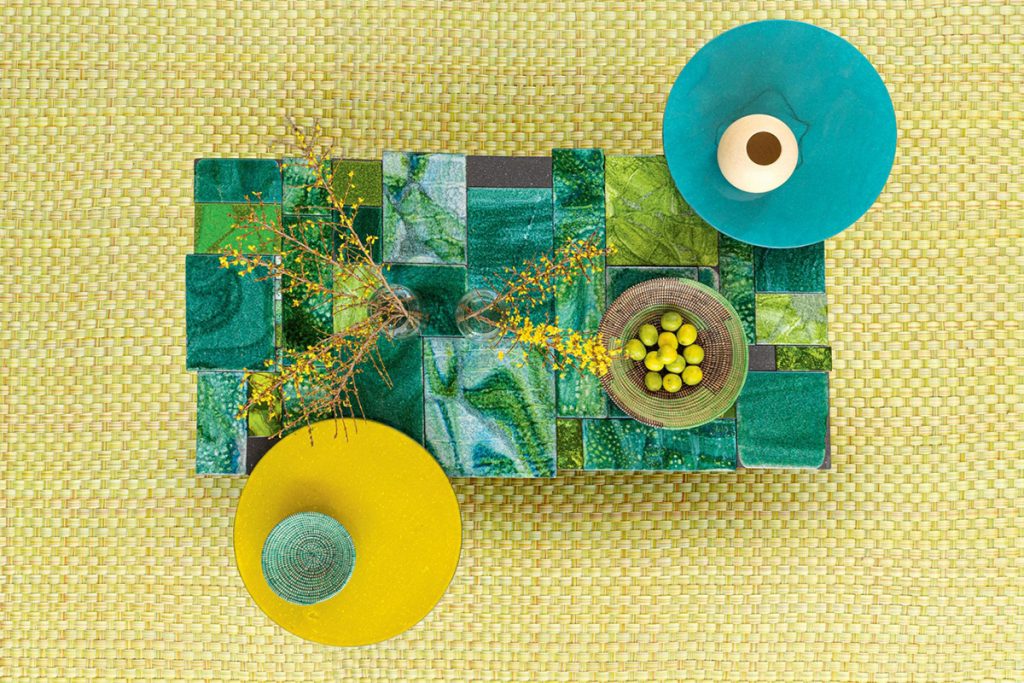
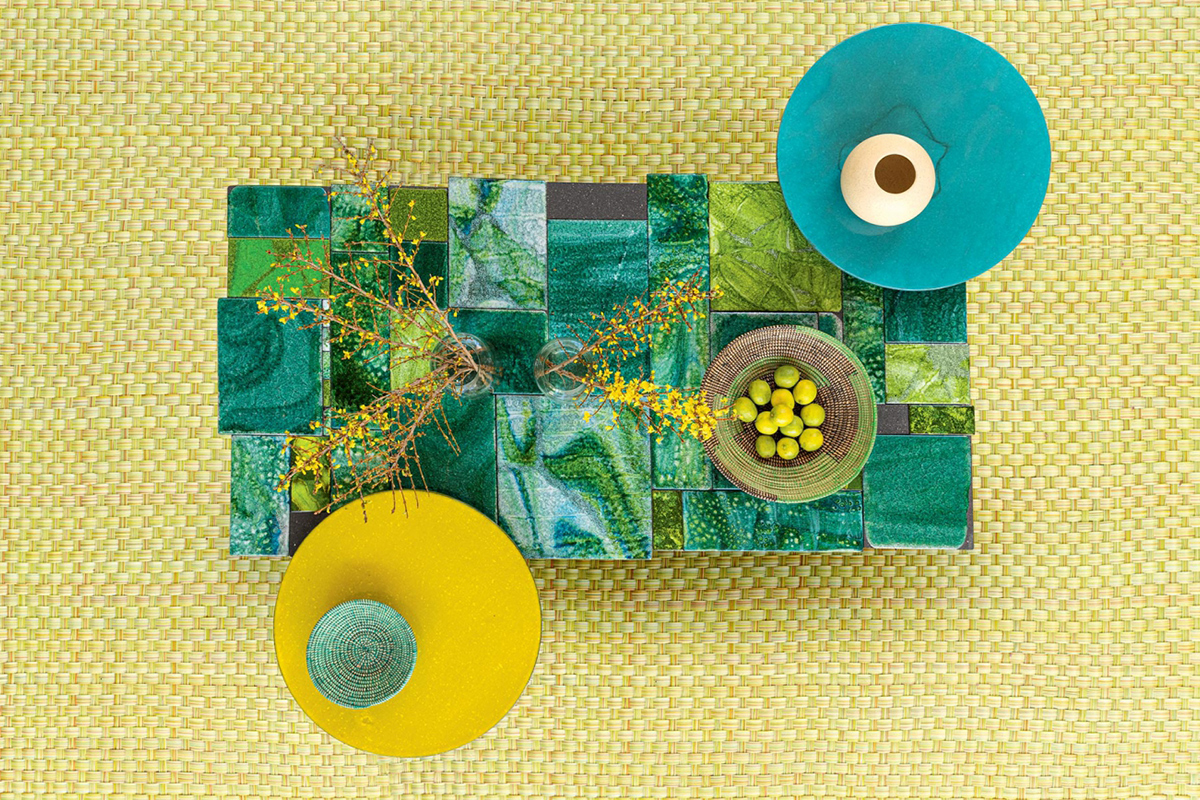
Our Sciara Mottainai table another example. All the tiles that we cannot use for standard production, we reuse to create a table with this shape, and when we have no tiles left, we fill the empty area with lava stone. We also have a collection of stools, embroidered with all the little excess pieces of fabric and even bags with our remaining fabrics. We also provide our materials to various organisations. One in Cambodia makes necklaces, while another in Italy uses the remaining offcuts from our collections. For whatever we can’t reuse, we’ve found a facility elsewhere in Europe that is able to recycle polypropylene, once a month we put together the old leftover material and send it to their plant to recycle it.
For the inner parts of our cushion mattress, we even use a material that is produced by recycling plastic boxes. I really love this sort of coming together of craftsmanship and technology, and how you use those together is something I always like to learn more about. Because as you say, the first guarantee of sustainability is durability. That’s why we use the most technically advanced materials, because we have to ensure the highest performance.
And what about repair? Do you offer some kind of a repair service in?
Yes, of course. It’s easier in Europe, but more difficult here in Australia because sending the product back is not so easy. For this reason, we try to design for easy repair. For example, the product that we introduced last year, the Alma, is very easy to repair here because it’s simple to change and adjust the mesh connected to the steel frame. All the fabric products can also be reupholstered, and most covers are removable, so you can change them if you want. For the pieces that aren’t removable today, we are trying to modify them to make them removable, because we understand that repairing these pieces is important, especially since the metal structure will last.
Do you get people returning furniture at end of life?
It can be quite rare, but clients do sometimes send items back for repair. We have a very loyal client who has bought our furniture for many years. She bought one of our very first rugs, and fifteen years later, sent it back to us for repair. We said, ‘Okay, but if you prefer, it might be easier and faster for us to supply a new one,’ however she said she I wanted her original rug, so we repaired the original, and she loved it so much.
Is there anything else from a sustainability perspective that you do, that you would like to share?
Sustainability has always been a very important aspect right from the beginning, back when there were very few people in our industry doing it.
We have tried in every aspect of the company to try to be sustainable, because, really, we believe that it’s important for all of us. Today, I know that it is more popular, but I believe that for us, it’s really something that is in our DNA. When we produced our fabric, from the beginning, we decided not to do any kind of treatment. You can make a fabric completely waterproof by using a Teflon treatment, but we chose not to. If you do, washing the fabric releases those chemicals into the environment. Beyond that, creating a waterproof fabric requires crafting different materials together, which ultimately means it can’t be recycled.
So, it was something that we decided from the very beginning, to move in a certain direction. I guess once you start, then you naturally are leading, and always investigating, always keeping an eye on the best way to do things. We think that if you cannot do it sustainably, because maybe you have to use a material like PVC or something, we prefer not to put that product in production. They’re big design decisions, aren’t they? Right from the start, if we realise during the design stage that a piece is going to be too difficult to repair, we go back and rethink the design.
For more information visit paololenti.it. and dedece.com
More green updates