Australian Design Shaping Powerhouse Parramatta
IMG LINK
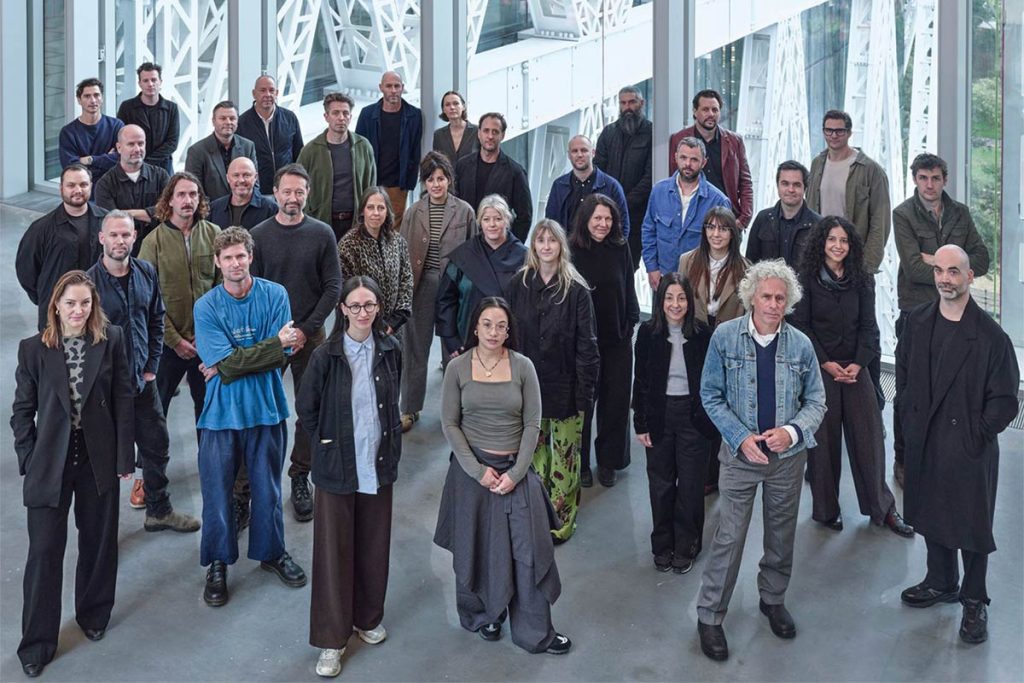
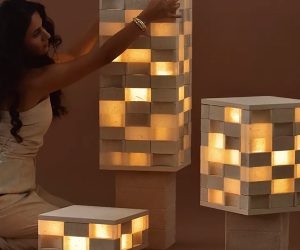
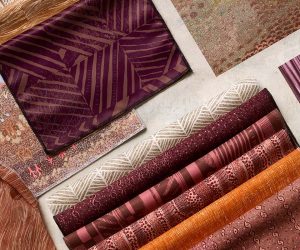
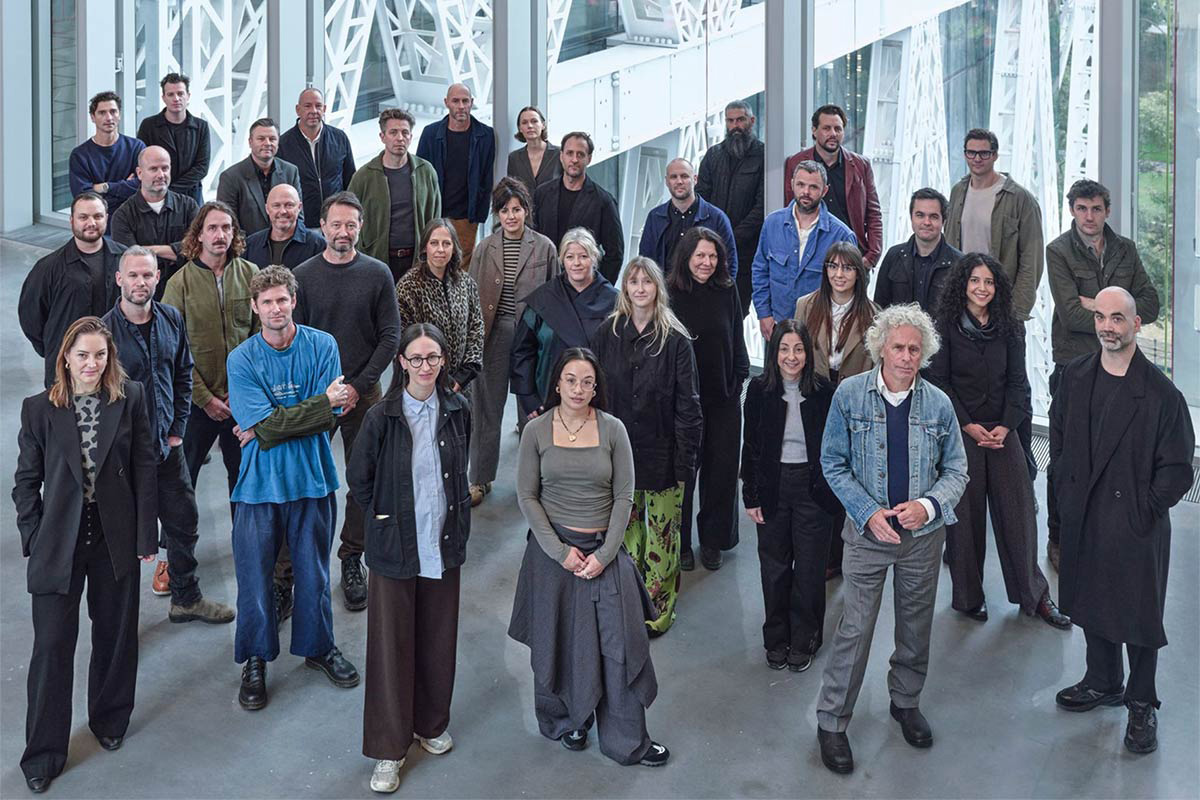
Designers: George Livissianis, Alexander Lotersztain (Derlot), Tom Fereday, Fiona Lynch, Yasmine Ghoniem (YSG Studio), Mark Tyrrell (Tyrrell Studios), Wendy Lewin, Philip Coxall (McGregor Coxall), Donn Salisbury (Electrolight), Catriona Venn (Electrolight), Ben Kluger (Studio Ongarato), Grazia Materia (Grazia & Co), Gordon Tait (Tait Enterprise), Matt Mewburn (Eveleigh Works), Gabriel Ulacco (Eveleigh Works), Nick Karlovasitis (Design By Them), Sarah Dealson (Design By Them), Jack Fearon, Henry Wilson, Adam Lynch (Dowel Jones), Tina Fox (YSG Studio), Olivia Bossy, Adam Goodrum, Maryam Moghadam, Katrina Ramm (Ka-Ra Design), Tantri Mustika, Jonathan West, Huw Bennett (Worktones), Andrew Toole (Worktones), Alice Tait (YSG Studio), Nicholas Morof (Genton), Steven Toia (Genton), Scott Burns (Maiden), Nick Burns (Maiden), Steven John Clark (denHolm) Photo Nic Walker
About Powerhouse Parramatta
Powerhouse Parramatta is a major new cultural landmark for Australia. It will become an international destination when it opens at the end of 2026 and is the largest cultural infrastructure project to be completed in Australia since the Sydney Opera House.
Awarded through an international open design competition in 2019, the museum, which sets a new international precedent that is redefining museum practice, is a collaboration between Paris-based Franco-Japanese practice Moreau Kusunoki (Lead Designer) and Australian Architect Genton (Local Architect), with Arup, L’Observatoire International, McGregor Coxall, Jun Sato Structural Engineers, and DEP. Constructed by Lendlease, the application of construction innovation continued to evolve the design.
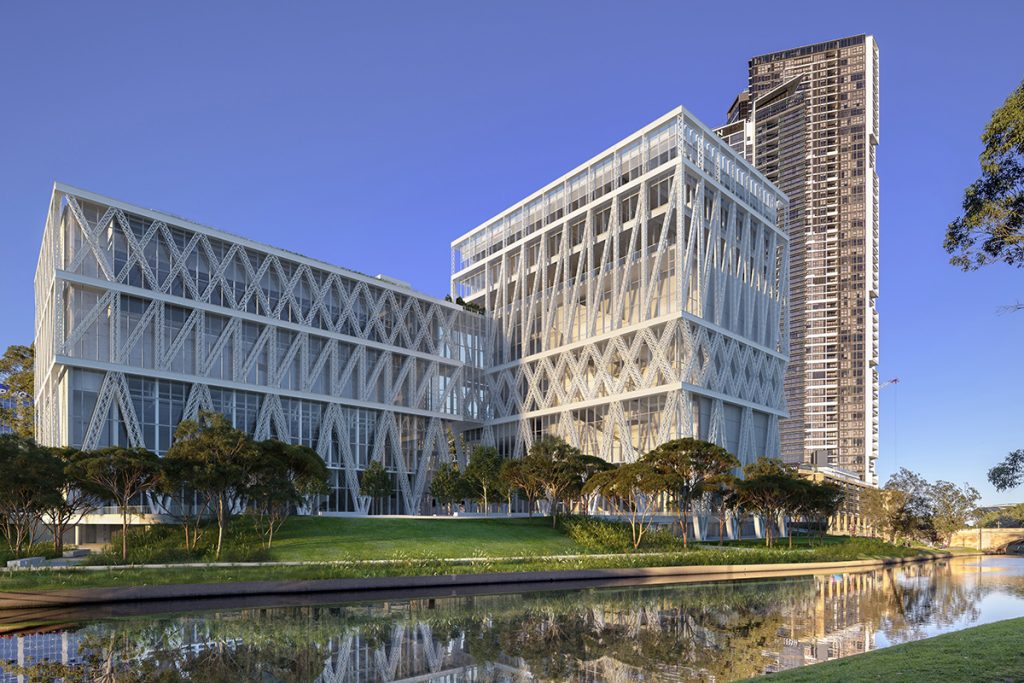
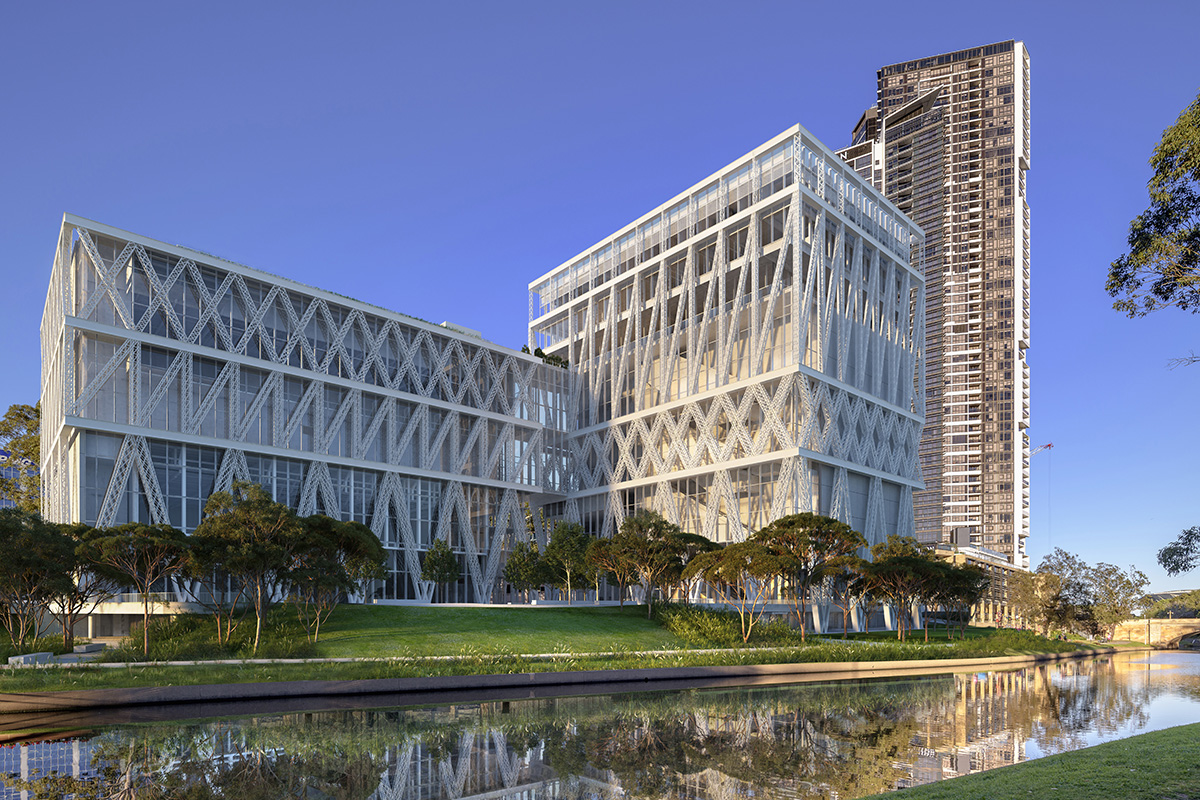
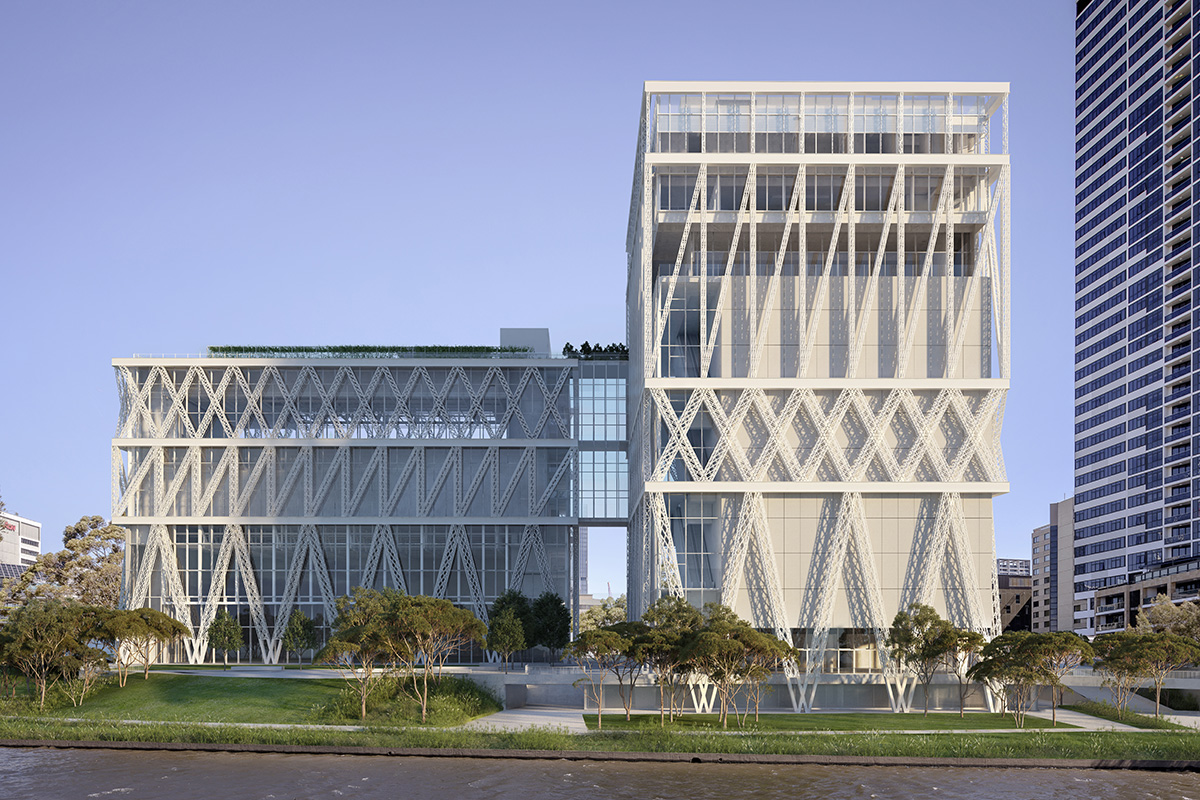
The design team have conceived a building that is at once highly connected to its location and, in response to the brief, has developed a new form of museum architecture that resonates globally. With its distinctive exterior structural frame, the exoskeleton, the building connects with the museum’s industrial heritage and the region’s manufacturing traditions and contemporary innovations. Importantly, it creates epic column-free interior exhibition spaces that deliver flexibility, ensuring that the Powerhouse remains relevant to the diverse and dynamic communities it serves.
Targeting net-zero emissions from its first day of operations, Powerhouse Parramatta is the first public building in Australia and the first project in Western Sydney to be assessed as a 6-Star Designed project under the Green Building Council of Australia’s new Green Star Buildings assessment tool. This includes water harvesting and renewable energy, zero-waste exhibition practices, to a productive landscape and Caring for Country principles developed in collaboration with First Nations communities.
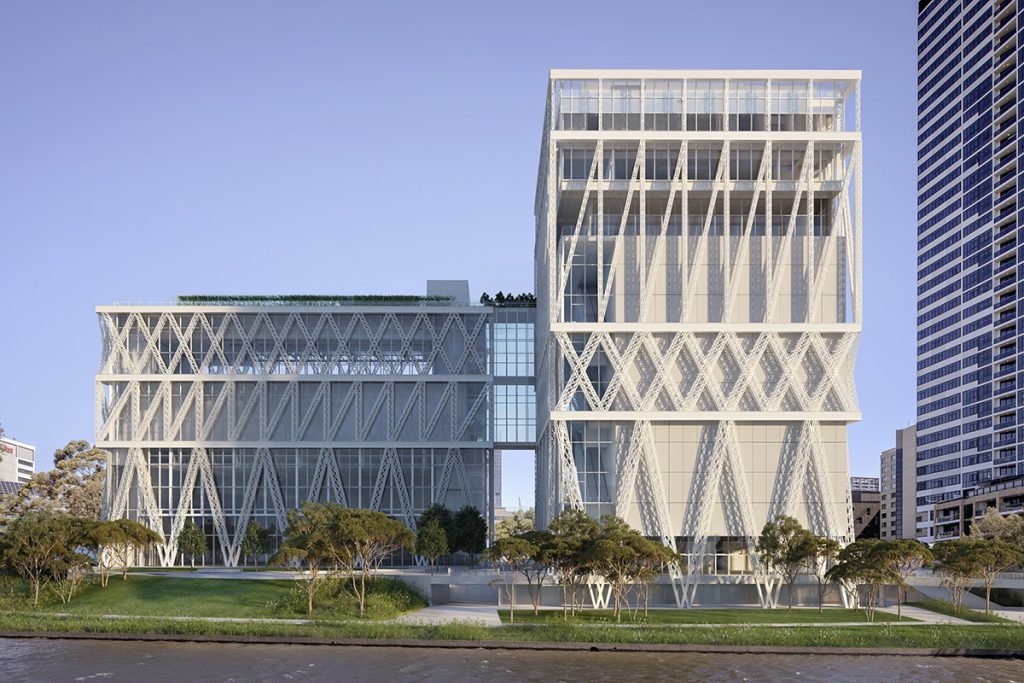
Located on the bank of the Parramatta River at the northern edge of Parramatta CBD, the building creates a gateway that reconnects city and river. Two forms aligned with the city grid and connected on their upper levels, open toward the river’s bend. They are set within a compact footprint that dedicates two thirds of the site to landscaped public space. The ground plane is porous and welcoming, with a major civic link from Parramatta Square arriving to a water feature leading to the entrance, or a stepped terrace from the river. The landscape adjacent to the Parramatta River will re-establish a forest of Eucalyptus endemic to Western Sydney’s Cumberland Plain and is designed to accommodate the natural cyclical swells of the river. The museum’s terrace has been planted with 14 Japanese Ginkgo biloba trees — a connection to one of the earliest donations to the Powerhouse Collection, Ginkgo biloba seeds gifted from the Royal Botanic Gardens, Kew, London, in 1893.
The design organises a sequence of seven large-volume exhibition spaces, alongside distinctive spaces that create a program ecology connecting community, industry and learning across 30,000 square-metres. Stacked on platforms, these spaces enable diverse modes of exhibiting and programming. A feature is the Lang Walker Family Academy, 60 bed accommodation for students to stay at the Powerhouse to undertake immersive STEM programs and the Vitocco Family Kitchen a 200-seat production kitchen that connects audiences with the future science and cultural histories of food.
Generous, light-filled circulation spaces with views over the river extend the length of the buildings, becoming an extension of the urban public realm that links street to rooftop terrace. These interstitial spaces are informed by the Japanese concept of “Mâ” – the interval between things, people, and time – shaping moments of pause that foster reflection and informal connection.
The scale of the exhibition and connecting production spaces allow the museum to present its collections and exhibitions in new ways. Each exhibition space has been specially designed to support diverse programming, enabling the museum to evolve and adapt to contemporary museum practice for decades to come. These include Exhibition Space 1, the largest column-free exhibition space in Australia. The 18-metre-high, over 2,000 sqm floor space features a mechanical hoisting door in five sections, allowing it to open to the public riverside terrace. Other exhibition spaces are designed as concrete-encased black boxes with acoustic isolation and high climate controls, capable of housing sensitive objects and immersive digital works.
Alongside the exhibition spaces, there are 30 residential studios that will support international researchers, scientists and creatives to collaborate with the Powerhouse to deliver programs. The Powerhouse co-working space features a research library, digital studios alongside collaboration spaces. The rooftop terrace with 360-degree views across Parramatta to Sydney features a productive garden with Indigenous plant species and a greenhouse, alongside an observatory with telescopes beneath a retractable roof. The ING Garden Pavilion will host talks, workshops alongside community and industry programs.
The building’s structure sits on the outside, wrapping and expressing the museum’s constituent elements while serving as its façade, referencing iconic structures such as the Sydney Harbour Bridge and the Eiffel Tower, and amplifying the region’s manufacturing and fabrication traditions. Made from more than 1,300 individual pieces, the lattice exoskeleton is carefully engineered for structural efficiency and visual refinement. It offers transparency, filtering natural light while establishing a visual connection between the museum and the City. The exoskeleton lattice has been designed in relation to three scales – from human scale, to building, to infrastructure – assembled in a composition that reflects the dynamic energy of the building in use. Through its fine, efficient three-layered lattice, the building is at once intimate and iconic. At night, its back-lit exoskeleton becomes a lantern in the city.
This structural legibility is echoed in the use of materials in their elemental state, with detailing that expresses their simplicity and beauty. Minimalist and neutral at a distance, up close, the surfaces reveal patina and texture. The white steel of the exoskeleton and glass facades are complemented by GRC panels with quartz aggregate, waterglass finish concrete floors and hand-applied oystershell render.
Powerhouse Parramatta has been crafted through the many thousands of hands of the Lendlease teams that created it. The restricted palate of concrete, steel and glass, creates a calm experience that enable the innovative programming of the Powerhouse to come to the fore.
For more information visit Powerhouse Parramatta
More green updates