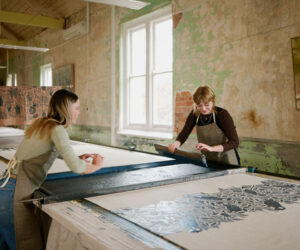
Wasted Waste
IMG LINK
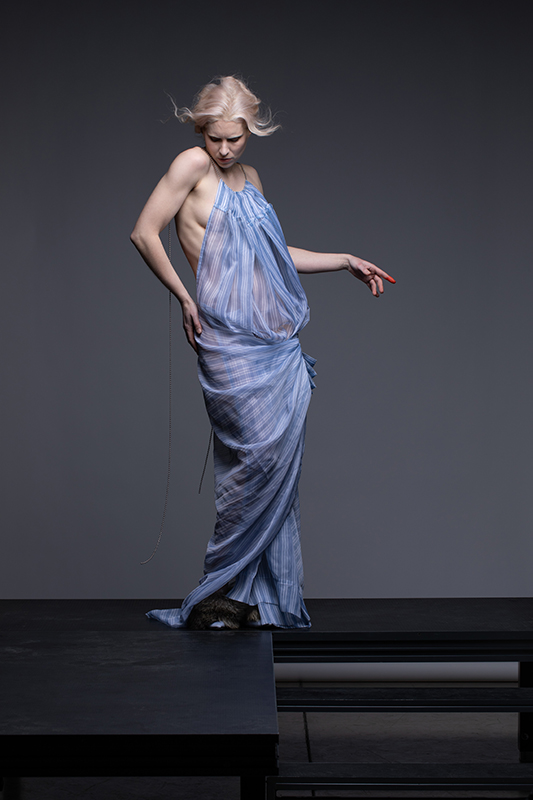
UPRUM exhibition WASTED WASTE artist Alica Grebacova UMPRUM. photo Hana Kubrichtova & David Stejskal
IMG LINK
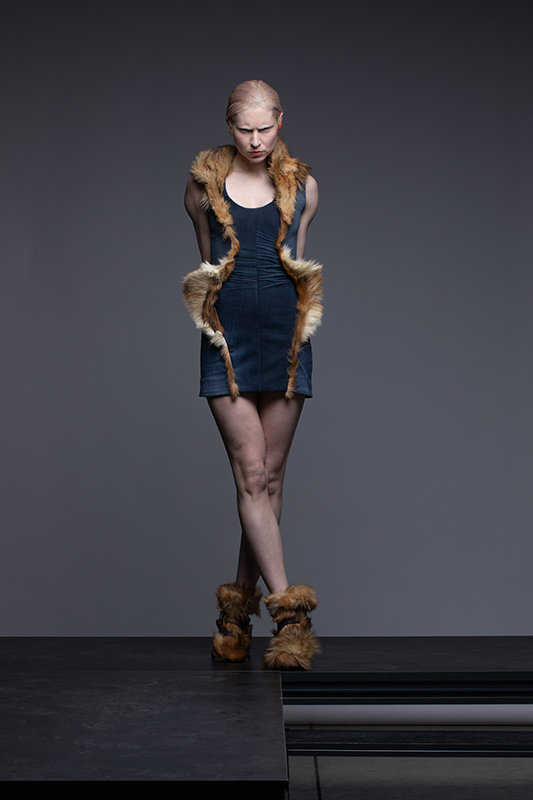
UMPRUM exhibition WASTED WASTE artist Katerina Puchmertlova. photo Hana Kubrichtova & David Stejskal
IMG LINK
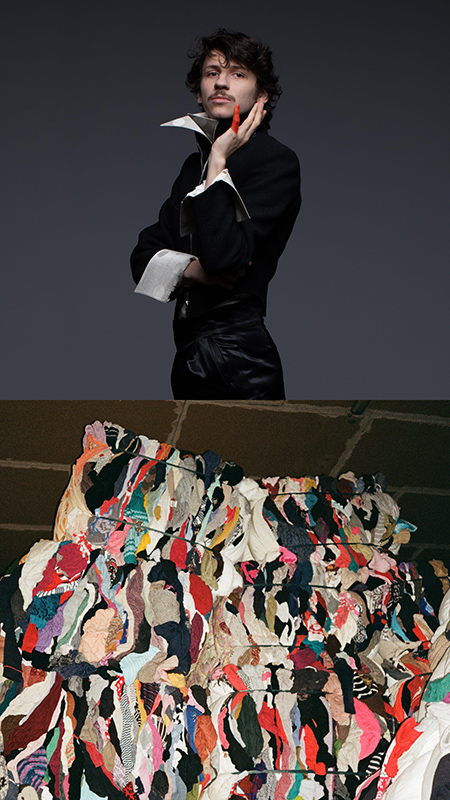
UMPRUM exhibition WASTED WASTE artist Krystof Baca. photo Hana Kubrichtova & David Stejskal
IMG LINK
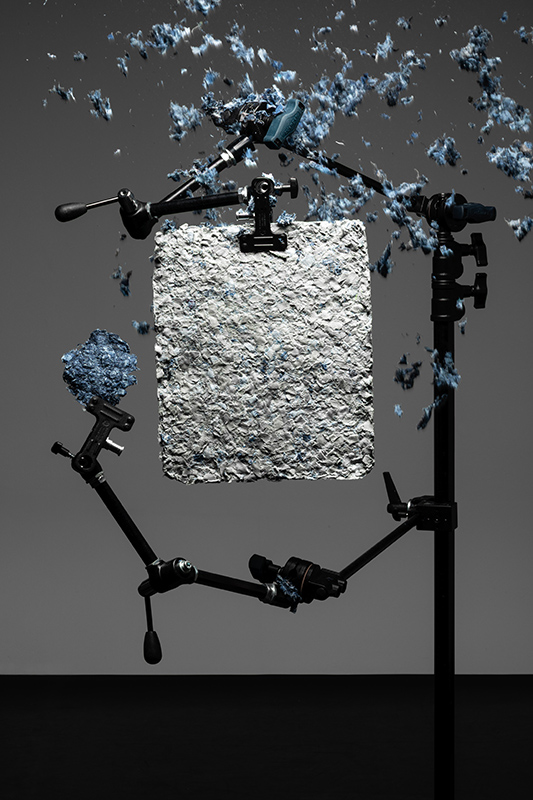
UMPRUM exhibition WASTED WASTE artist Laura Beretova. photo Hana Kubrichtova & David Stejskal
IMG LINK
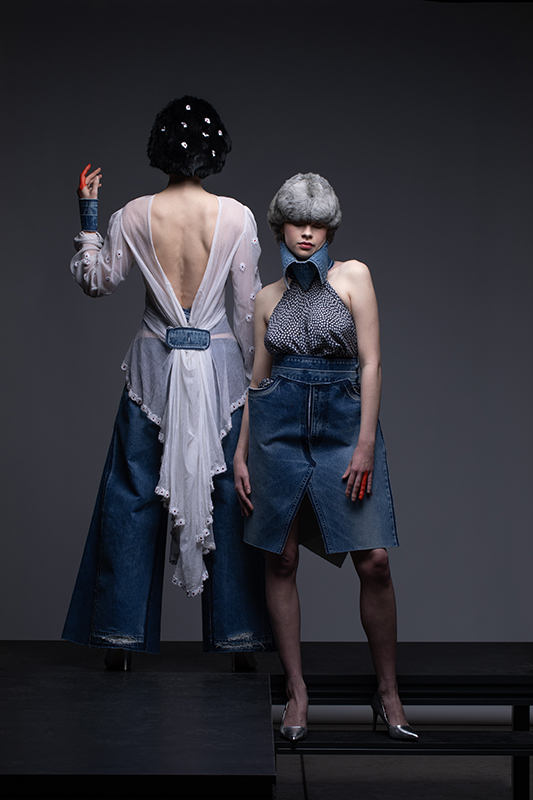
UMPRUM exhibition WASTED WASTE artist Vojtech Smrz. photo Hana Kubrichtova & David Stejskal
20–26 April 2026
Milano Design Week 2026, Alcova, Baggio Military Hospital, LAVANDERIA – L5, Milan, Italy.
The contemporary world is drowning in textile waste, and the pace of mass production is unsustainable. What happens to the places we live in when we produce more than we can consume?
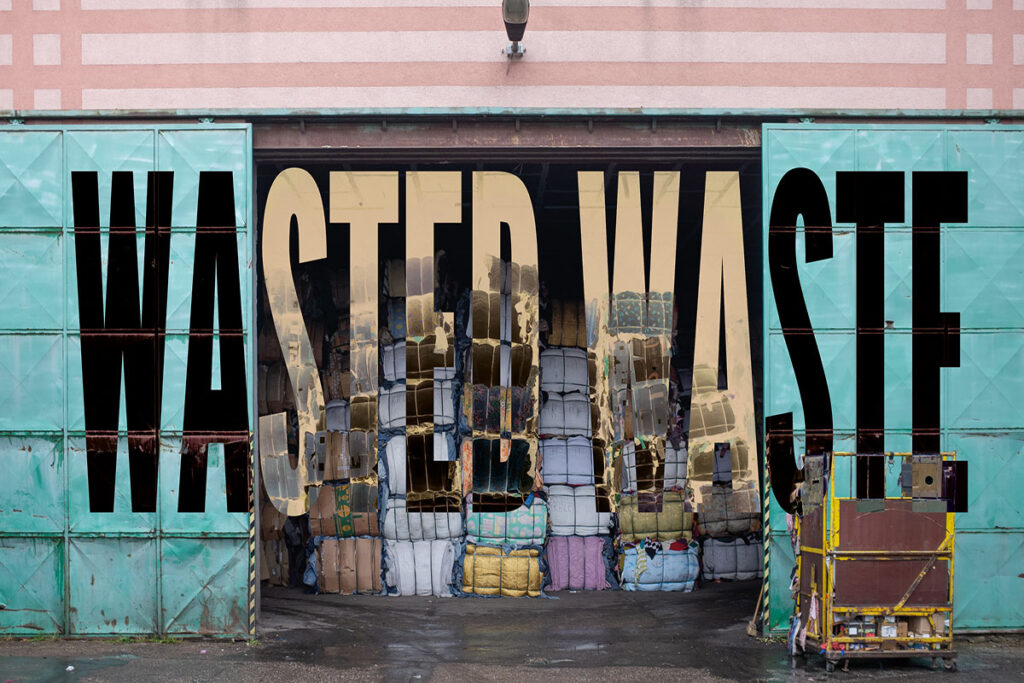
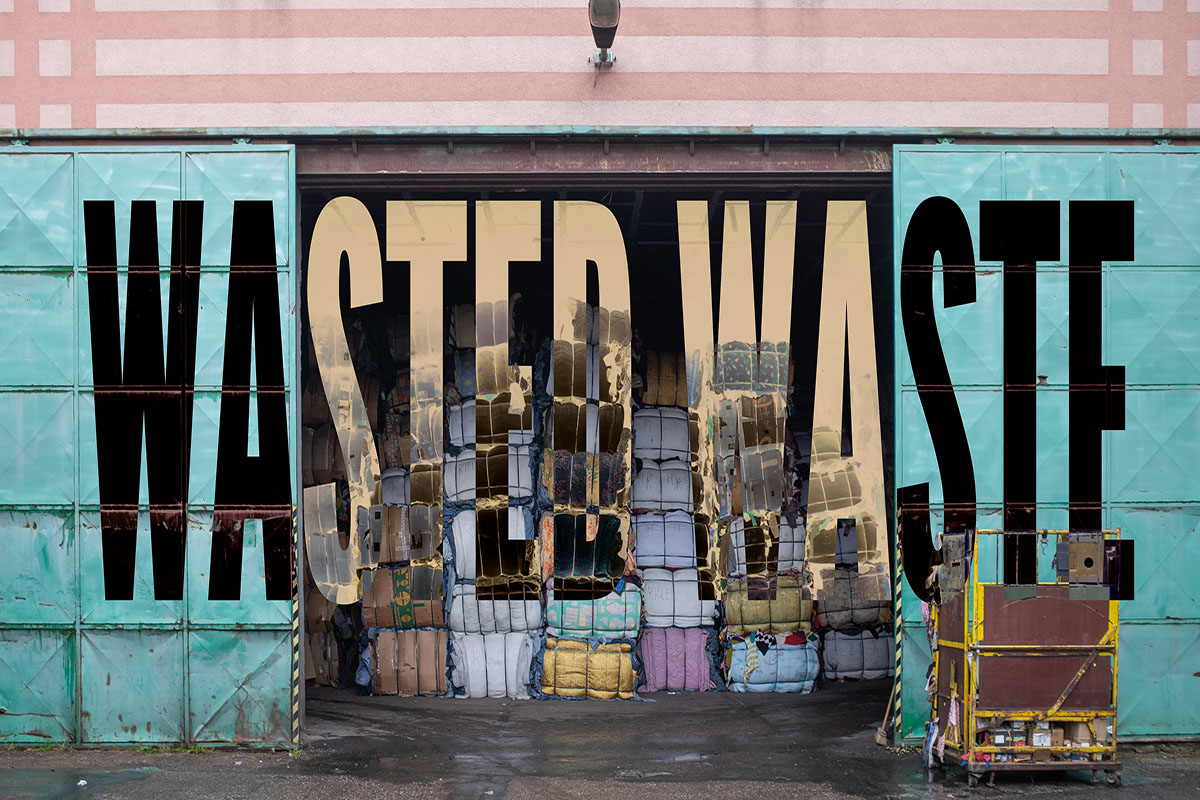
Wasted Waste, an interdisciplinary installation by students of the Academy of Arts, Architecture, and Design in Prague (UMPRUM), addresses this question at this year’s Milano Design Week, as part of the Alcova platform. Through a performative exhibition, the artists draw visitors directly into the narrative, conveying the inescapable atmosphere of repetitive labor in one of the Czech Republic’s largest textile sorting facilities. It is here—amid the untouched landscape of the Broumov region—that the consequences of global consumption quietly accumulate.
The Wasted Waste project gives a voice to what is often overlooked. Since 2024, a group of students has been conducting artistic research in the region that is unparalleled in the local context. The aim is to identify viable ways of high-quality textile waste recycling—while acknowledging that, as a society, we are still largely feeling our way forward in this area. As Michal Froněk, head of the Studio of Product Design, explains: “Recycling at any cost is a road to hell.” UMPRUM therefore begins with itself, seeking to connect with a local social enterprise and to develop ways of transforming waste into lasting value.
The social cooperative Diakonie Broumov is located in the Sudetenland—a border region of the Czech Republic that was a textile powerhouse before the Second World War. Paradoxically, this once-thriving production has been replaced by vast halls for sorting unwanted clothing and textiles. It is here that the cooperative plays a vital role for many people on the margins of society, offering employment and a chance at a more stable life.
The exhibition presented at Milano Design Week transcends disciplinary boundaries and reflects the diverse perspectives of the participating studios. It does not claim to offer an immediate global solution to the crisis; rather, it seeks a locally grounded approach that can help communities identify possible ways to mitigate its impact. Students from the Studio of Product Design approach textiles as a raw material, transforming waste into entirely new materials and functional objects through innovative technological processes. The Studio of Fashion and Footwear Design elevates discarded garments to the level of upcycled high fashion. These resulting works are set against raw audiovisual material from the Studio of Fine Art IV, capturing the stark contrast between the region’s unspoiled natural landscape and the harsh environment of an industrial sorting facility.
A functioning conveyor belt—serving as the central element of the Wasted Waste installation—relentlessly carries piles of clothing. The painstaking, almost ant-like efforts of the exhibition’s creators, who continuously operate the belt as part of a performative act, evoke the immense labor that awaits humanity if it is to save the planet.
This year’s installation by UMPRUM students is situated in the former Baggio military hospital, building on the school’s previous successes at Milano Design Week. In the Czech Republic, the installation will be presented at Designblok in the autumn.
Exhibiting artists and designers: Kryštof Bača, Matyáš Bálek, Šimon Bečvář, Laura Beretová, Olivia Dorušková, Anna Dunděrová, Alica Grebáčová, Markéta Hájková, Miloslav Chytil, Jiří Královec, Hana Kubrichtová, Natálie Krišťáková, Julie Petrůjová, Kateřina Puchmertlová, Vojtěch Smrž, David Stejskal, Filip Jurný Vojta, Šárka Zejdová
Exhibition architecture: Miloslav Chytil, Jáchym Kubů, Mikuláš Procházka, Šimon Bečvář, Natálie Křišťáková
Graphic design: Jan Stuchlík
Photos: Julie Petrůjová, David Stejskal, Jiří Královec, Hana Kubrichtová
Production: Michaela Kaplánková
We wish to acknowledge the realisation team: Zuzana Jirsová, Miroslava Slabá, Michaela Malinová, Anežka Svobodová, Rostislav Doleček, Michal Malášek
For more information visit Umprum.cz
More green updates