
The Enduring Appeal of Australian Timber
Australian-made timber is appreciated by designers and builders due to its strength and durability and inherent natural beauty. By choosing locally sourced timber from Big River Group, the assurance comes with knowing exactly where – and how the material has been sourced and processed.
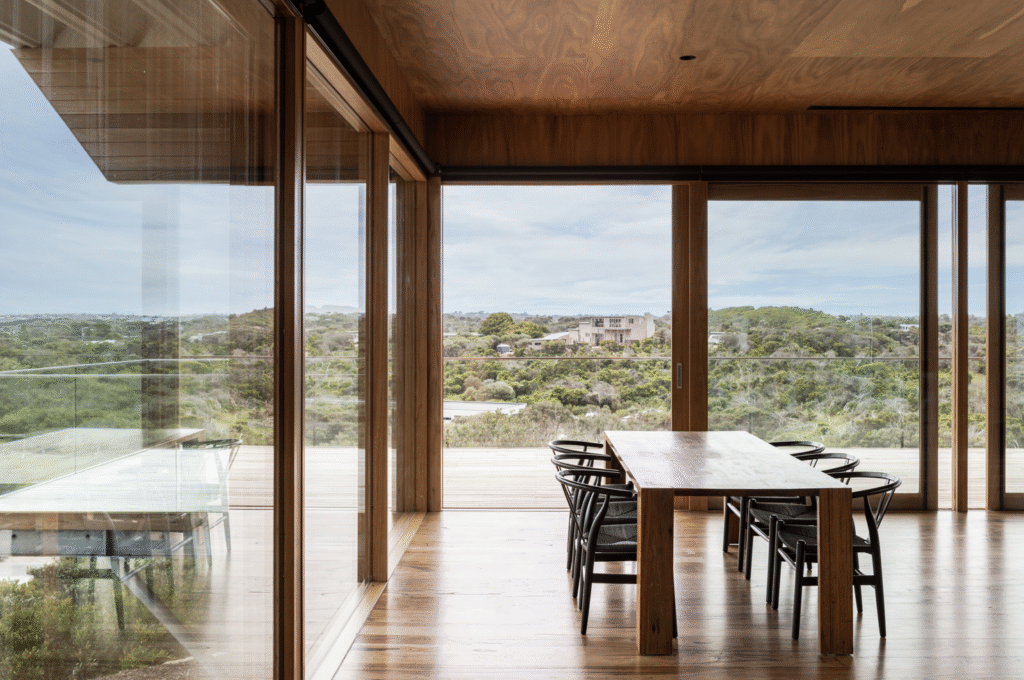
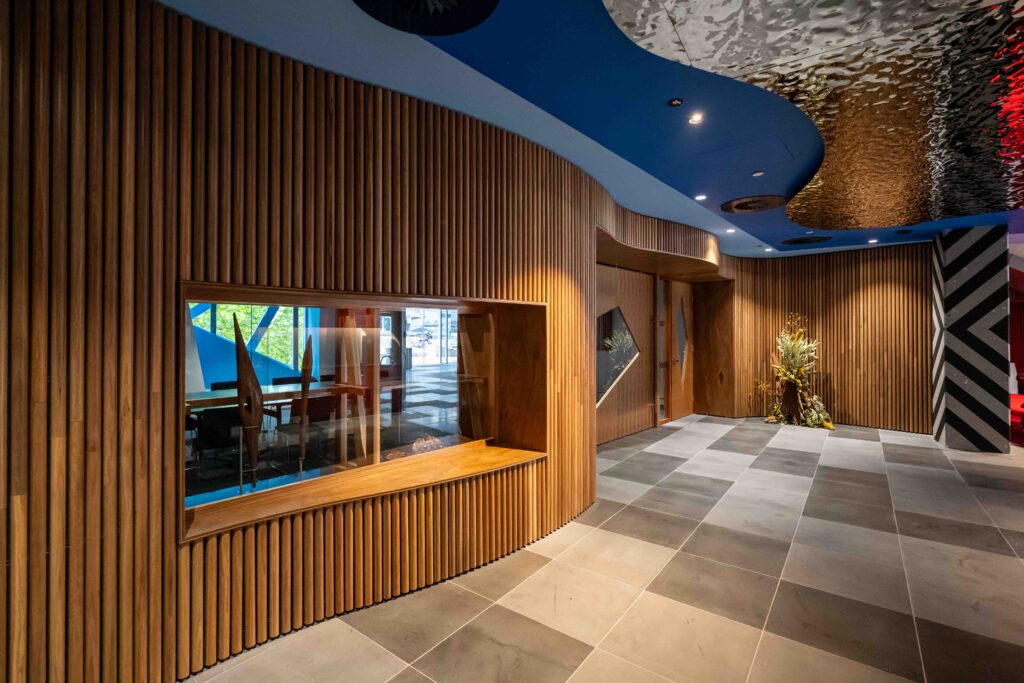
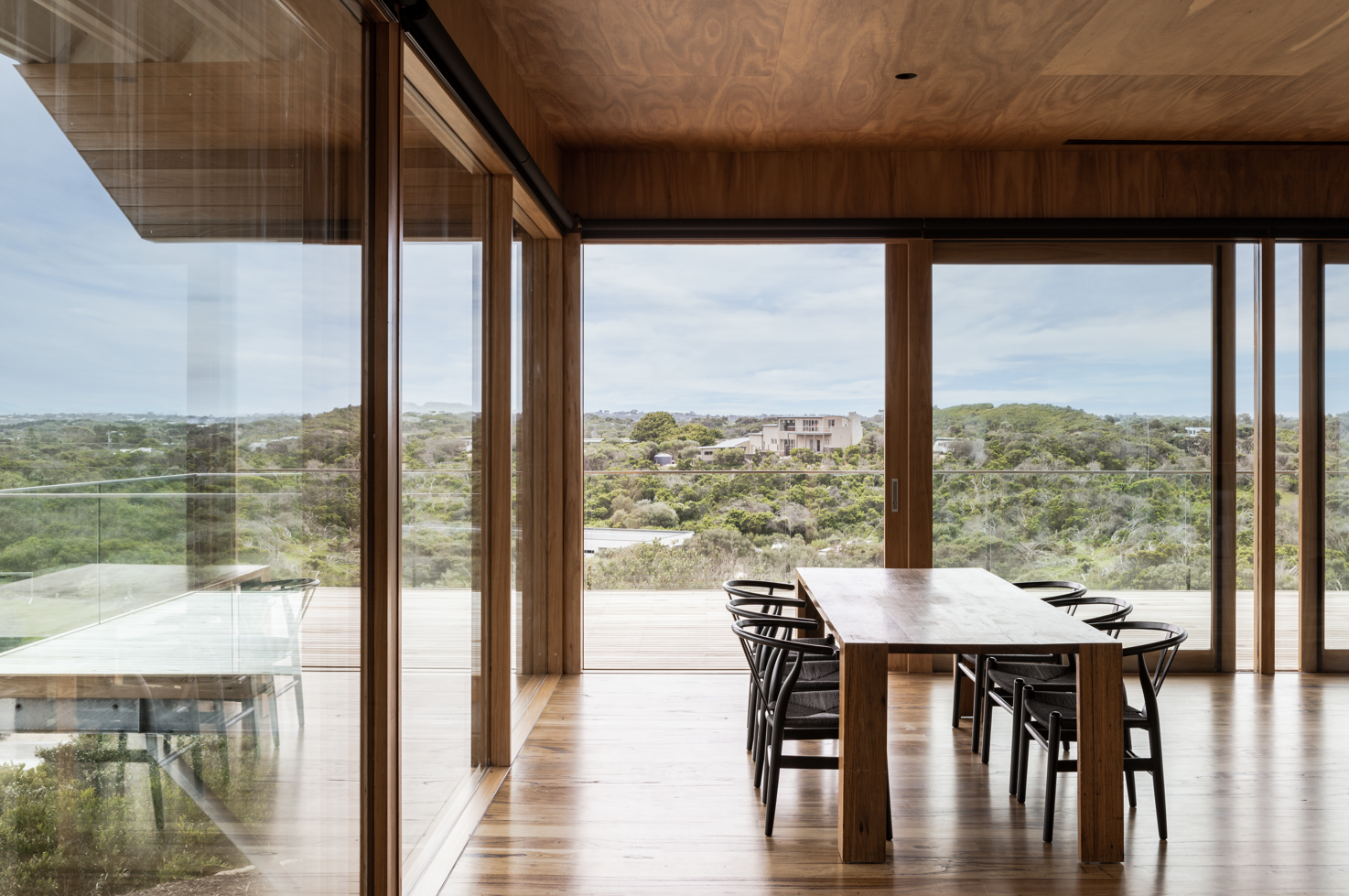
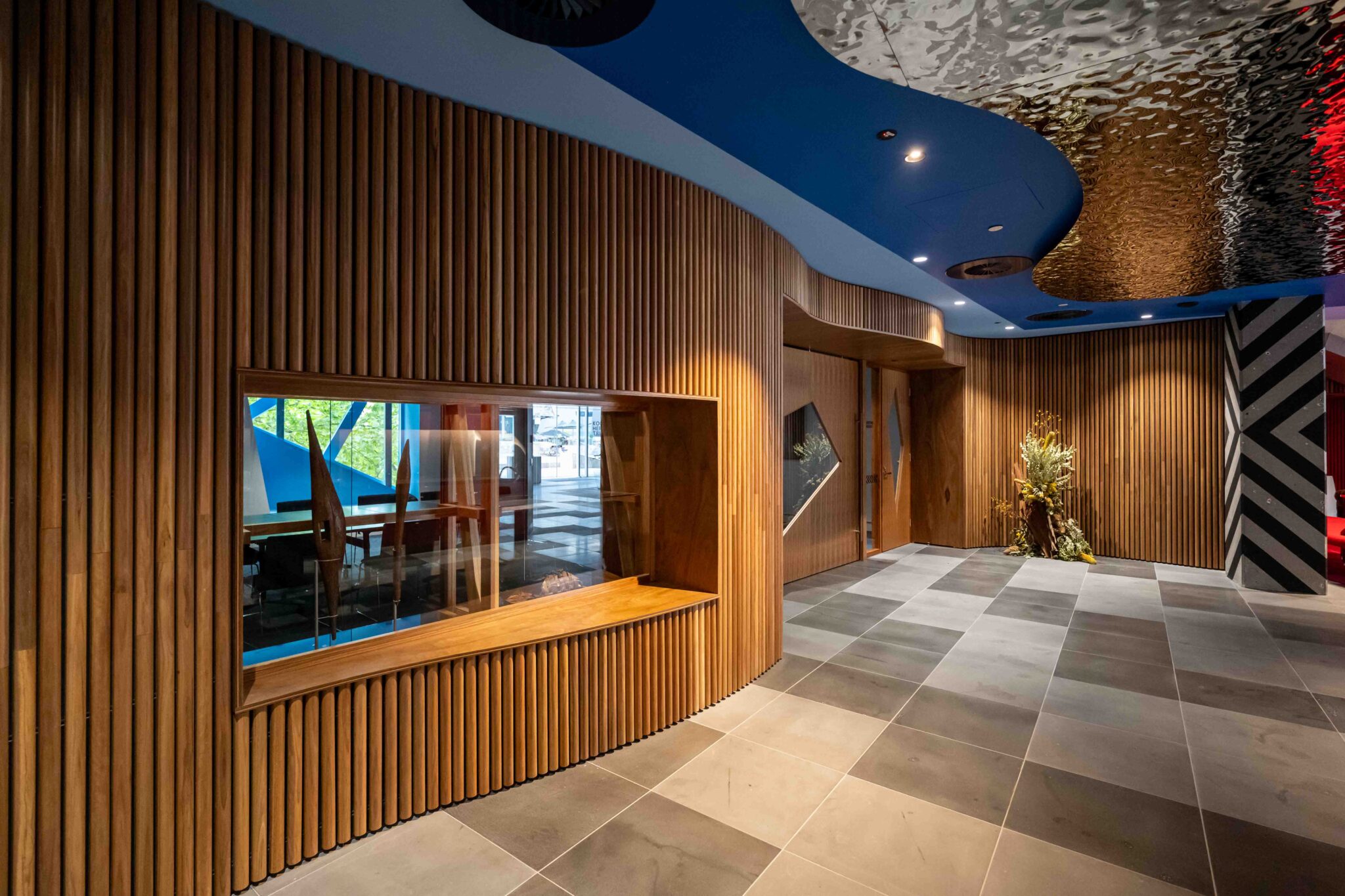
Timber is inherently organic. It brings a living, breathing element into the built environment, subtle grain variations, natural warmth, and a tactile quality that can’t always be replicated by man-made alternatives. Whether used in structural framing, cladding, flooring, or cabinetry, Australian timber connects a space to nature. For residential builds, it adds texture and personality to interiors, softens the lines of contemporary architecture, and creates welcoming outdoor environments that age beautifully over time. For commercial projects, it offers a sensory counterbalance hard materials such as steel, concrete, and glass, helping to humanise large spaces and create a sense of calm and connection.
Australian timber species like Blackbutt, Spotted Gum and Hoop Pine are prized not only for their aesthetic qualities but for their strength, density and suitability to the local climate. “There is no doubt Australian Eucalypts have a good name for density and for capability and performance.” says Stuart McGonagle, Sales & Marketing Manager at Big River Group. These timbers have evolved to thrive in Australia’s tough and varied conditions and when processed locally, that natural durability is carefully preserved through responsible milling and manufacturing. Builders and designers know what to expect from Australian timber: consistent quality, structural reliability, and minimal waste.
Decorative plywood and veneer panels are manufactured from Big River Group’s Grafton mill using a rotary peeling process. “The amount of yield we get is extremely efficient.” Stuart notes. Product which does not meet specification is used as structural backing for decorative products. McGonagle highlights other end uses, “Lower grade veneers are supplied to a business that sustainably presses shorter runs into beams or panels.”
And to further minimize wastage, downgraded and short lengths are used as a biofuel for the heat source required in heating the logs during processing.
“One of the reasons Australian timber continues to be such a trusted choice is because the industry here holds itself to incredibly high standards,” says McGonagle. “From sustainable sourcing to precision processing, we offer a material that not only looks good but performs in real-world conditions on every kind of project.”
Australian-grown and manufactured timber gives architects and builders that traceability. It’s grown sustainably, processed under strict quality controls, and supported by a supply chain that understands the expectations of local projects. That transparency builds trust and confidence.
In both residential and commercial sectors, sustainability is becoming less of a nice-to-have and more of a non-negotiable. Timber is one of the few renewable construction materials, and when sourced responsibly, it offers a significantly lower carbon footprint compared to imported or man-made alternatives.
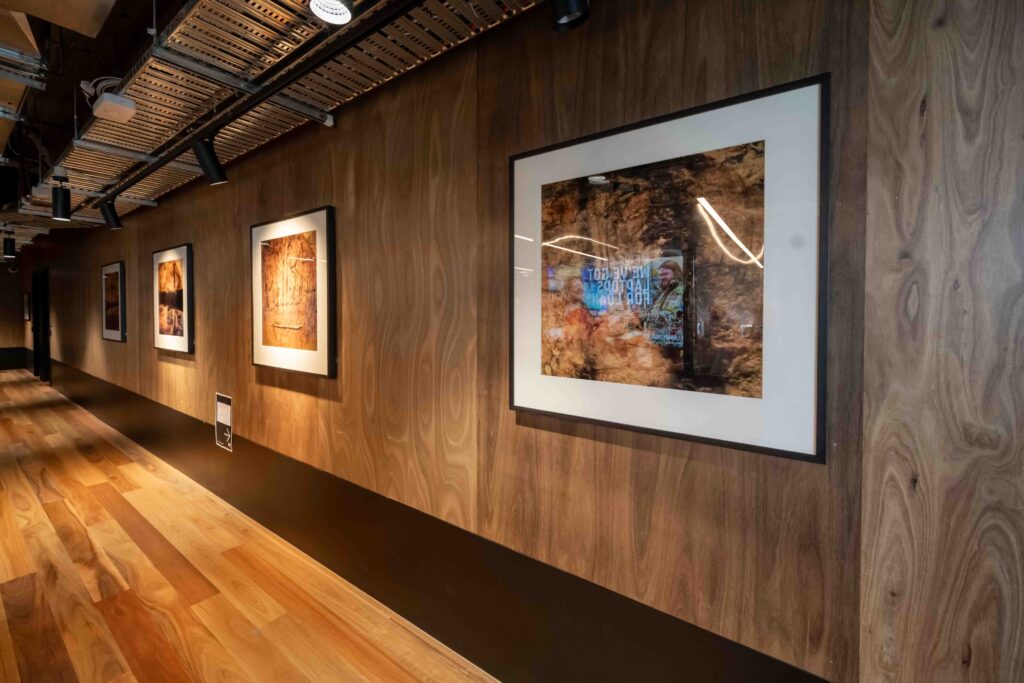
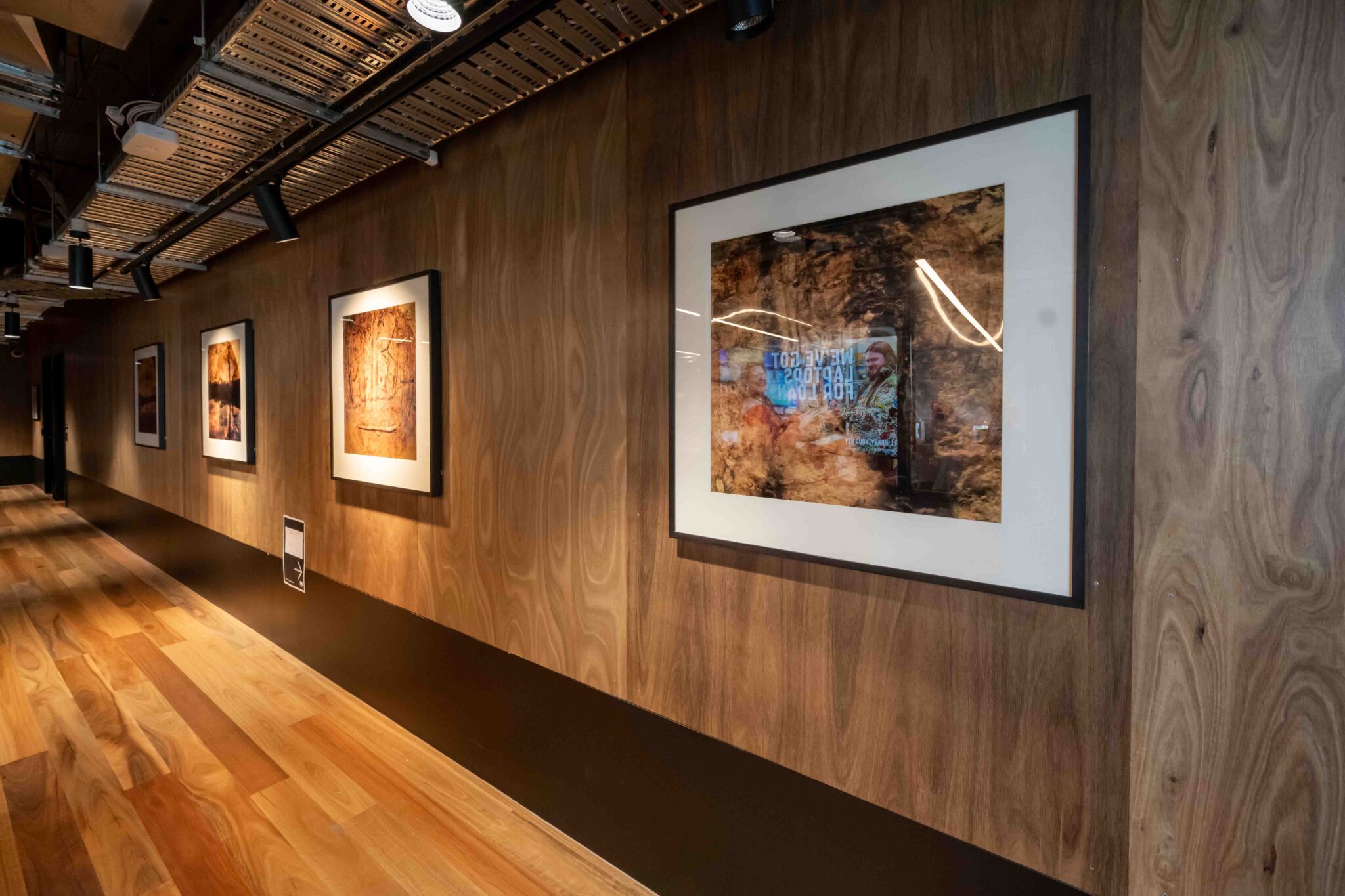
What’s also clear is that Australian-made timber isn’t limited to one style or one type of build. It’s as effective in an inner city home as it is in a commercial or public space designed for community connection. “It’s always rewarding to see how local timber can bring such different types of spaces to life, whether it’s a public space like a library, a gallery or a private residential home,” says McGonagle. “That’s the beauty of Australian timber, its ability to connect people to place, while delivering on both performance and design intent.”
In the end, it’s not just about what timber looks like, it’s about how it feels to live with, how it performs over time, and what it represents. Australian-made timber brings with it the story of the landscape, the integrity of local craftsmanship, and a quiet kind of strength that underpins great design and great building.
For more information visit Big River Group.
More green updates