Corridor of Snacks – Melbourne Community Initiative
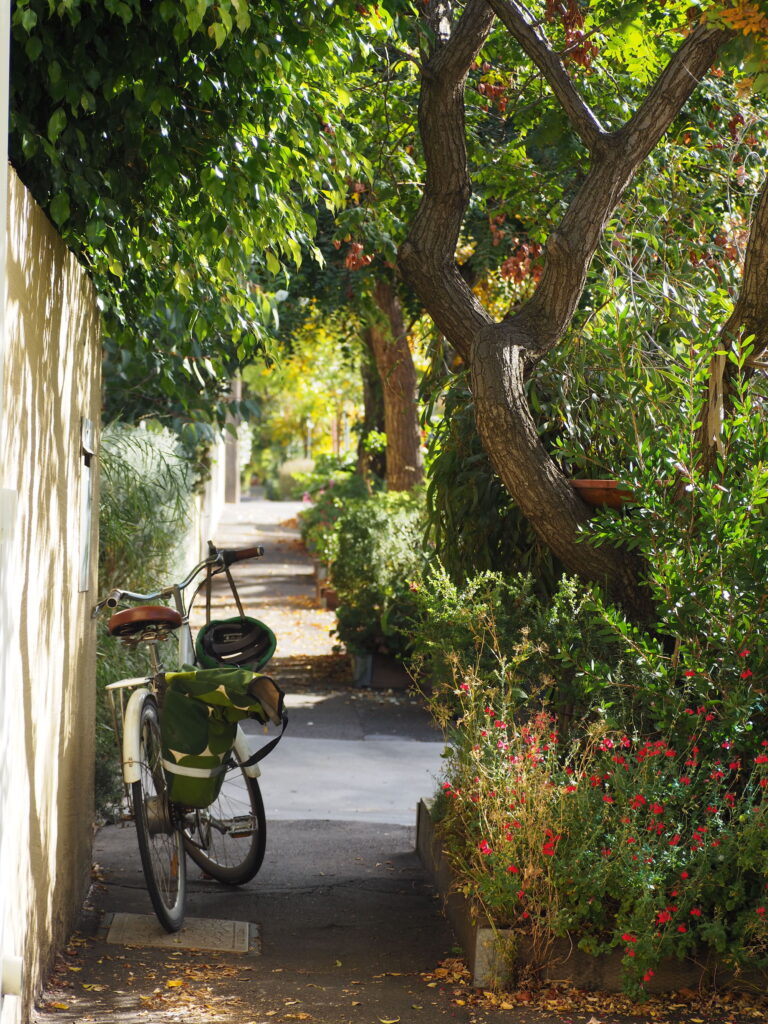
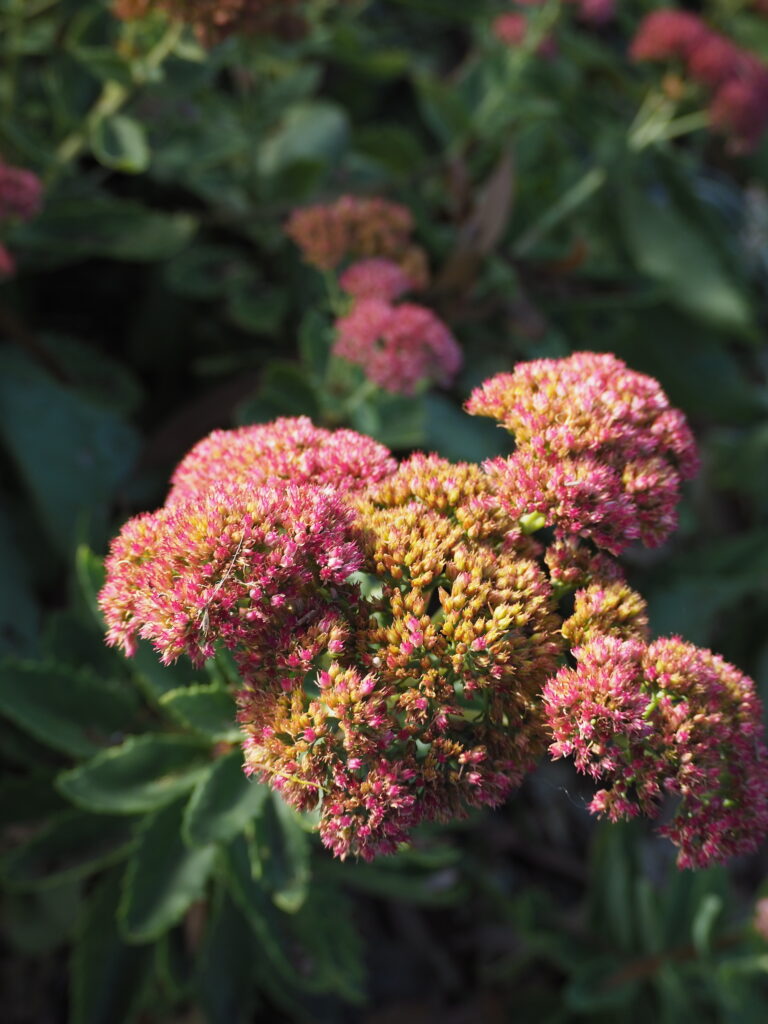
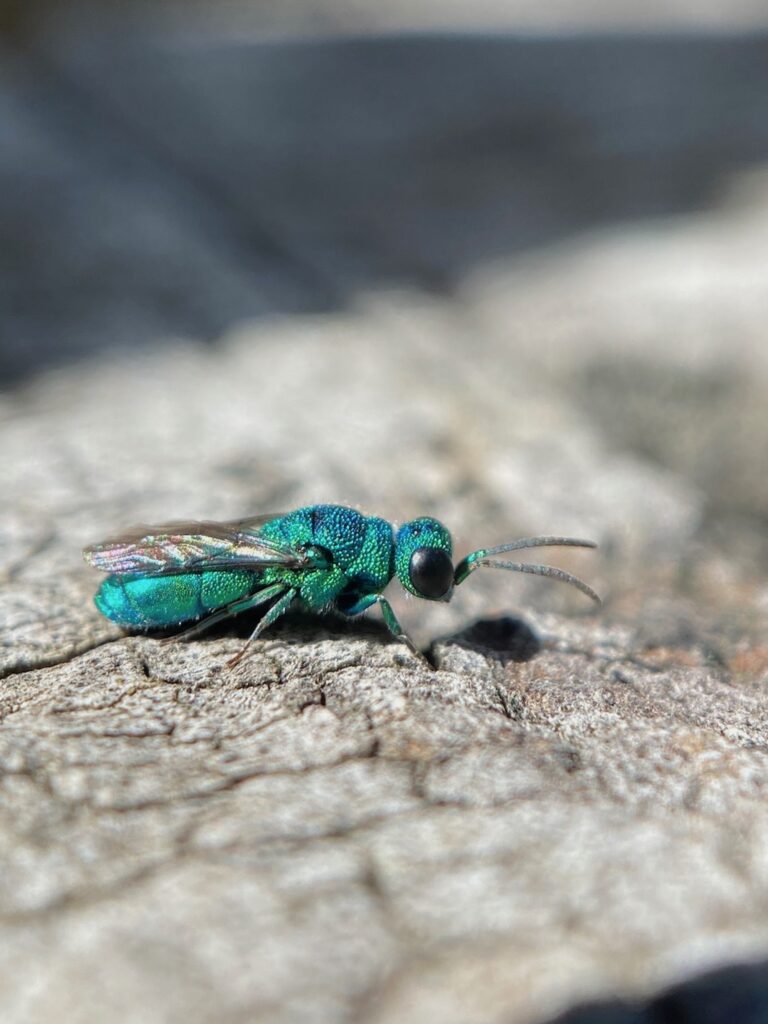
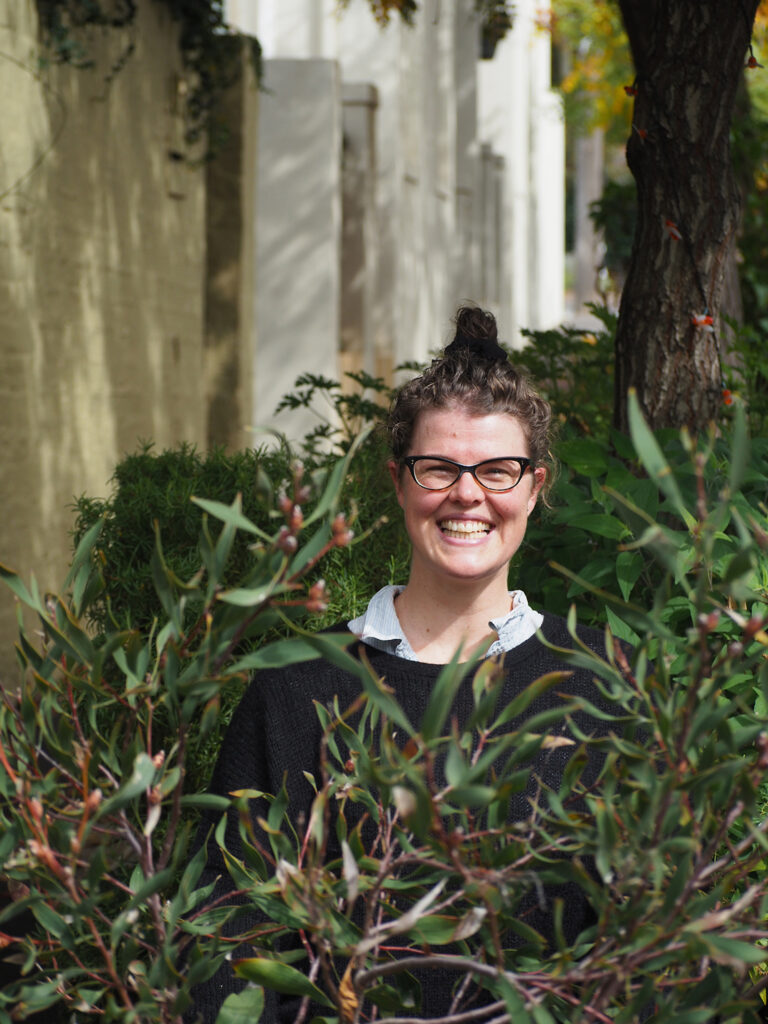
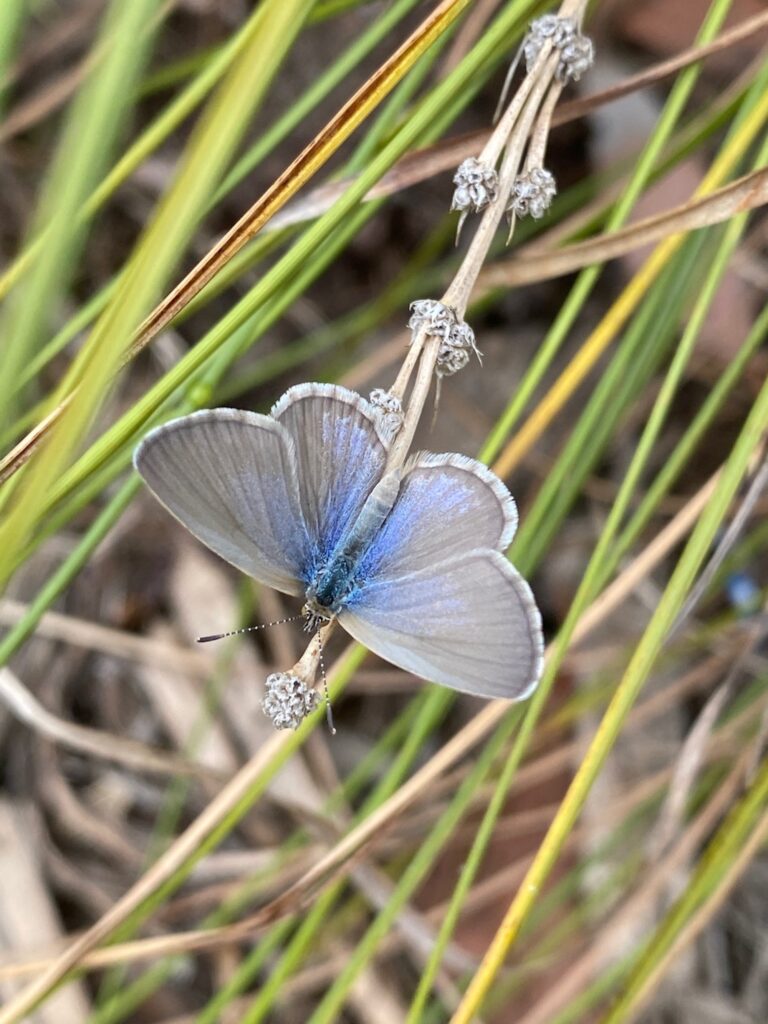
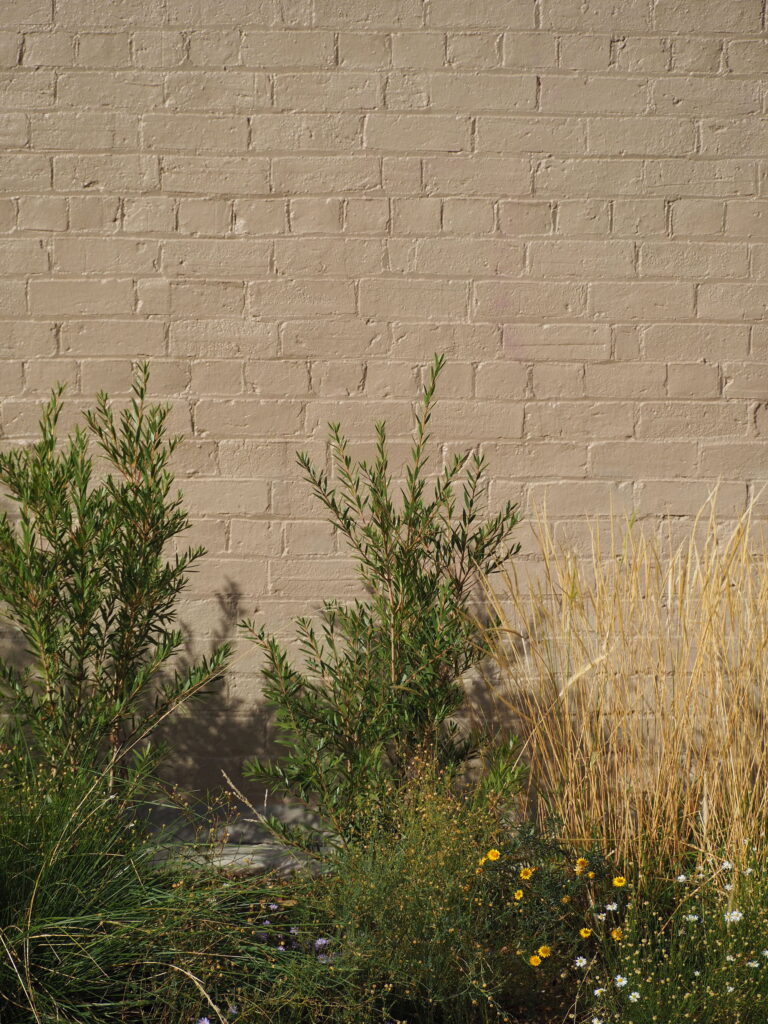
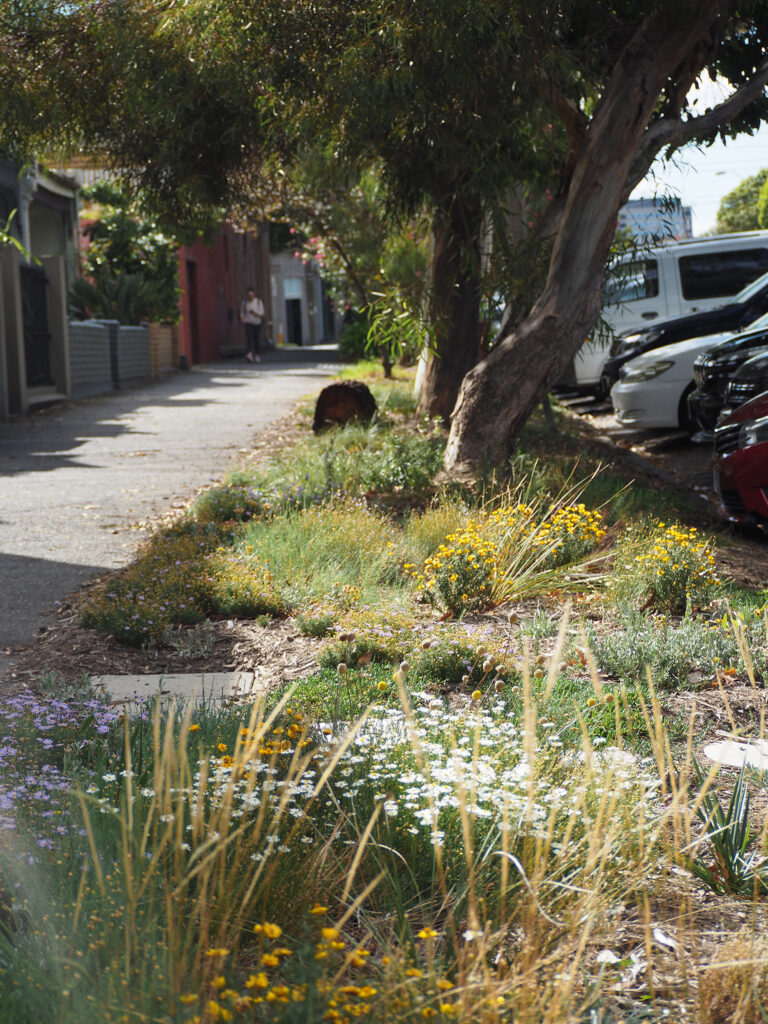
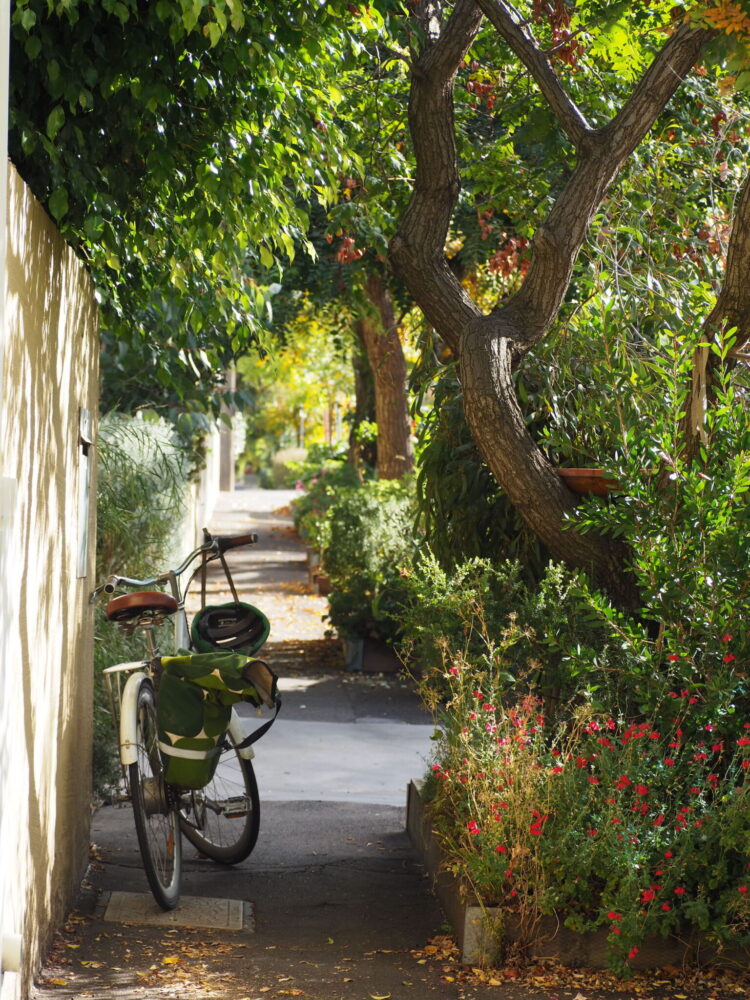
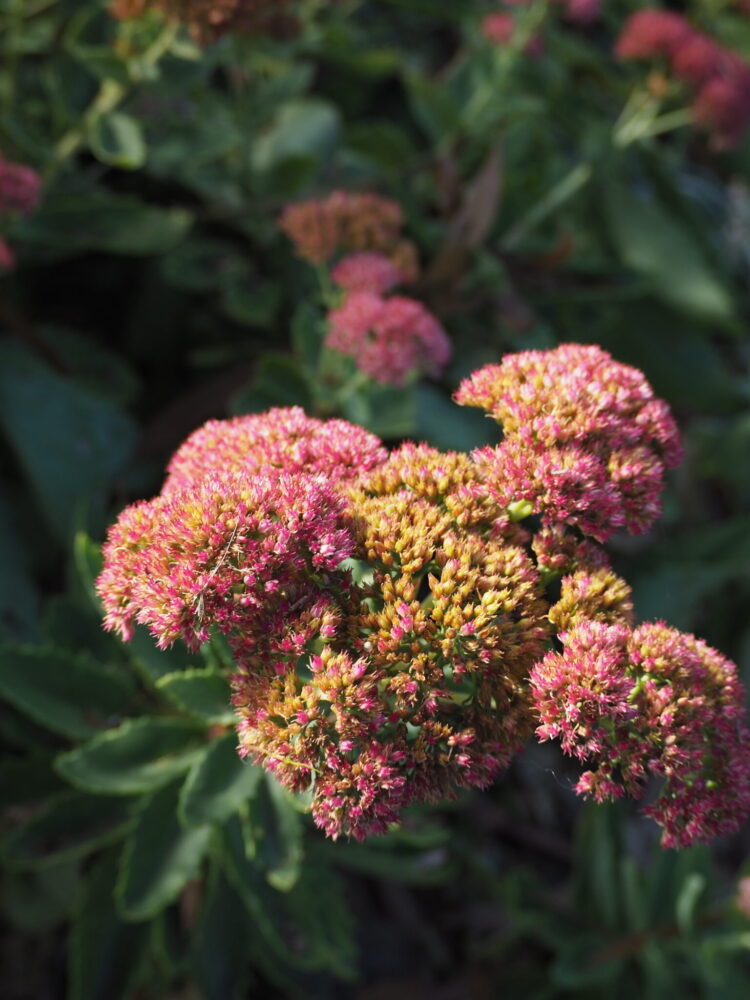
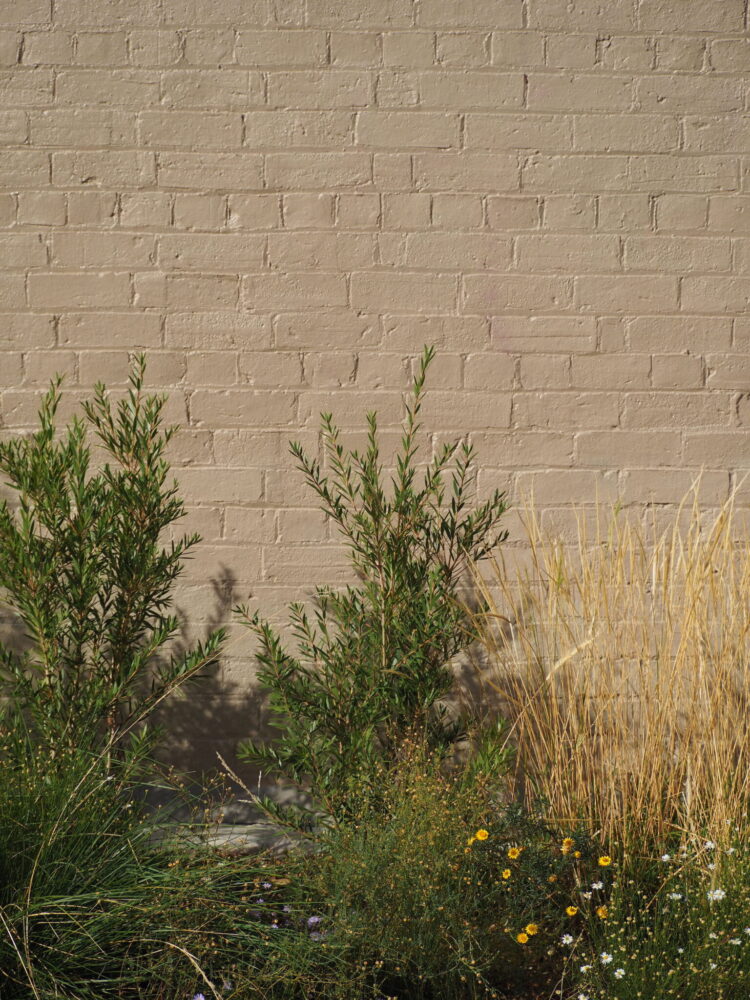
Friendly planting and descriptive signs offer gentle teachings to all passers-by about the importance of bees in keeping plants flowering and veggies growing in our neighbourhoods.
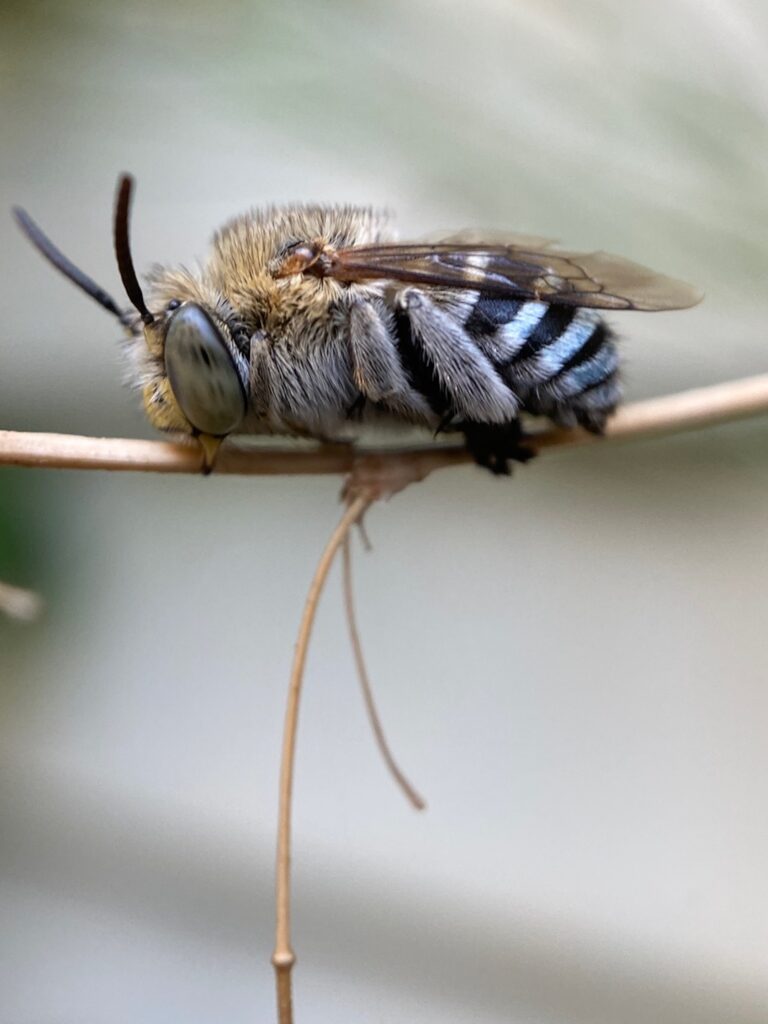
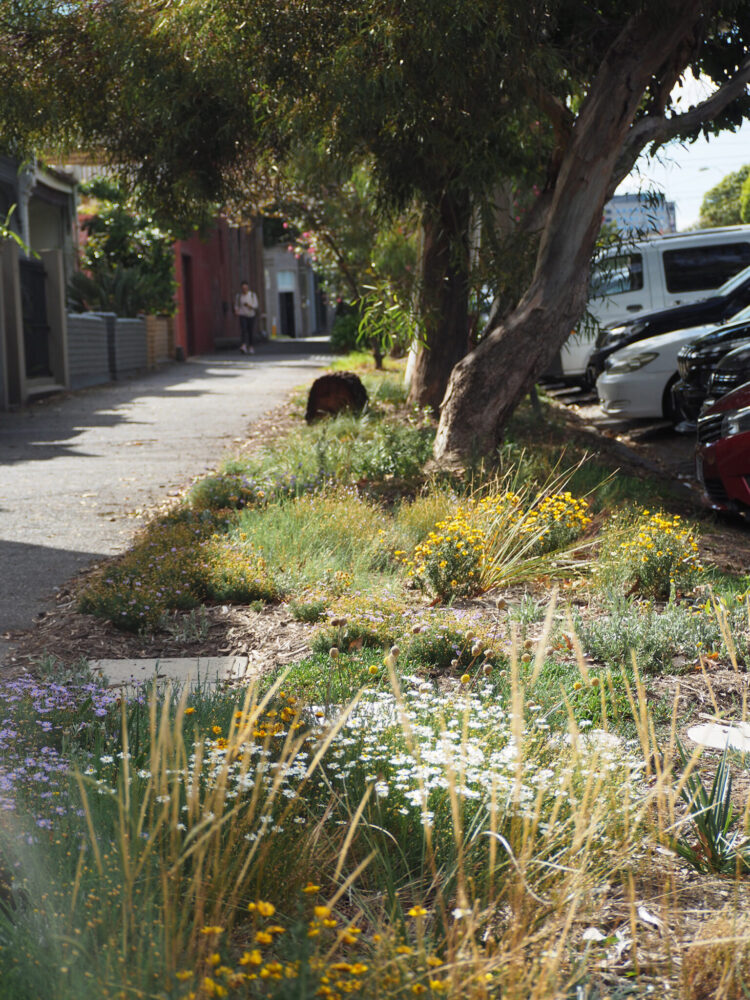
A community initiative in Melbourne is transforming nature strips into biodiverse street gardens for bees.
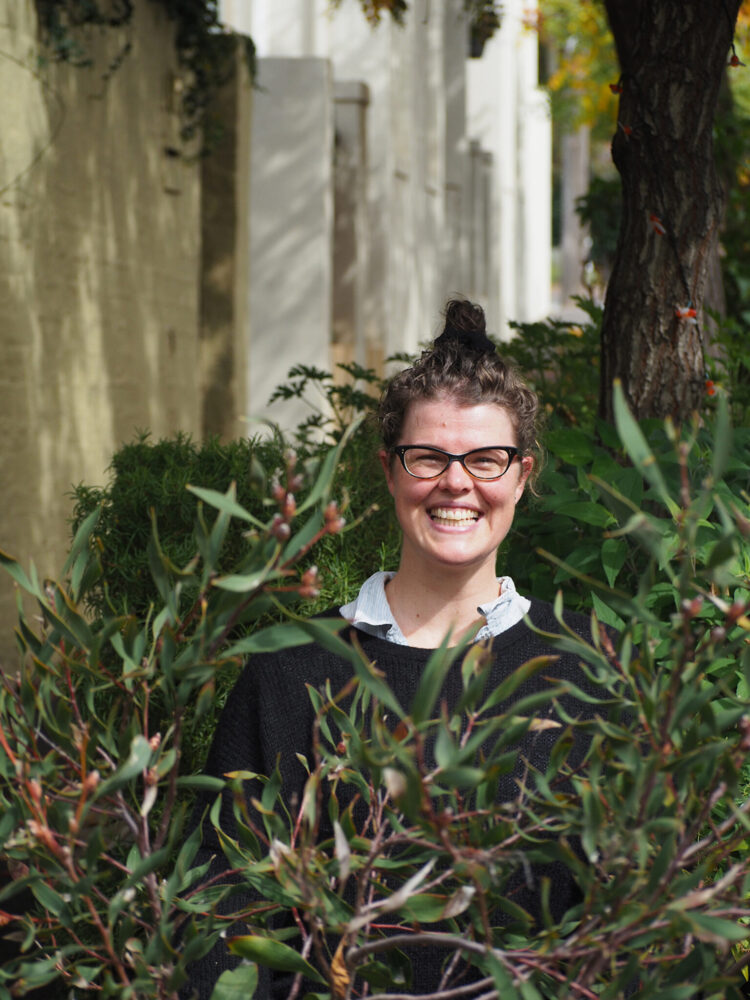
Nature strips are such a common feature of our neighbourhoods that most people wouldn’t give them a second thought. They make up a third of all public green space in Melbourne, along with roundabouts, medians and other green areas in our streets. In the Melbourne area of Port Phillip, for example, they make up 7 per cent of the total land. Local resident and force of nature, Emma Cutting, is marching her band of enthusiastic street gardeners out into the neighbourhood to a delightful tune of change, connectedness and can-do gusto with The Heart Gardening Project, helping to create The Melbourne Pollinator Corridor.
Emma’s first taste of street gardening started with a tiny plot under a tree in the narrow city street where she lives, following the footsteps of a close-knit community who had been quietly nurturing public spaces in the neighbourhood for decades. The simple act of taking careful, safe and considered care of this public space immediately connected her to people in their street and a gentle hum of goodwill and camaraderie with her neighbours began.
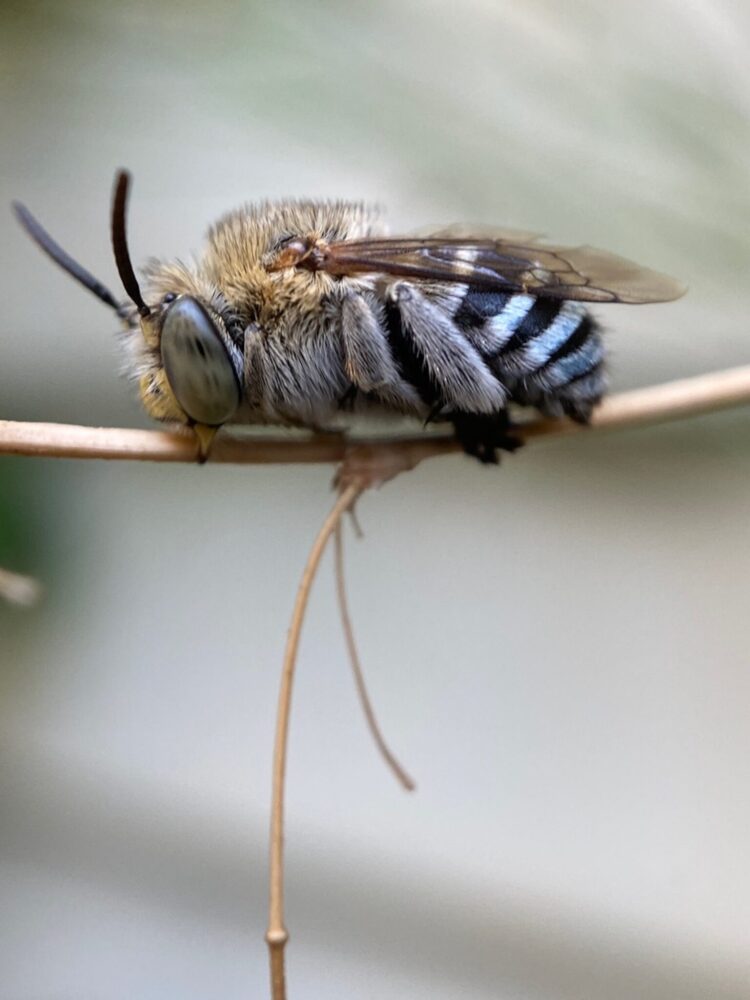
At the end of Emma’s street there was a patch of land on the corner and she decided it needed a bee garden. “I came out and looked at this space and thought ‘What about honey bees and bee foraging? What do they do with all this concrete? What kind of flowers and plants do they like? What about bee hotels?’ I started to do some research and found out we have all these different bees. We have honey bees and native bees, and lots of different species of them. How did I not know?”
Emma started getting bee lessons with specialist Kit Prendergast and consulted with local indigenous nurseries to help with the design of the bee garden. “There has been plenty done in this field – how to attract indigenous insects,” she says. “The City of Melbourne has done studies for their street plantings and lots of people have done wonderful research. It basically comes down to this: indigenous plants attract the most indigenous biodiversity. That’s it.”
With willing and enthusiastic input from neighbours, experts, benefactors and scientists, the first bee garden was created. A tiny oasis in a busy street with the sole purpose of attracting and catering to all types of bees and pollinators. “When I first started, I was thinking about honey bees, but as I learned more I realised the ones you really need to cater for are the native species,” saysEmma. “If you design your garden to attract native bees, the honey bees will be there too.”
The project sparked local interest and people in Emma’s community approached her for advice about their own nature strips and public spaces. The Heart Gardening Project took shape. Meetings were held and working bees became common weekend pastimes for streets of neighbours delighting in the shared experience of creating beautiful spaces with kids and dogs, with people of all ages and walks of life pitching in. Emma has published a handbook for gardeners, a generous guide, sharing all her research and knowledge on choosing plants and tips on how to work with established trees and infrastructure so no harm is done.
Emma’s passionate research into indigenous biodiversity for her gardens planted the idea to extend her bee gardens further, to incorporate all she had learned into more gardens on public land – a coming together of her love for street gardening and her new interest in looking out for our bees. She embarked on an ambitious project – The Melbourne Pollinator Corridor – joining the Royal Botanic Gardens in Melbourne to Westgate Park.
Emma created a thoroughly detailed proposal for this eight-kilometre length of land with plans to establish at least 200gardens on public land at no more than 50-metre intervals through four suburbs, from the Melbourne CBD throughSouthbank and South Melbourne, and arriving at Port Melbourne close to the mouth of the bay. A lovely long stretch of snacks to invite our most precious pollinators into our backyards and veggie patches.
Emma has designed this project within local government constraints but not with the government. She has tried, but is yet to receive the level of support and enthusiasm she naturally receives from the people of her neighbourhood. Her community is quietly getting on with helping her realise her vision with the help of her guidance and there are stirrings of interest from a number of community and commercial groups who would love to see her succeed.
“What I realised is that you just look for all the positive support everywhere. You do everything that is possible to apply pressure in different ways to make things happen,” Emma says. “This land, there’s just so much of it. Acres! This land can be used to benefit the community, fight climate change and, you know what? We’re doing something. We’re doing something by ourselves, but together. You know what we’re about? Connecting humans to humans, humans to nature, and nature to nature.”
theheartgardeningproject.org.au