Designing with Natural Fibre Flooring
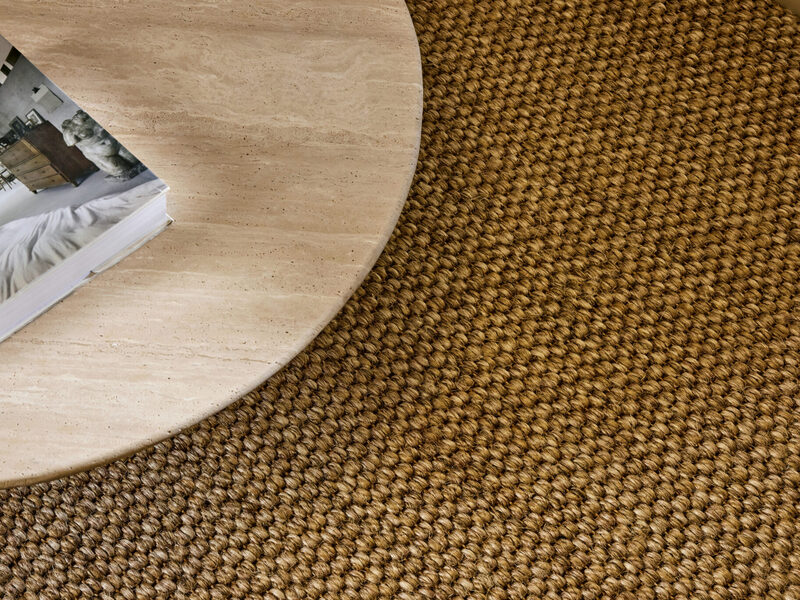
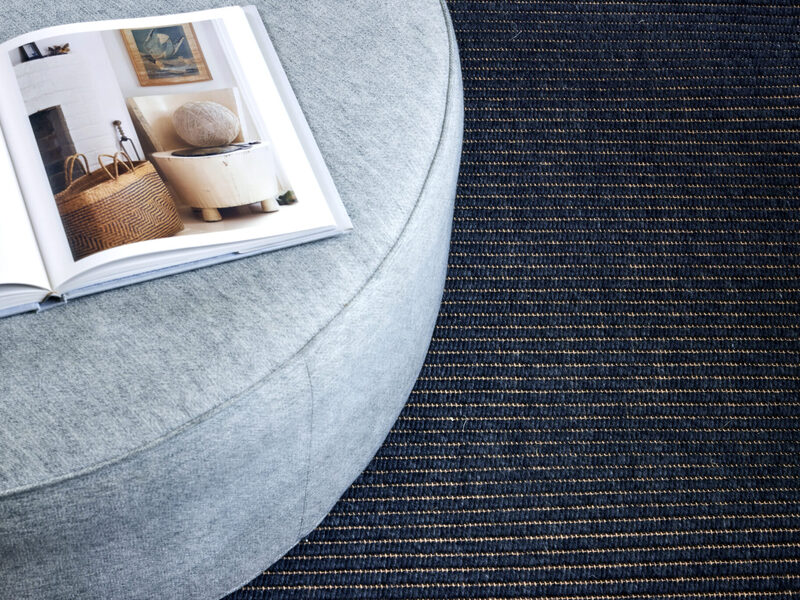
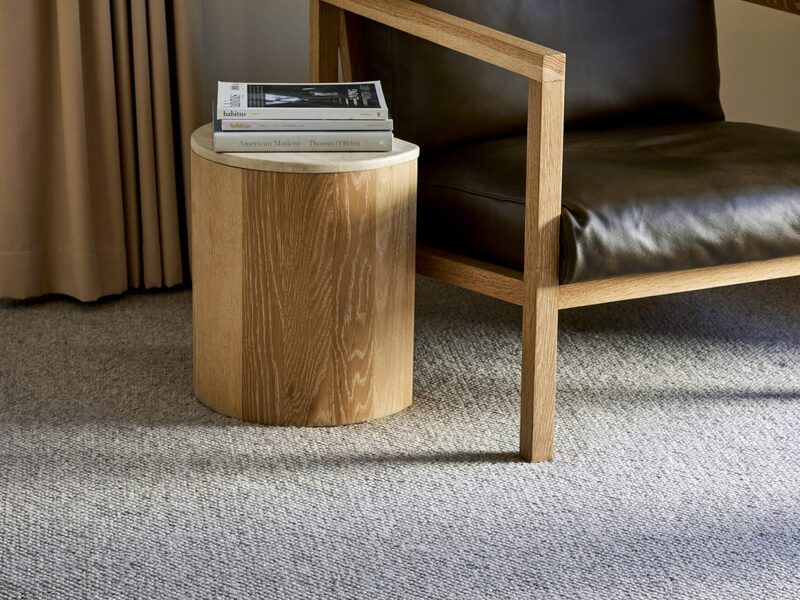
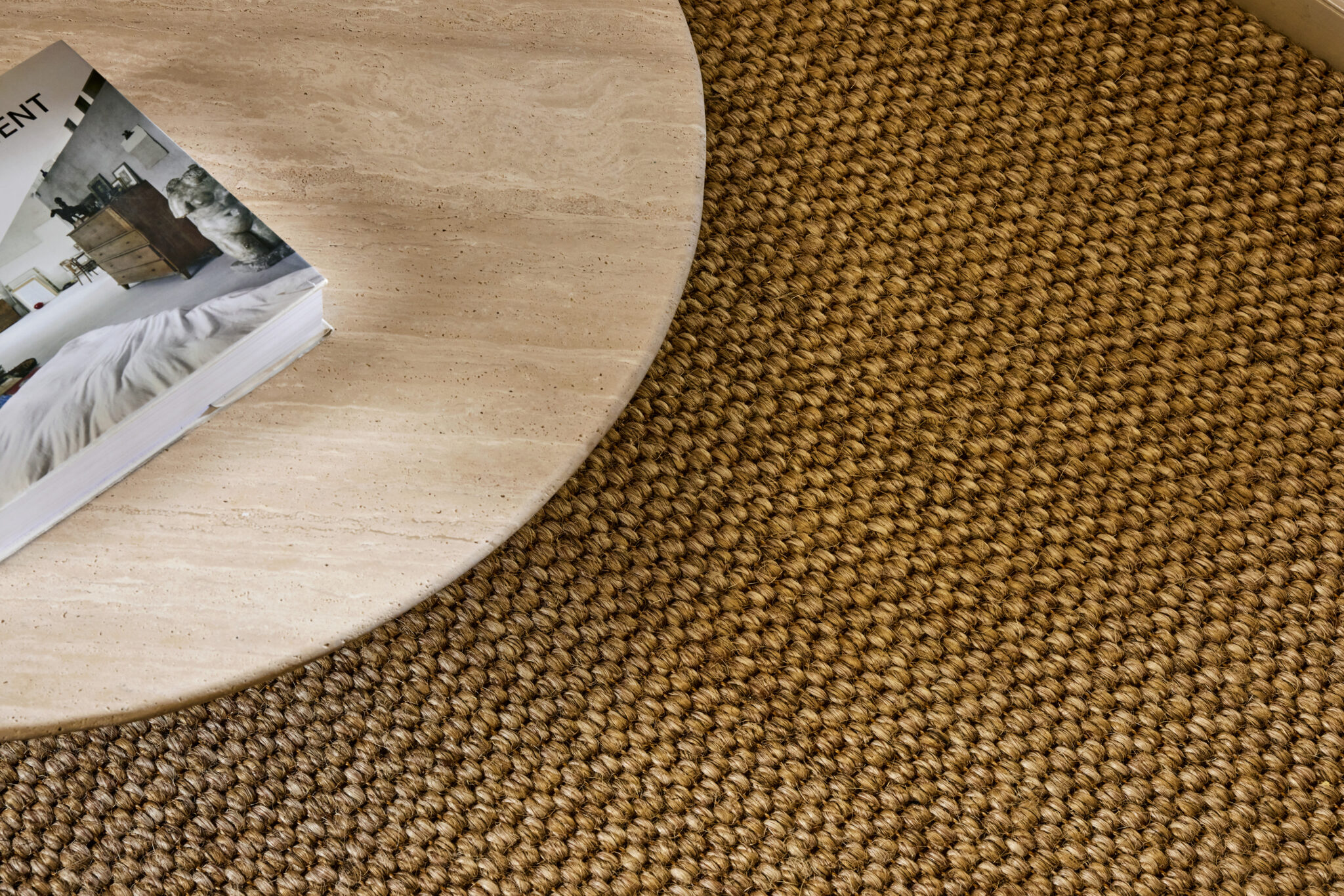
Natural fibre flooring has long been used by designers as a way to introduce texture and depth to a space without overpowering it. Materials such as sisal, seagrass, coir and jute bring subtle variation and a woven structure that works comfortably across many styles of interior.
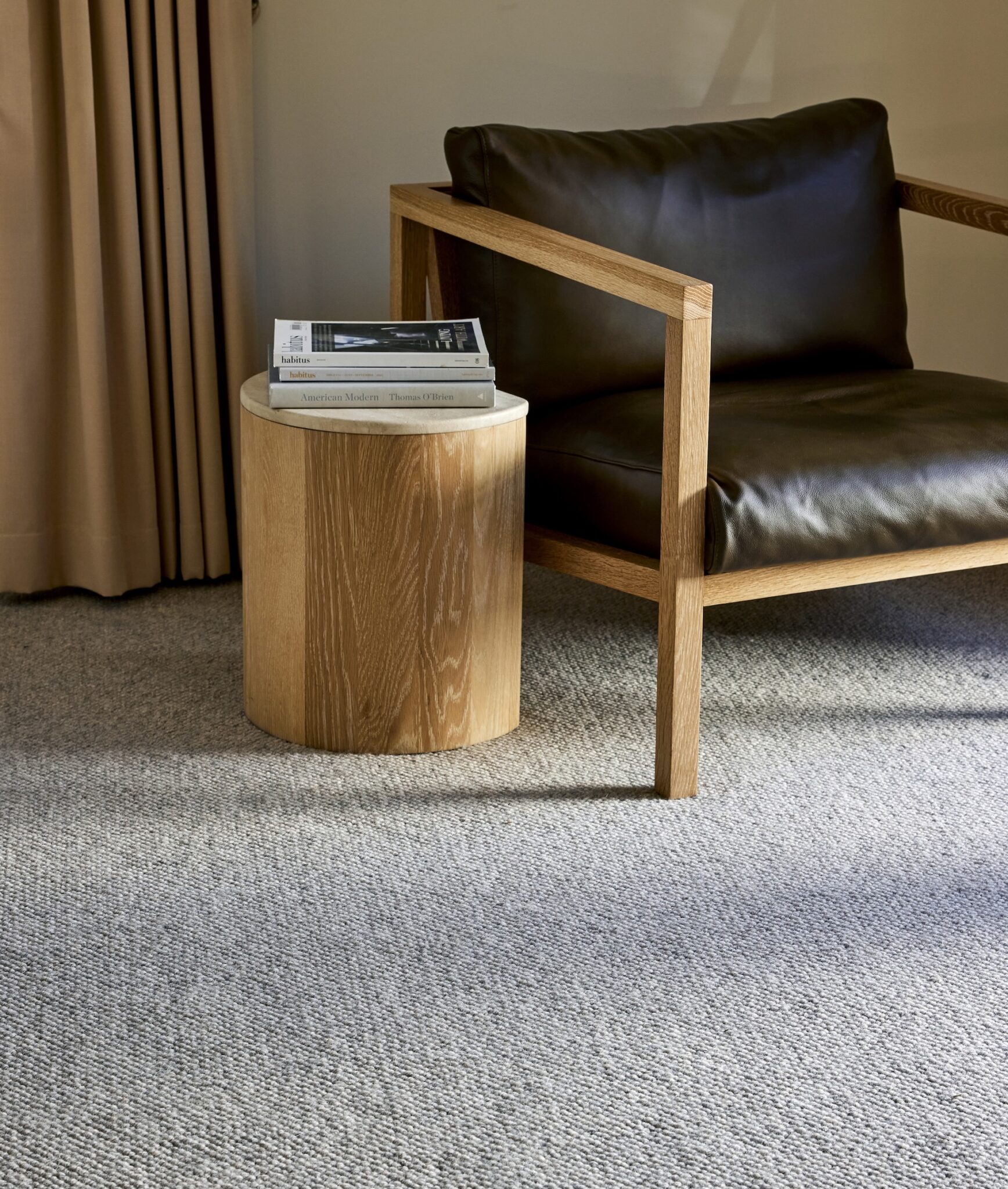
Unlike synthetic carpets, natural fibres tend to sit quietly within a room. Their neutral tones and tactile surfaces allow other elements, joinery, furniture, artwork and lighting to take focus while still contributing warmth and character underfoot.
Because of this, natural fibre flooring is often used as a grounding element in a project.
In open-plan spaces it can help define living areas, while in bedrooms and studies it introduces a softer, more relaxed feel.
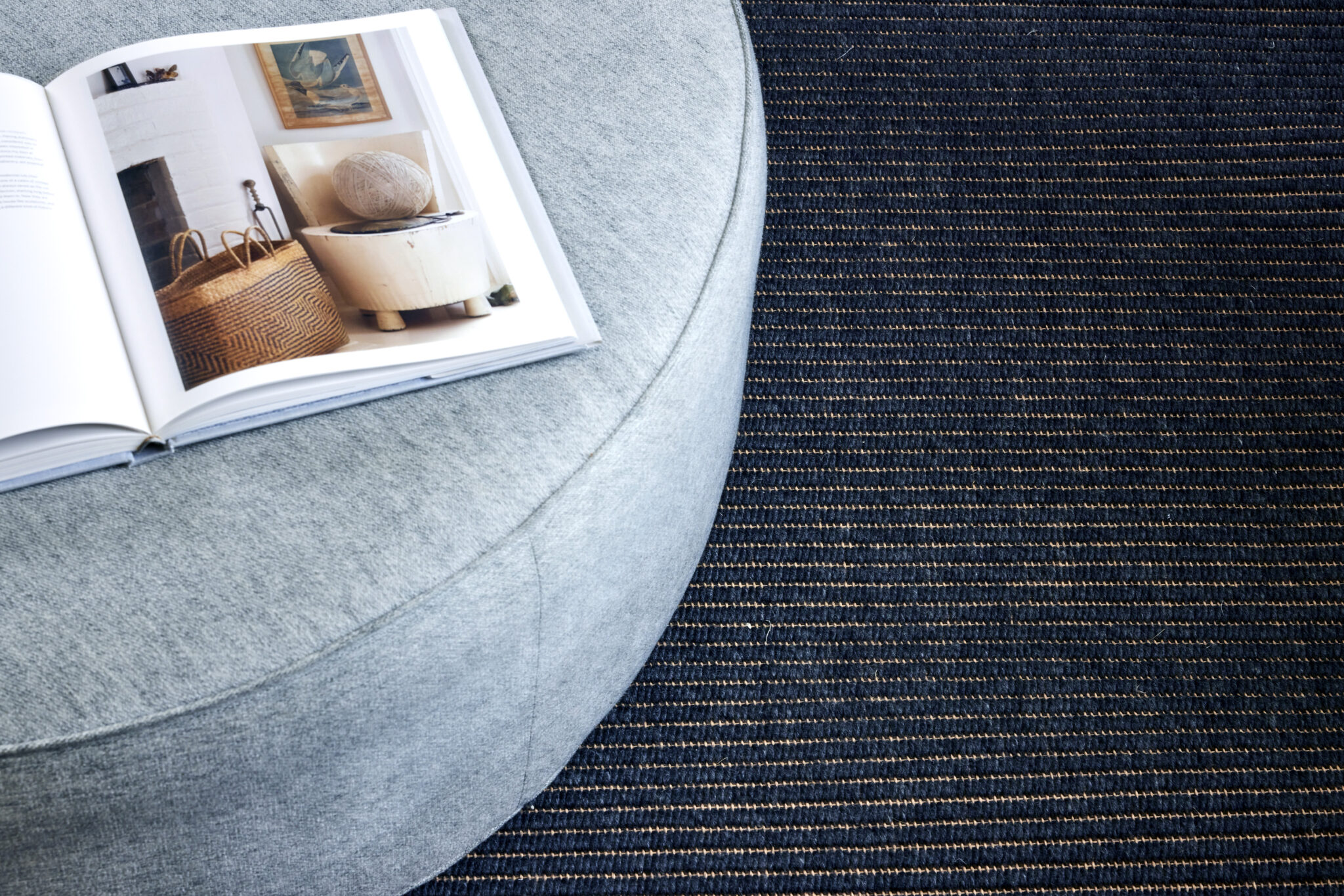
Designers frequently specify natural fibre carpets in areas where texture is important, but pattern needs to remain understated. The woven construction of sisal and seagrass provides visual interest without dominating the room.
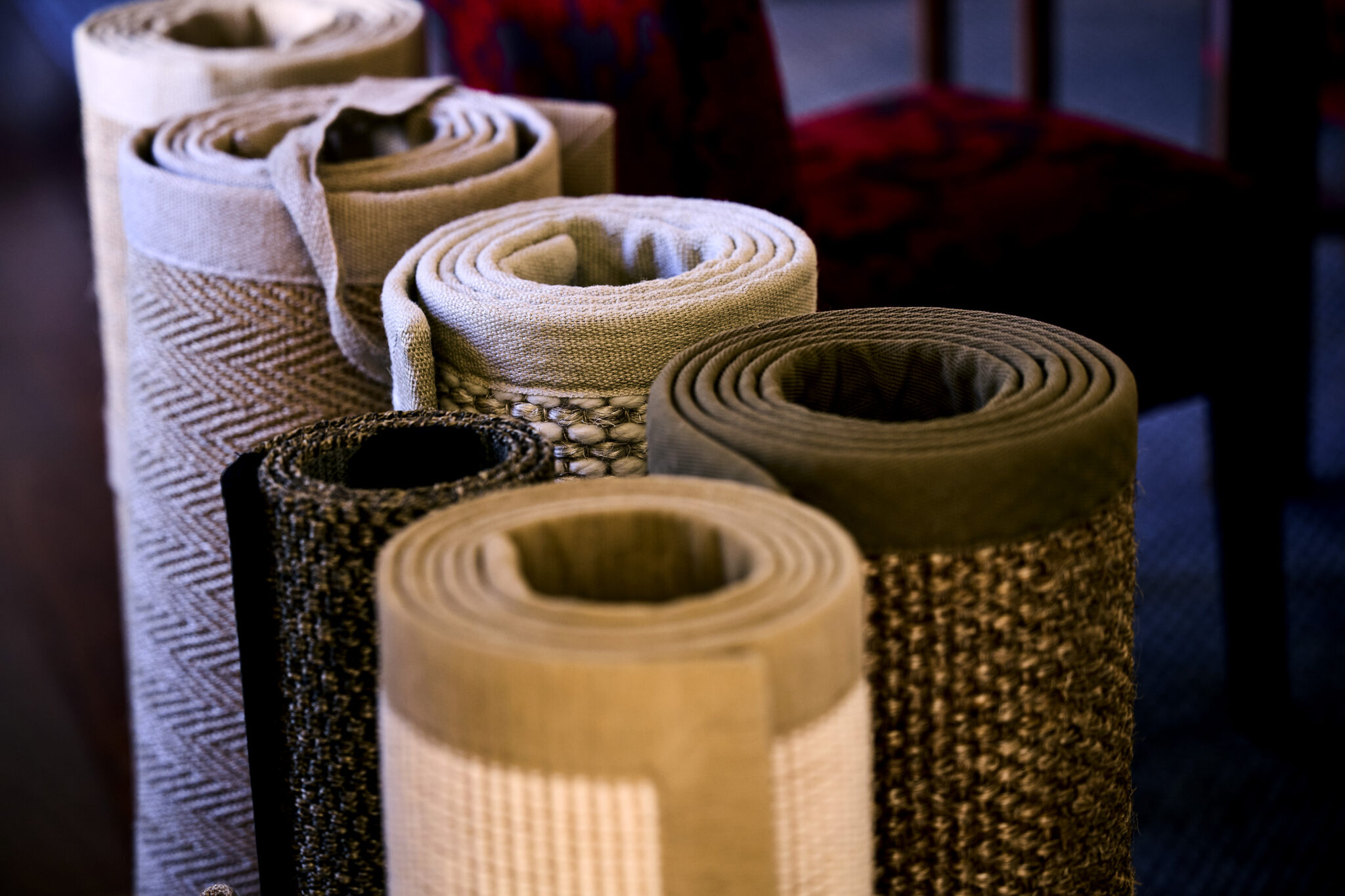
Beyond wall-to-wall installation, natural fibres are also commonly used for custom rugs and stair runners. Rugs allow designers to introduce texture within timber or stone floors, while stair runners add durability and softness to high-traffic areas.
Another advantage of natural fibre flooring is its versatility. It works equally well in coastal homes, country houses and contemporary urban interiors. When paired with natural materials such as timber, stone and linen, the effect is layered but restrained.
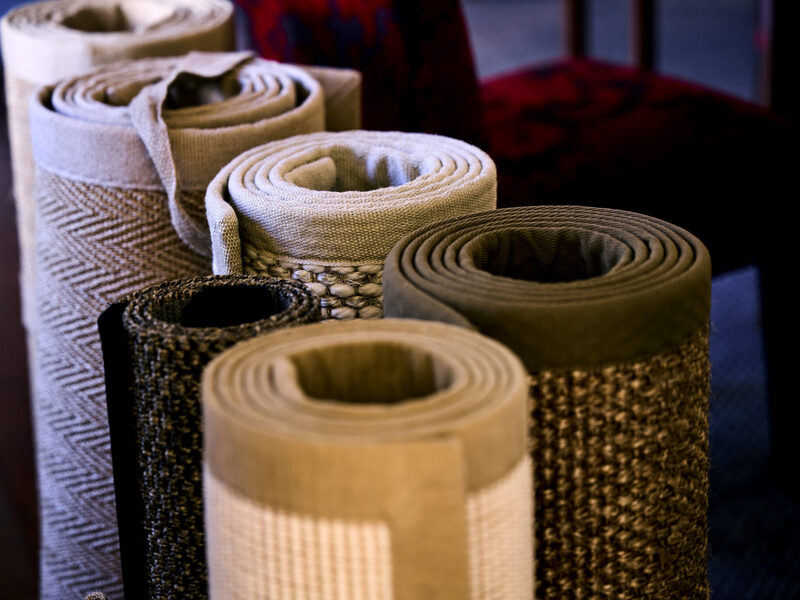
Natural fibre carpets are available in a wide range of weaves and tones, allowing designers to select a finish that complements the palette and architecture of a project.