Robin Boyd Foundation Launches New 3D Tours of Four Landmark Australian Projects
IMG LINK
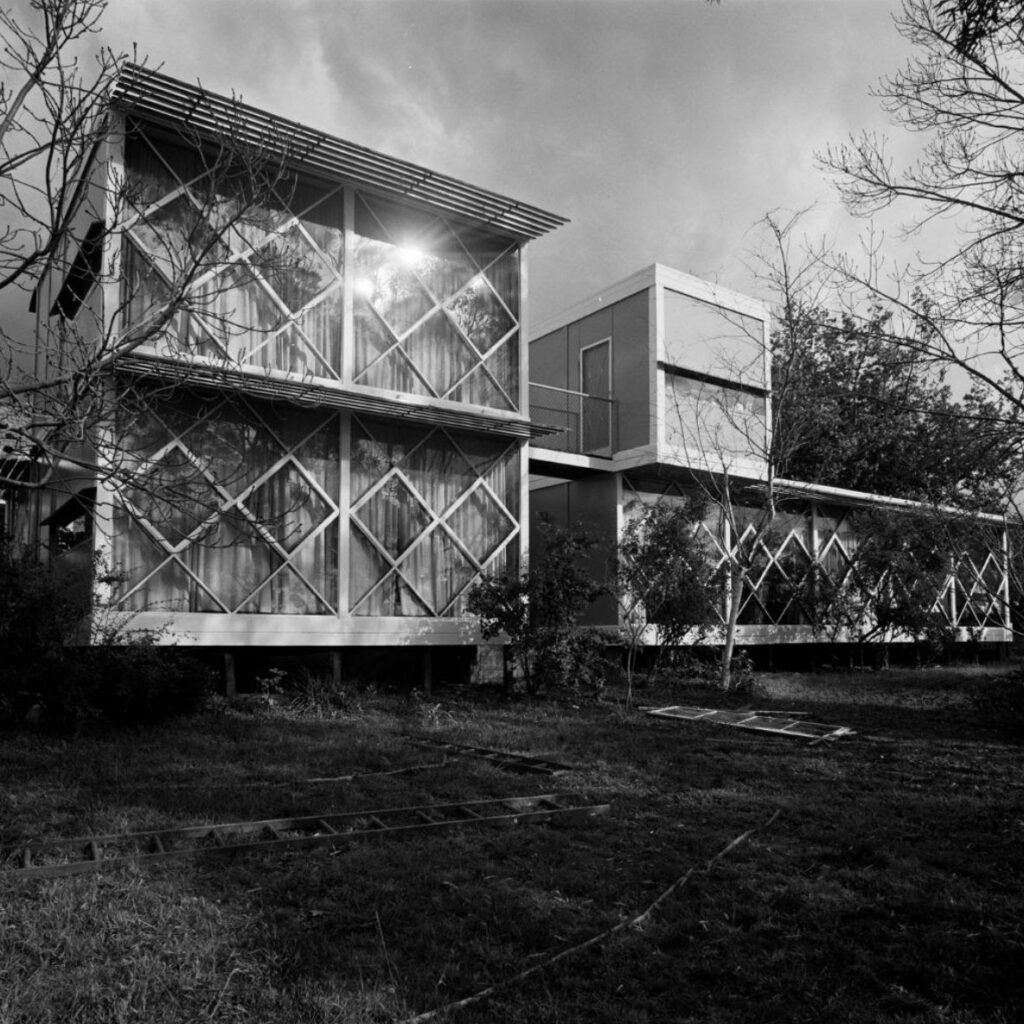
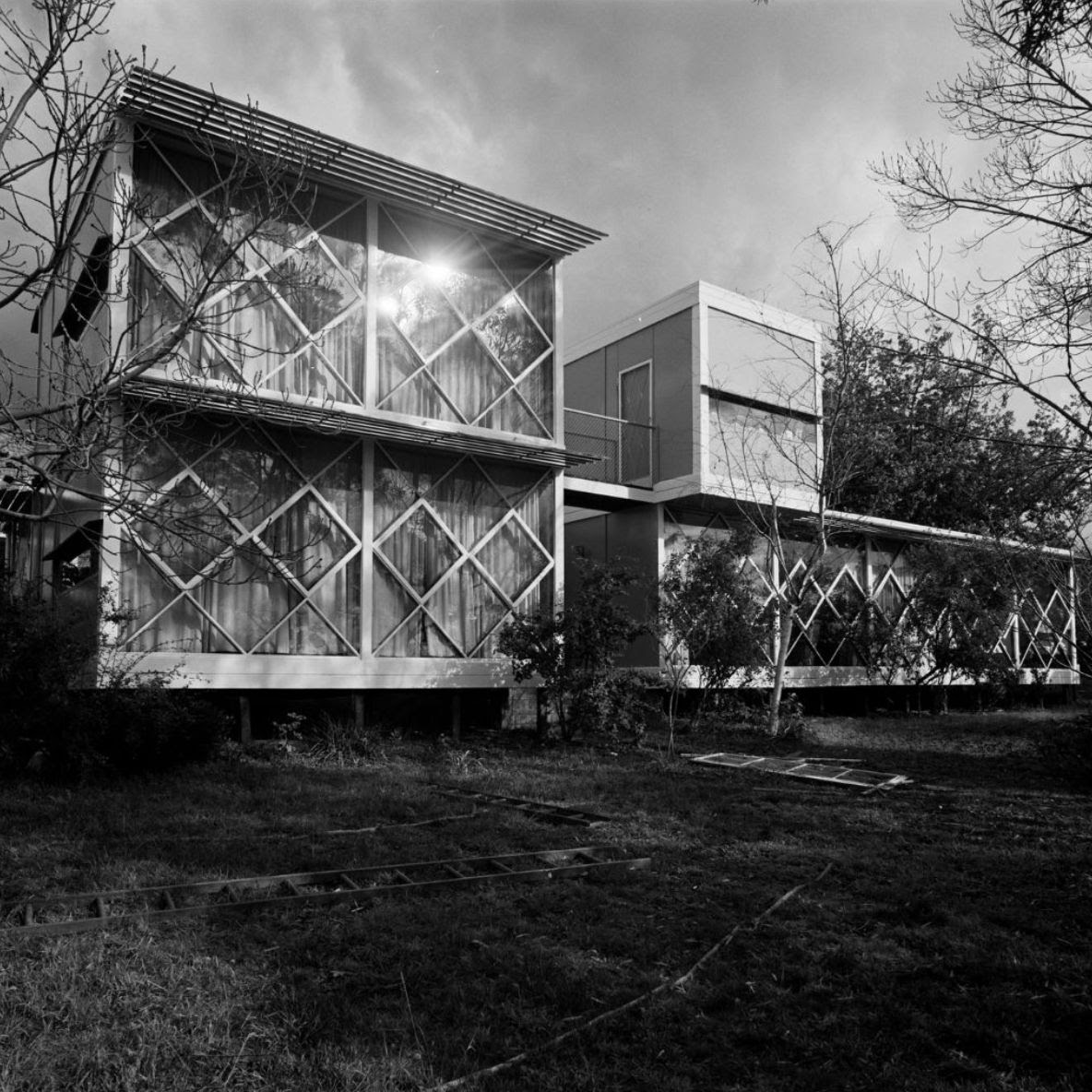
View of Gillison House from the garden, 1952. Photo: Mark Strizic. Courtesy: State Library of Victoria
IMG LINK
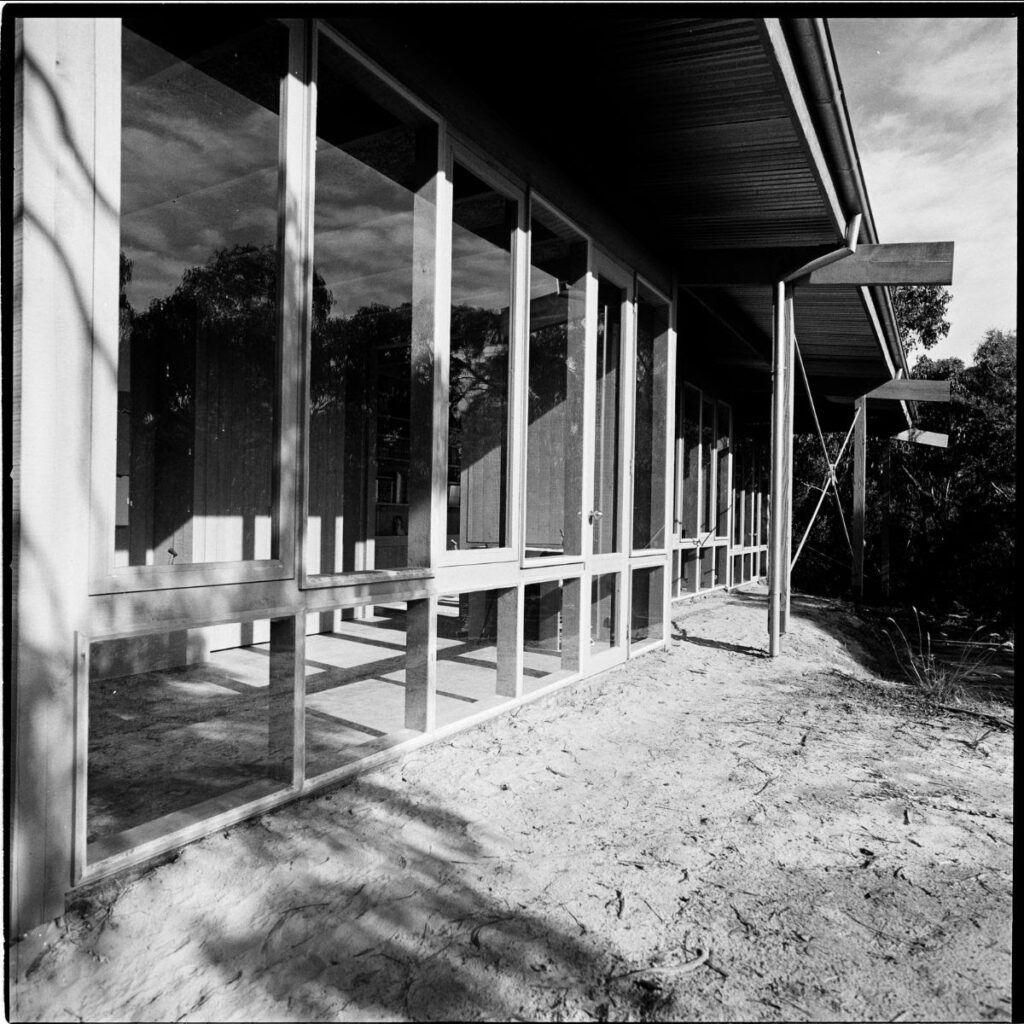
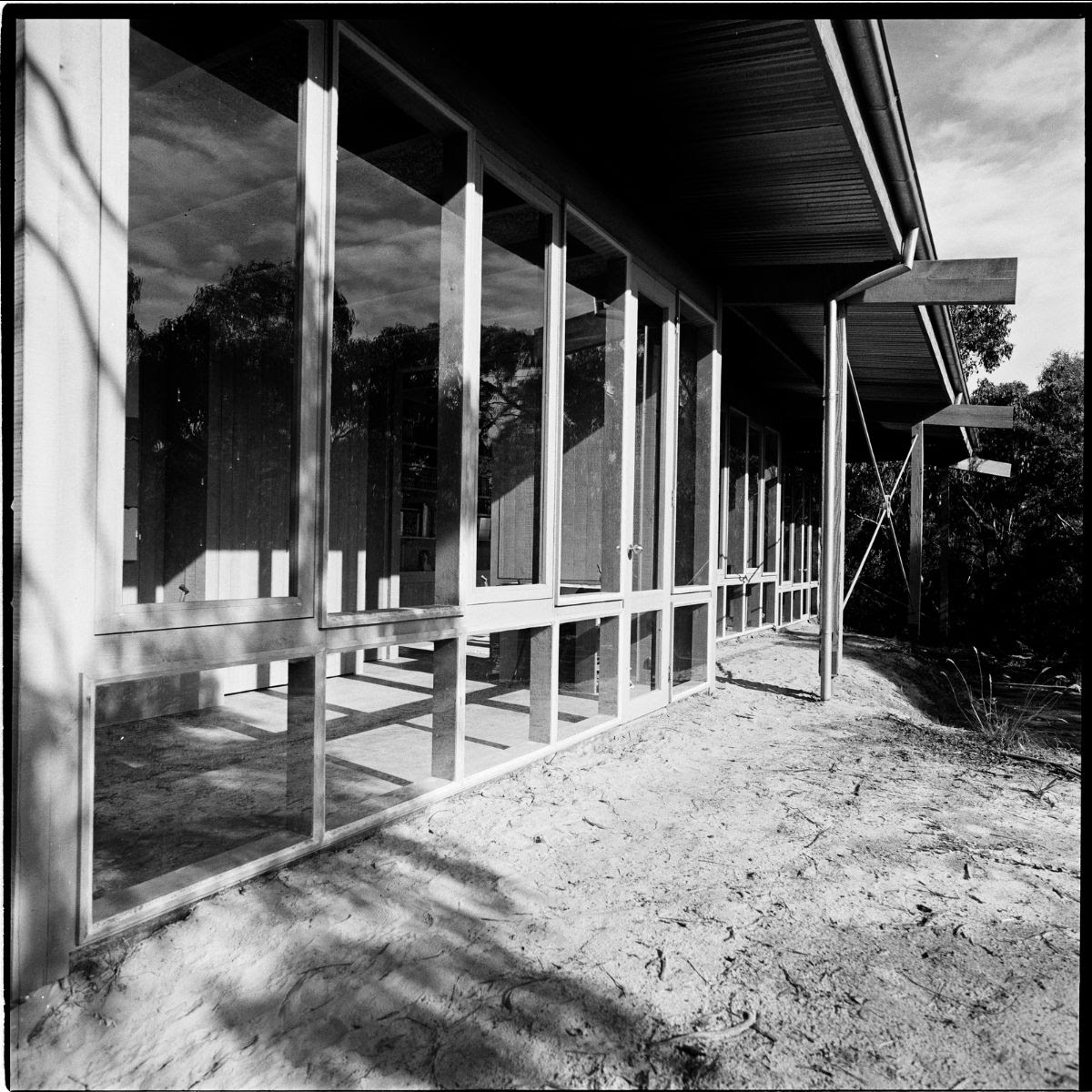
Exterior view of McClune House, 1970. Photo: Mark Strizic. Courtesy: State Library of Victoria
IMG LINK
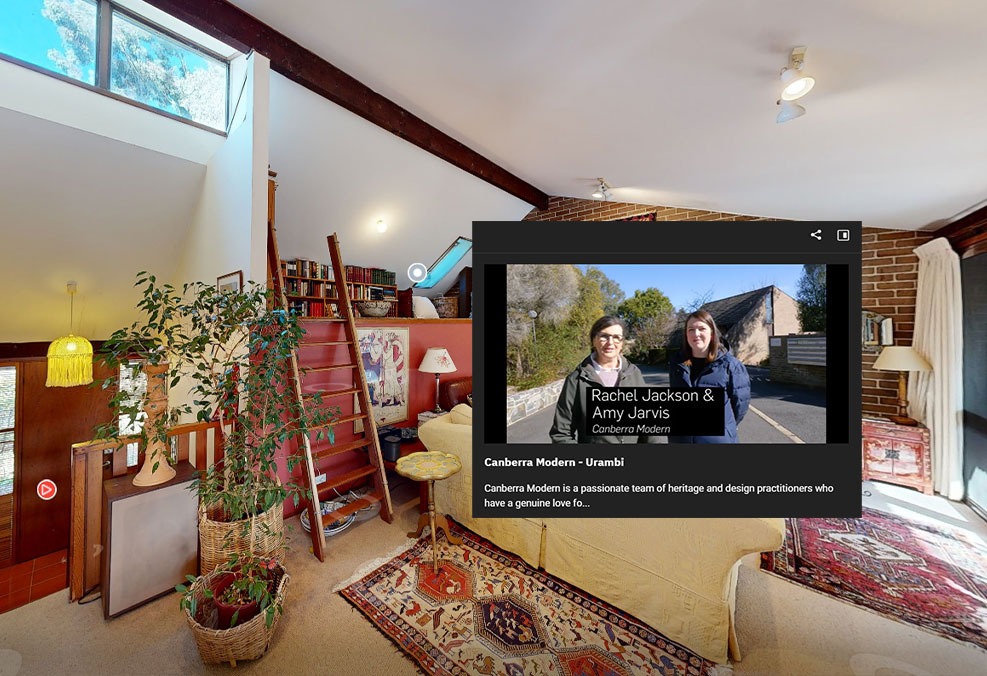
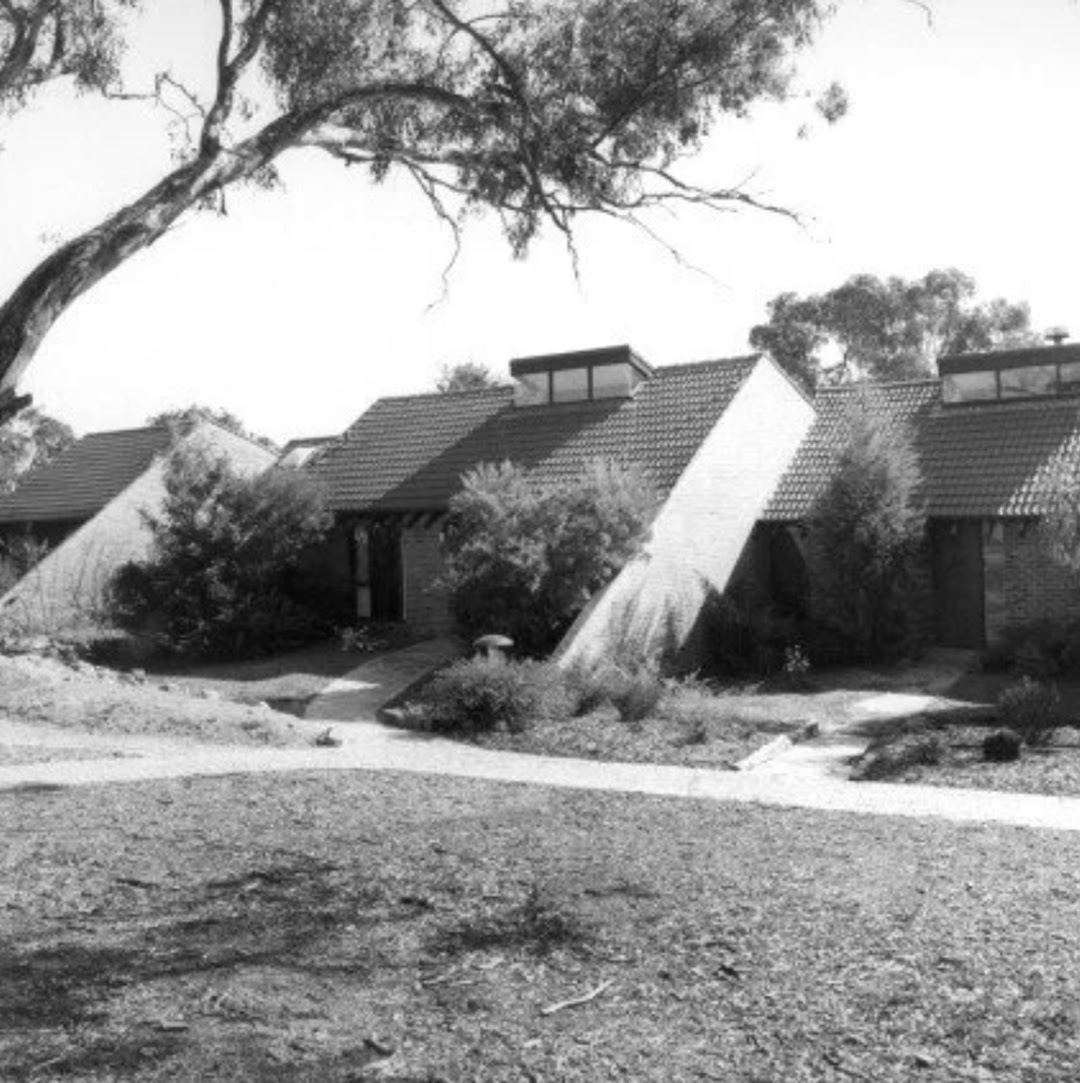
Urambi Village (Michael Dysart and Peter Bell, 1976) 3D Tour screengrab. Image: Robin Boyd Foundation
IMG LINK
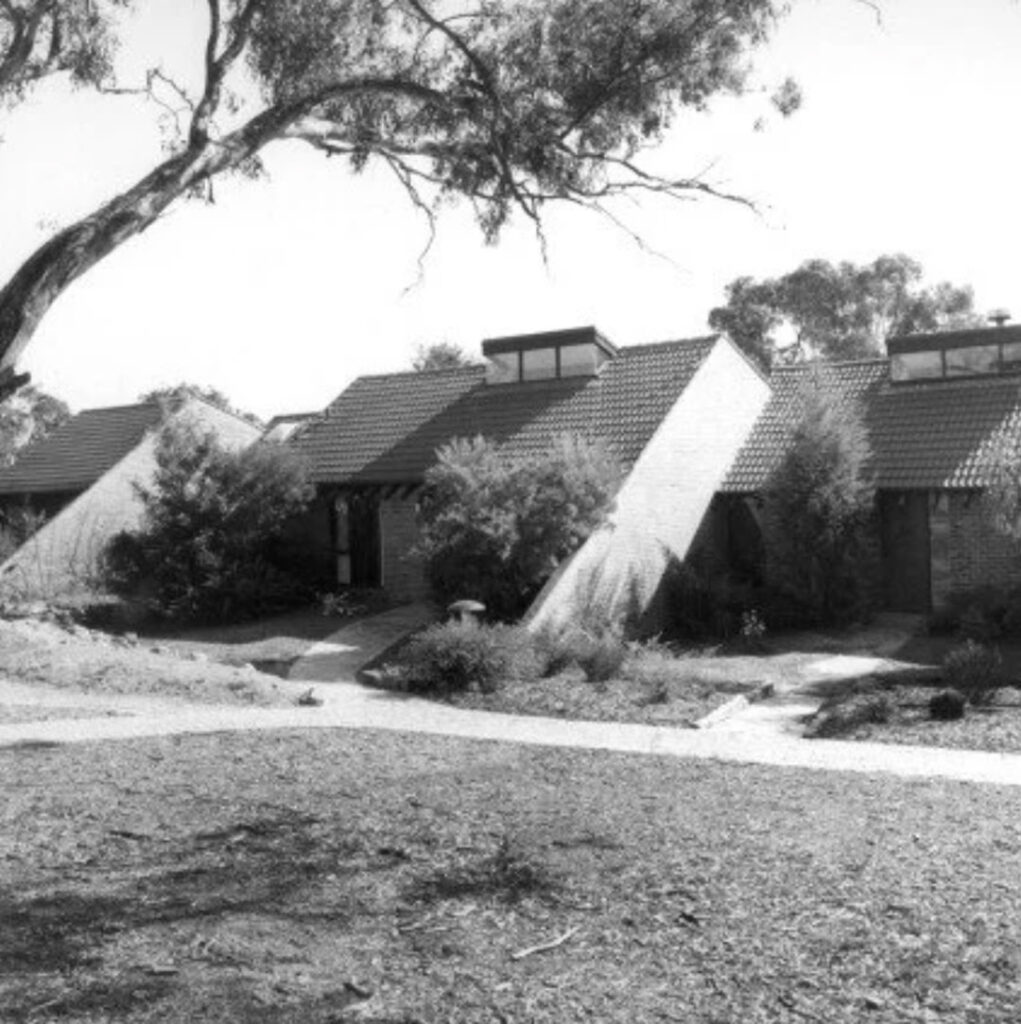
Exterior view of Urambi Village, a cluster housing development in Canberra completed in 1976 by Michael Dysart and Peter Bell.
IMG LINK
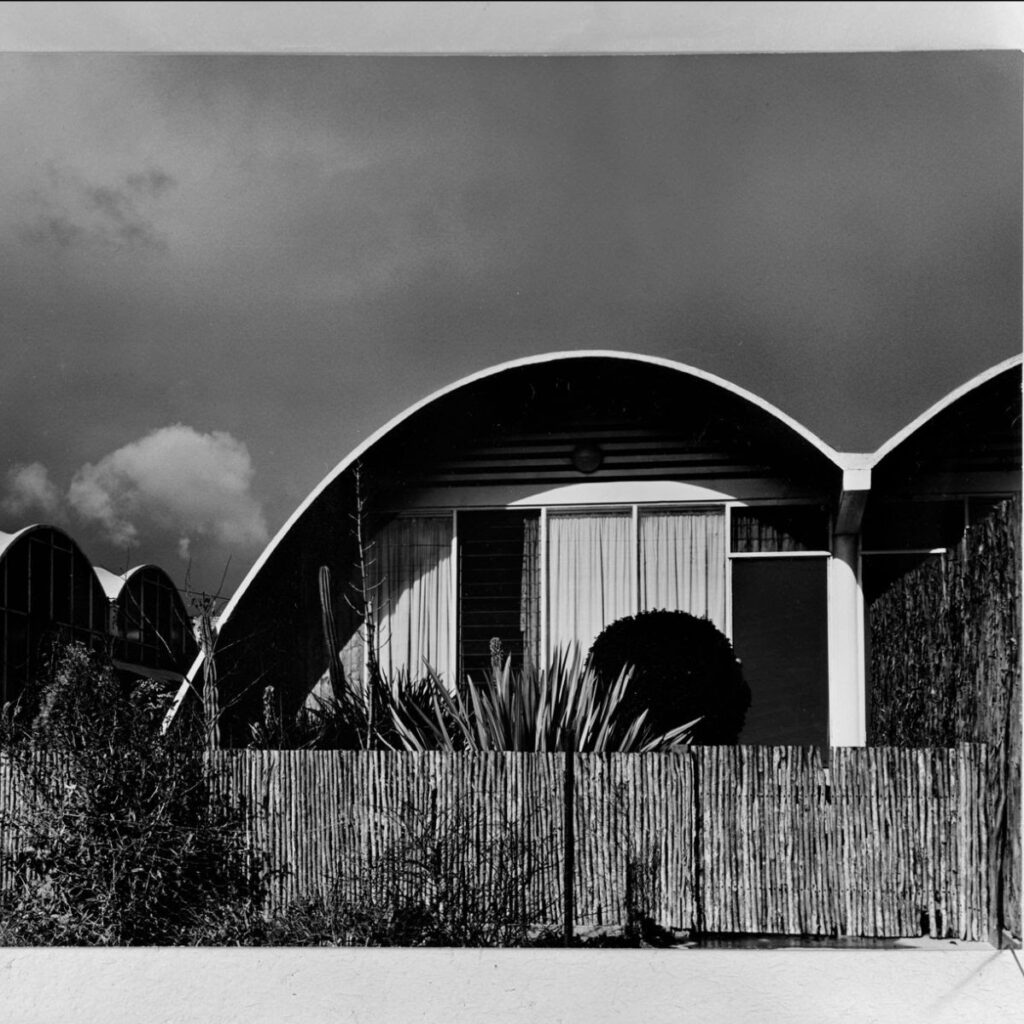
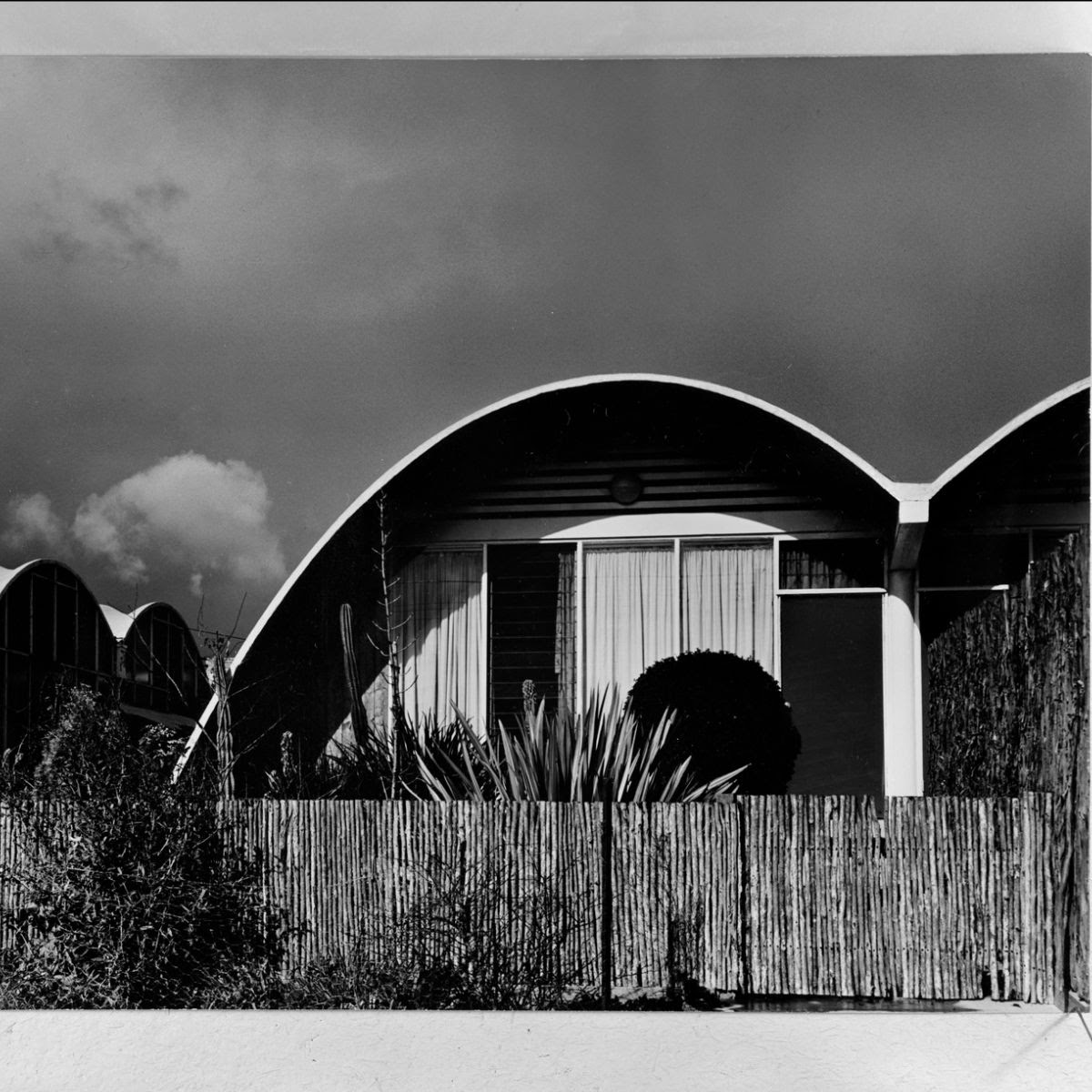
Ctesiphon Concrete Supermarket and House, designed by Robin Boyd. Photo: Mark Strizic (between 1960 and 1970). Courtesy: State Library of Victoria
The Robin Boyd Foundation has launched four new 3D Tours; Gillison House (Robin Boyd, 1952), Ctesiphon Concrete Supermarket and House (Robin Boyd,1950s), McClune House (Robin Boyd, 1965) and Urambi Village (Michael Dysart and Peter Bell 1976).
Developed by the Robin Boyd Foundation Digital Team, the 3D Tours the new tours span domestic, experimental and community-based projects, extending public access to sites that are rarely open or difficult to experience in person, and are generously supported by the Alastair Swayn Foundation, Arup and Phoria.
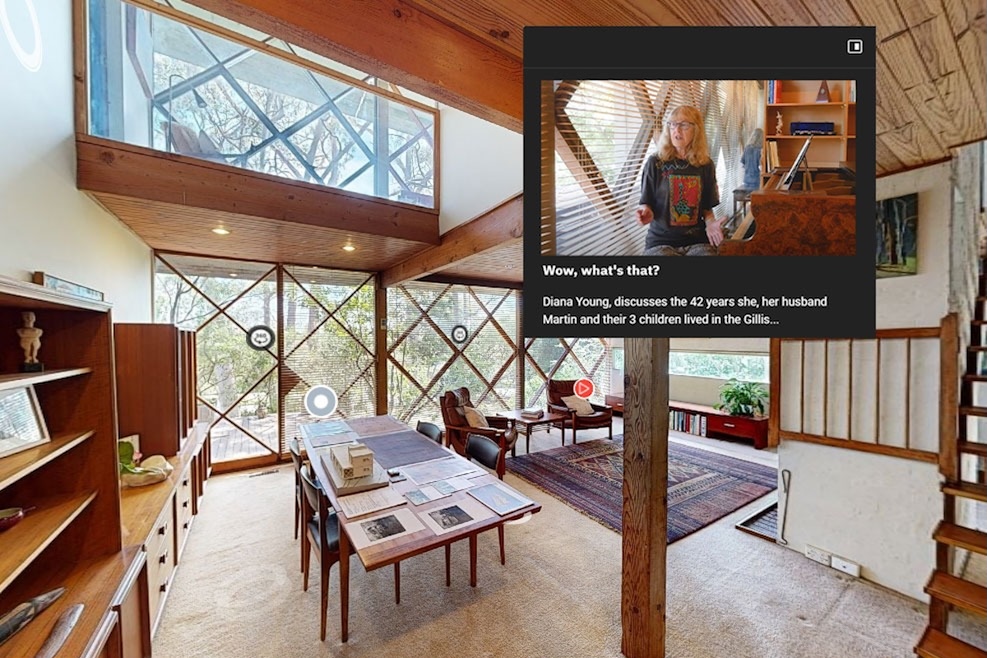
Designed by Robin Boyd in 1952 for journalist Douglas Gillison, Gillison House explores a modular architectural language built around contrasts between solid forms and open voids. Posts define distinct bays that organise the plan into interconnected volumes, while the dramatic diamond window wall extends along the northern façade, inviting sunlight deep into the house and shaping its character.
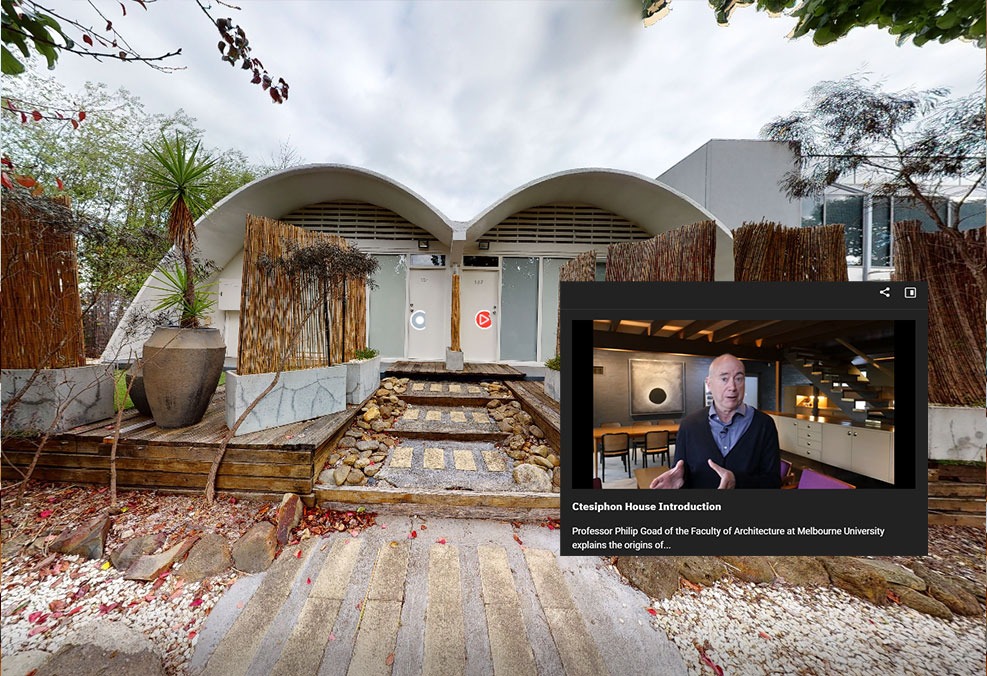
Also designed by Boyd in the early 1950s, the Ctesiphon Concrete Supermarket and House in Ashwood/Jordanville showcases a highly experimental construction system. Using a patented concrete technique developed by engineer J H de Waller and adapted locally by builders McDougall and Ireland, the project rationalises house and wall into a single architectural element that is both structural and functional.
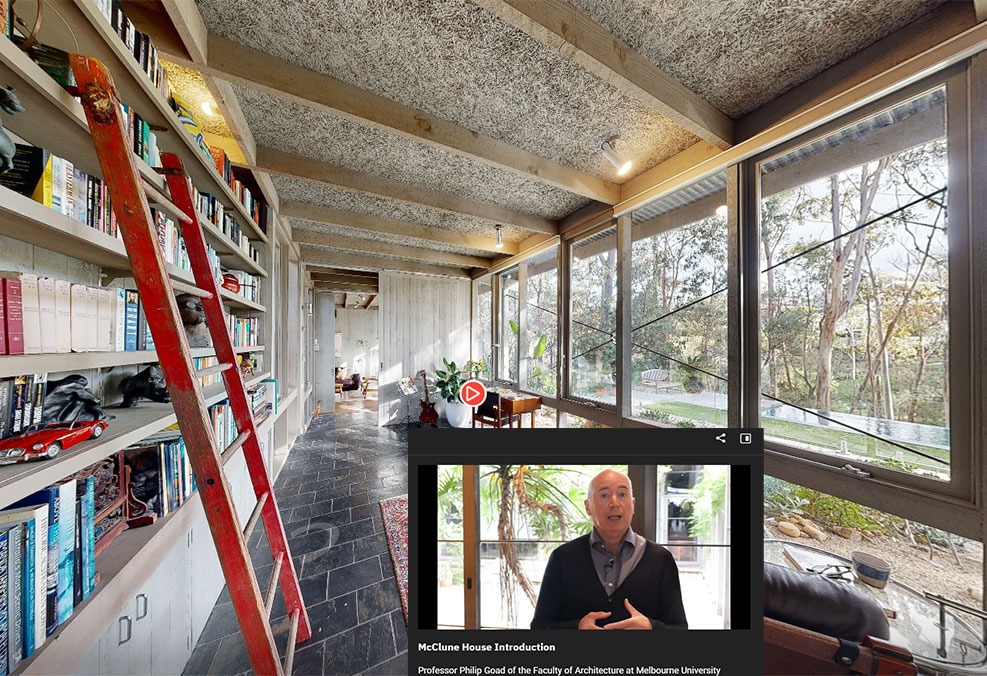
The McClune House, designed in 1965 as a residence for Ian McClune, represents a lesser-known yet highly refined example of Boyd’s domestic work. Organised as two staggered rectangular volumes responding to the sloping site, the house centres on an outdoor courtyard that functions as its living heart. The parasol roof – a recurring Boyd motif – provides both climatic control and architectural clarity.
Completing the series is Urambi Village, a cluster housing development in Canberra designed by Michael Dysart and Peter Bell and completed in 1976. Comprising 72 townhouses arranged around shared community spaces, the project challenges conventional suburban planning by prioritising collective life and a close relationship with the surrounding landscape.
Together, the four new 3D Tours highlight the breadth of architectural thinking across mid-century and post-war Australia, from Boyd’s experimental domestic work to later models of community-oriented housing. By combining archival material with contemporary digital tools, the Robin Boyd Foundation continues to expand access to architectural heritage while supporting new ways of learning, research and public engagement.
More information: robinboyd.org.au/digital
More green updates