
AHEC & Phantom Hands Unveil ‘Re-editions’ at Design Mumbai
IMG LINK
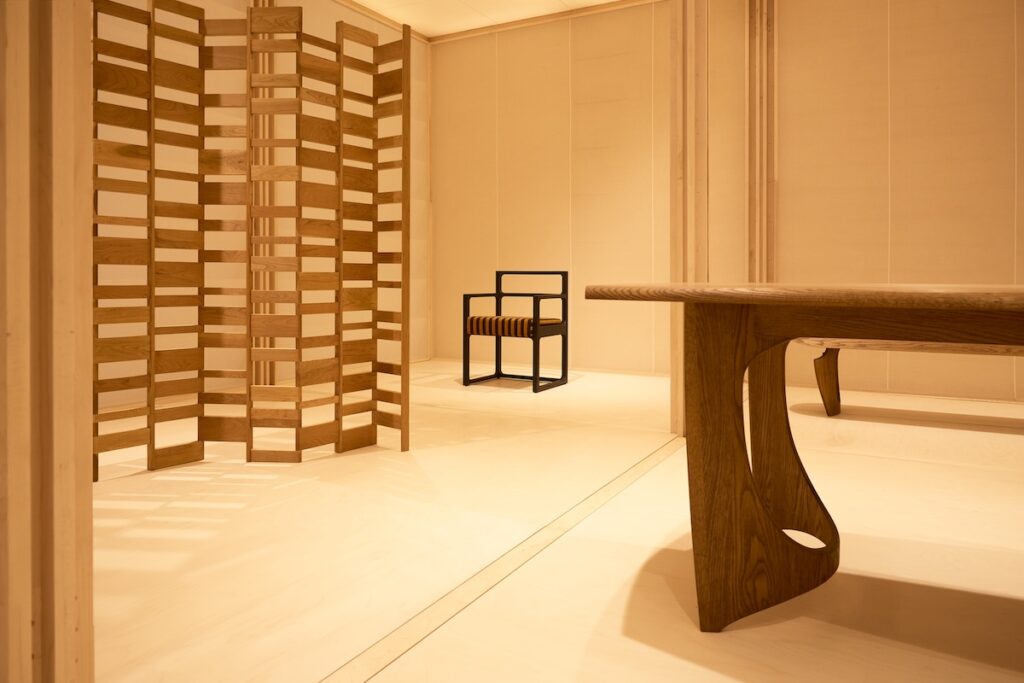
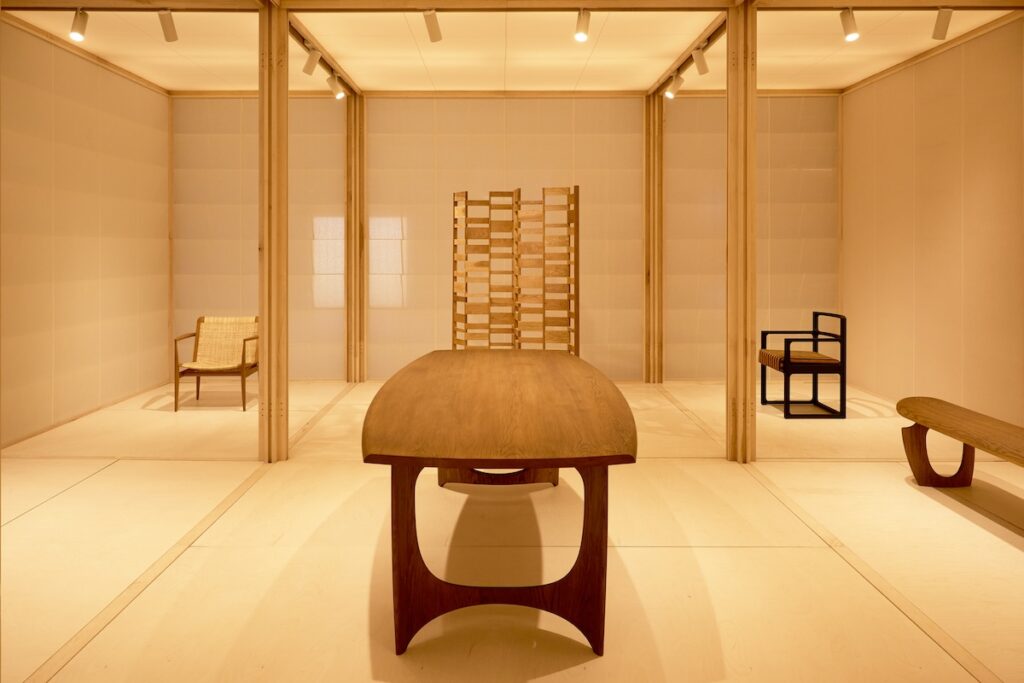
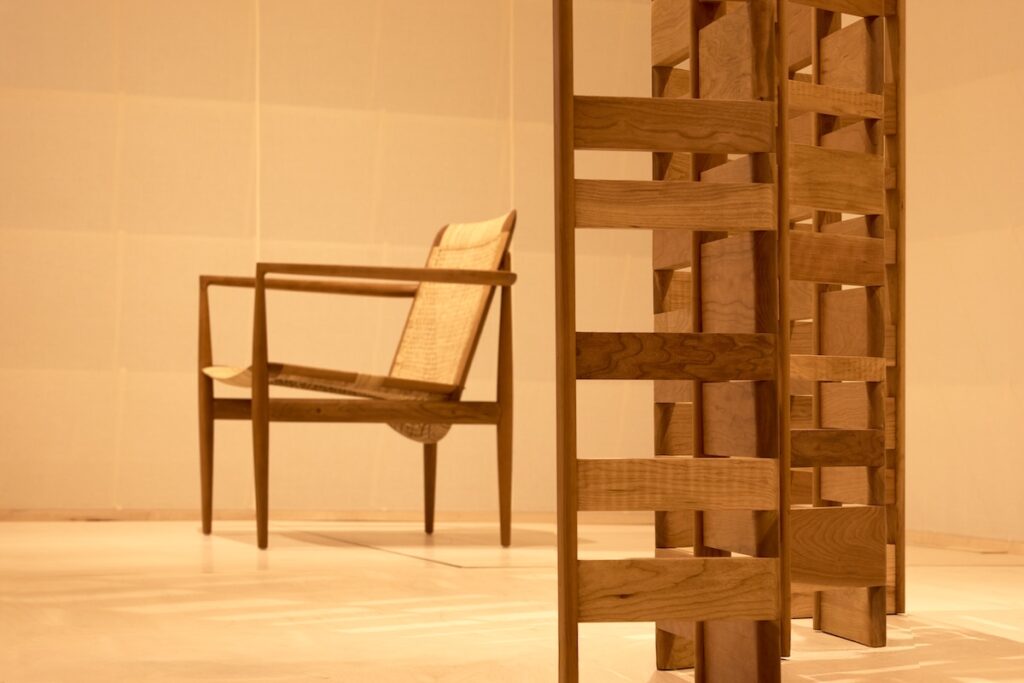
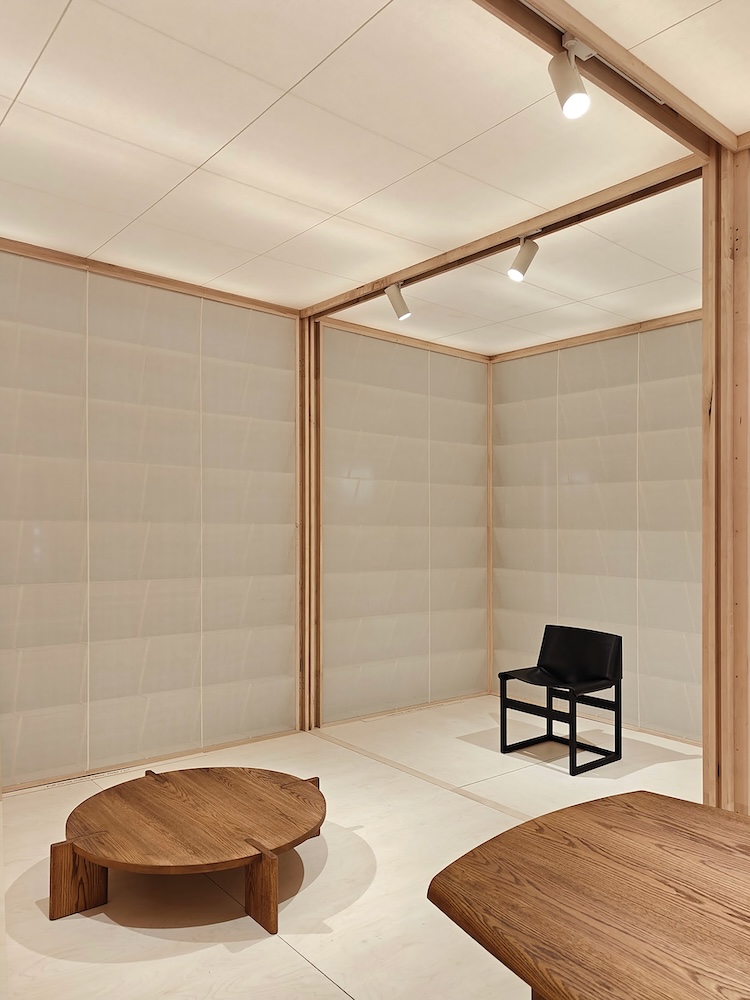
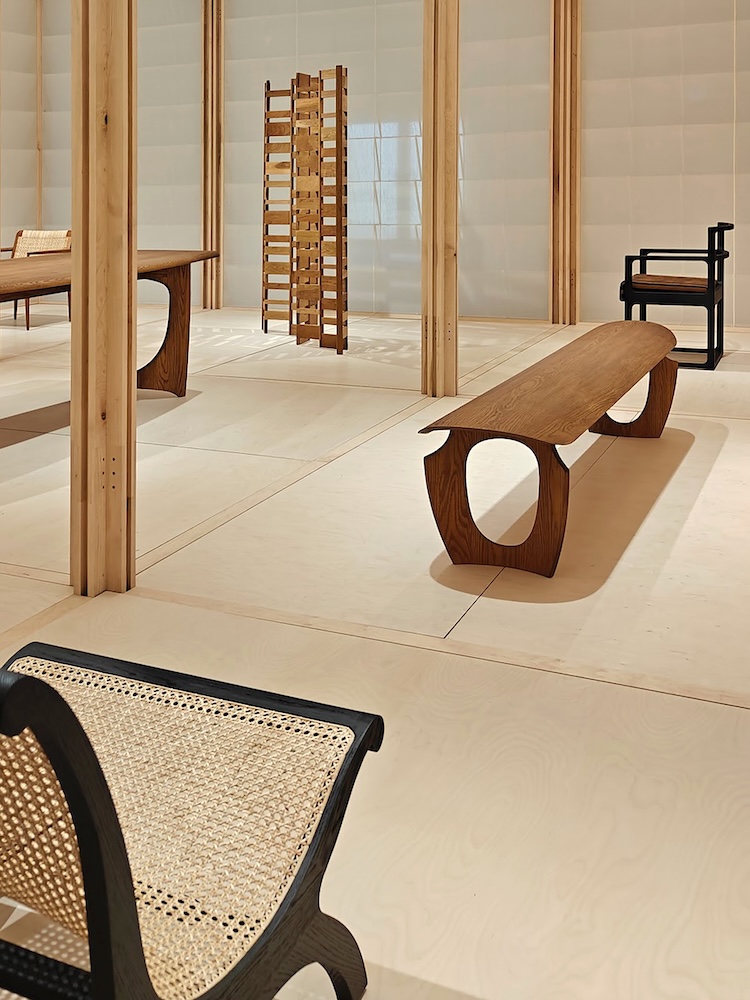
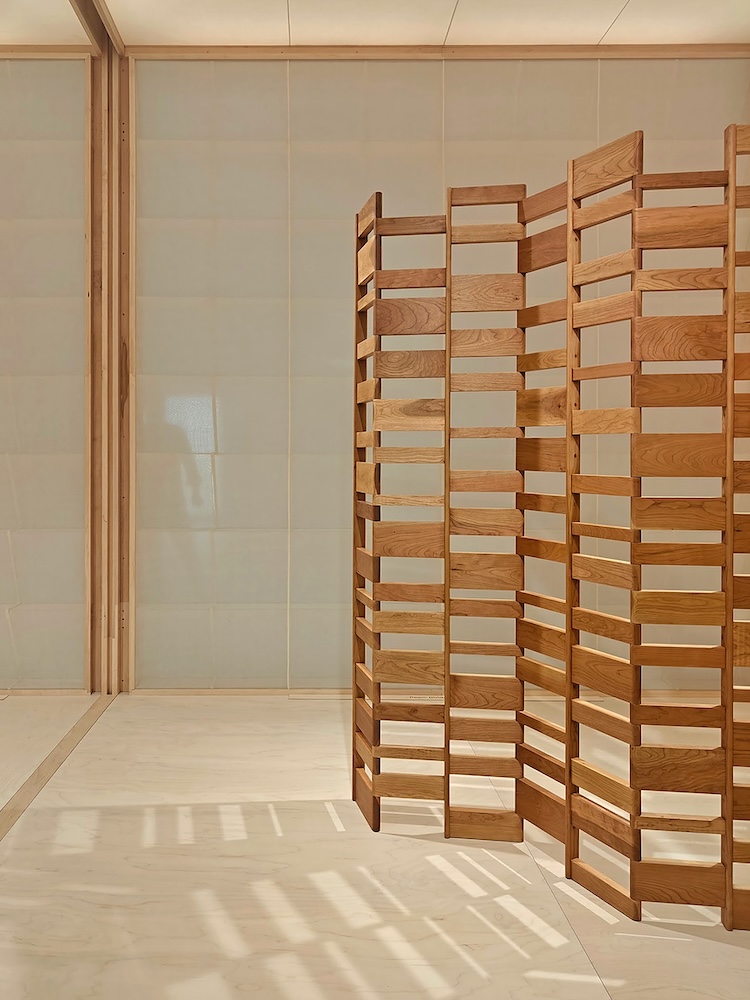
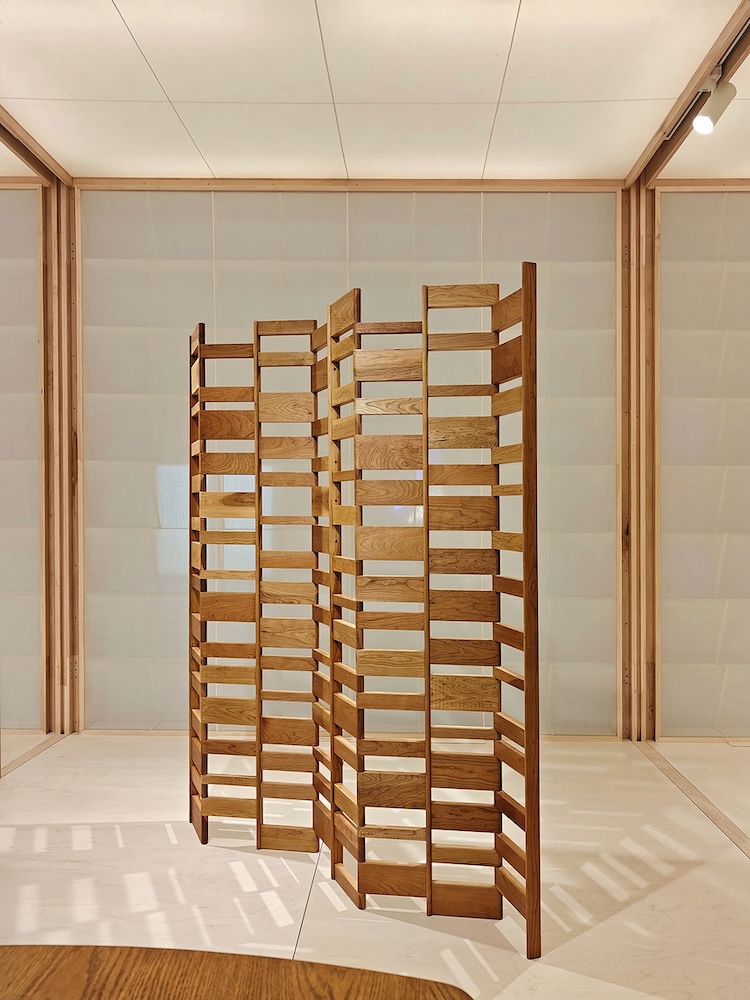
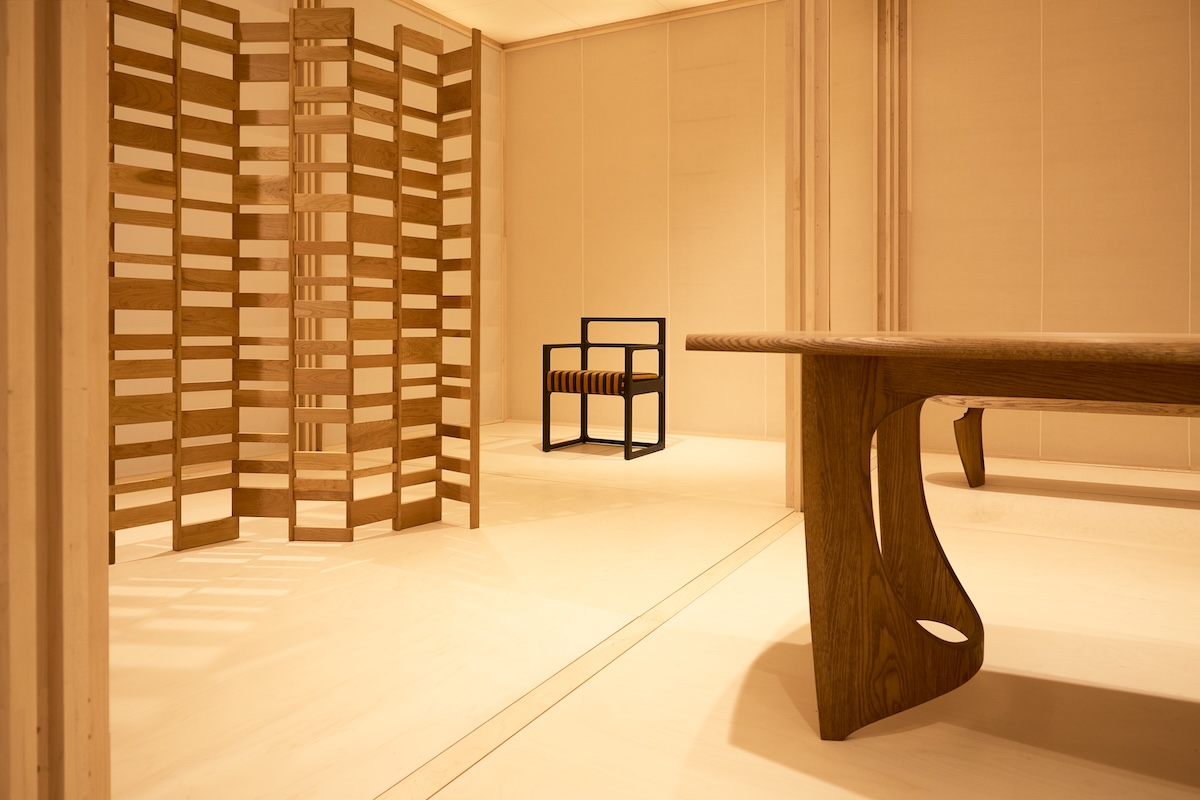
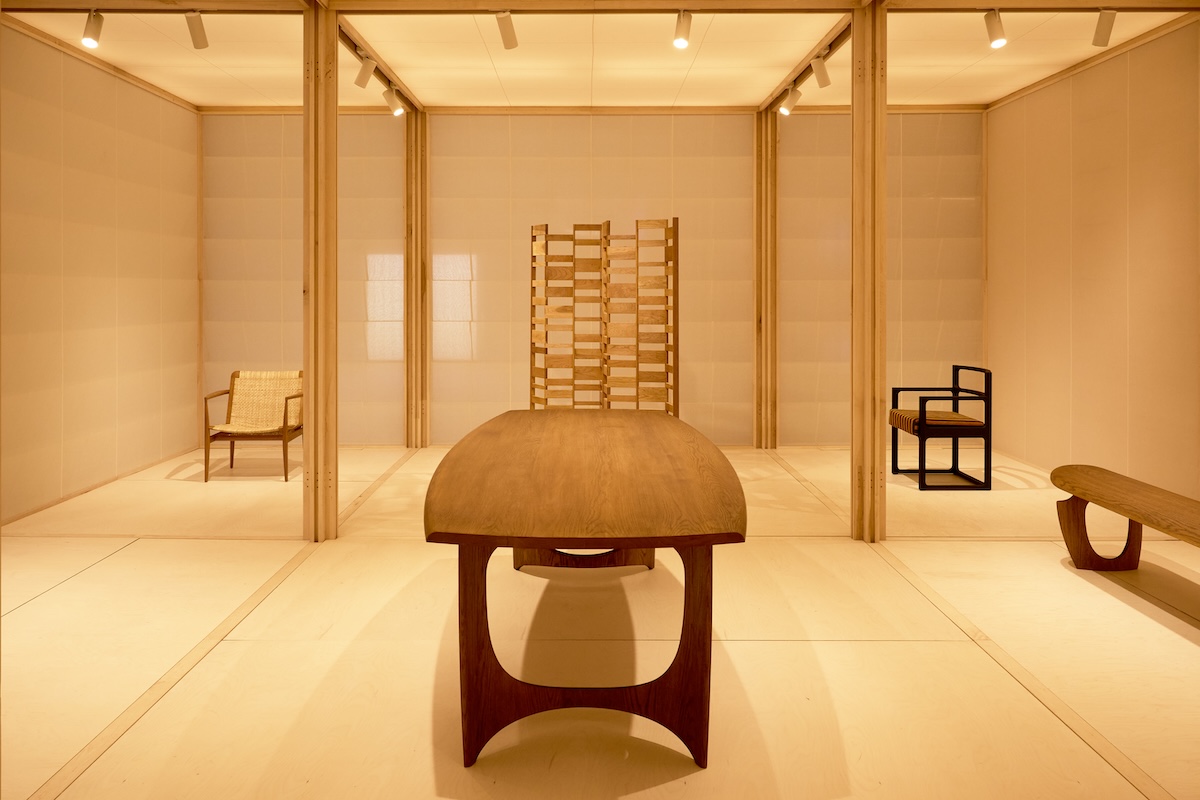
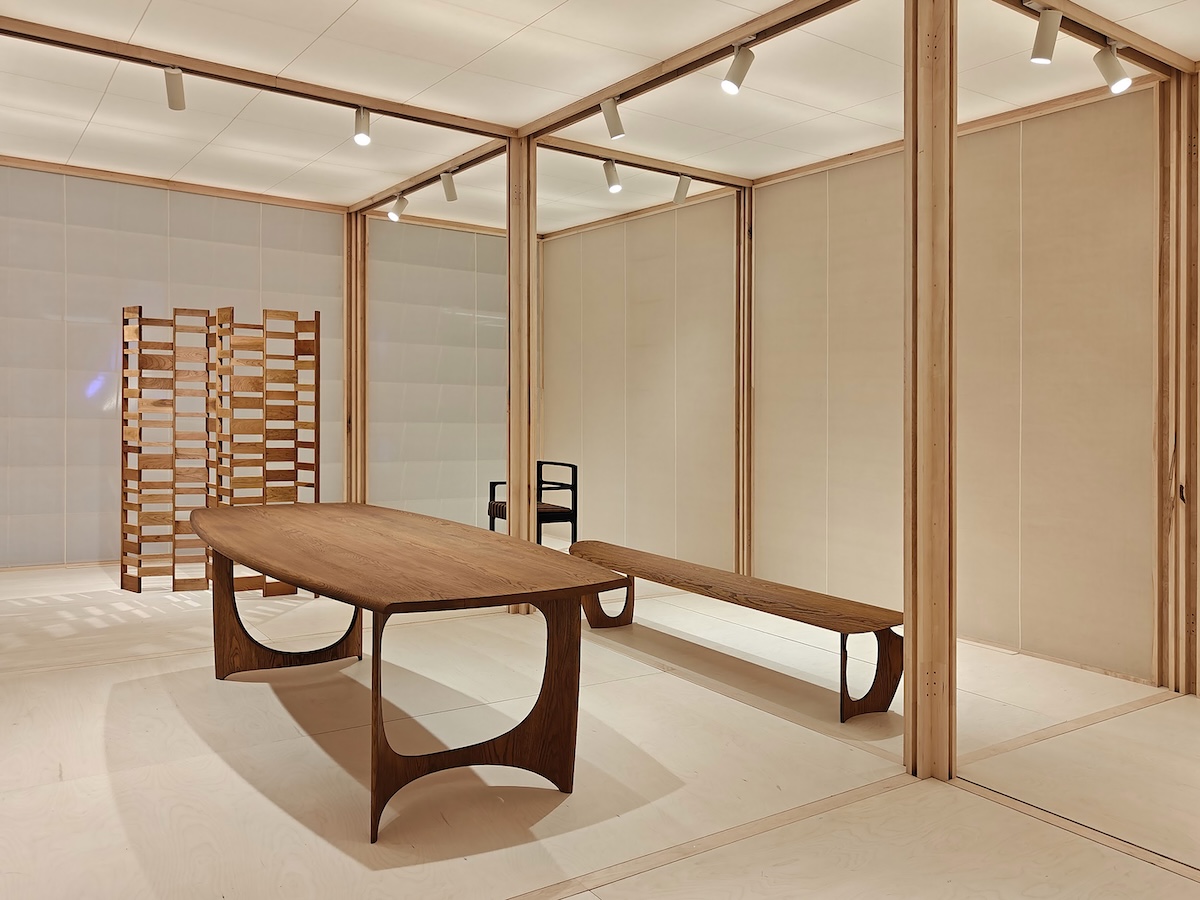
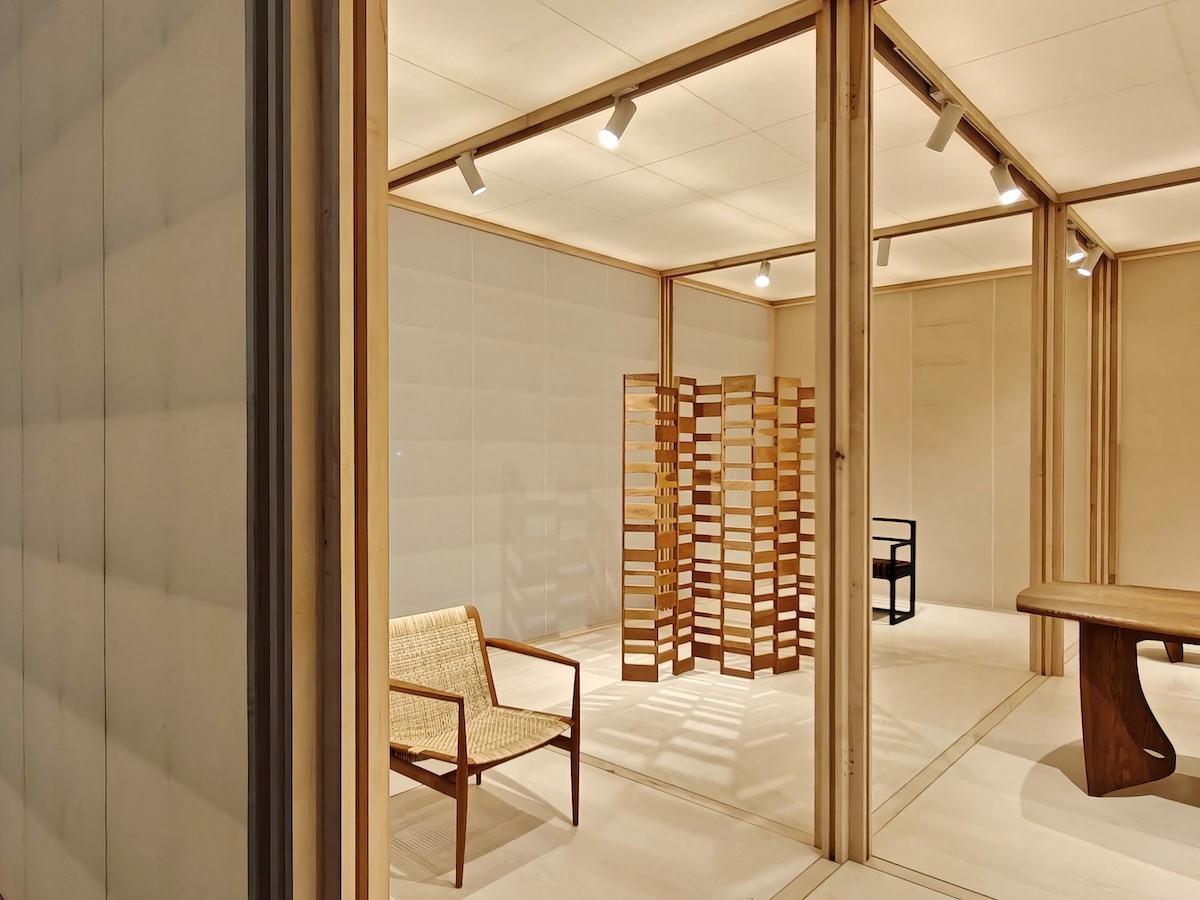
Screens and seating sit within a pavilion conceived as a strict grid of independent elements.
IMG LINK

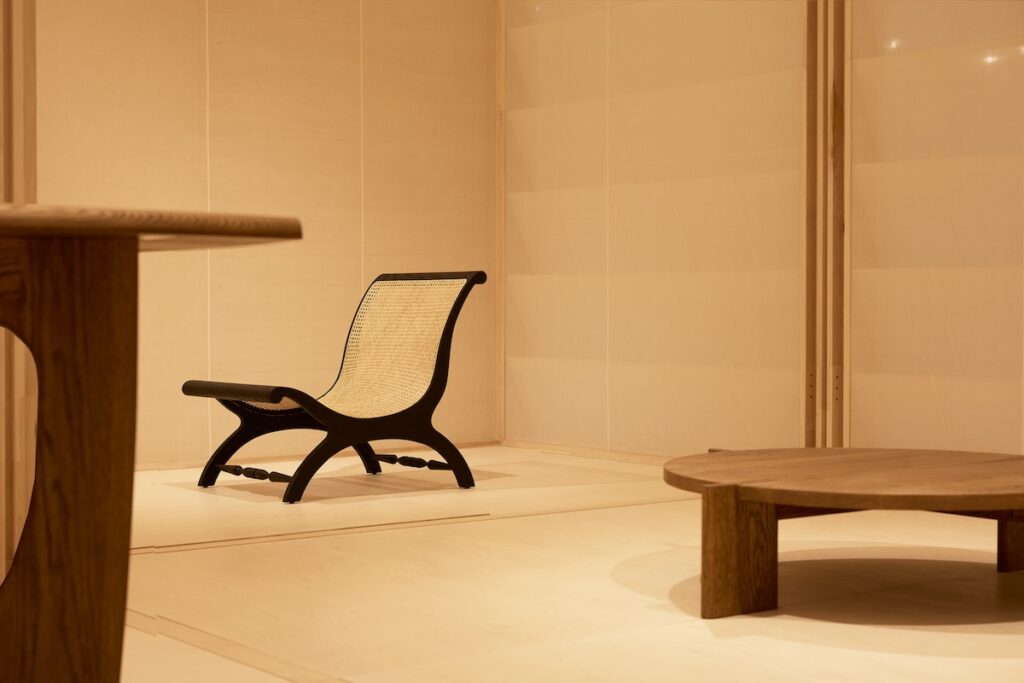
Furniture designed to be assembled and dismantled on site, reflecting Phantom Hands’ approach to making.
IMG LINK
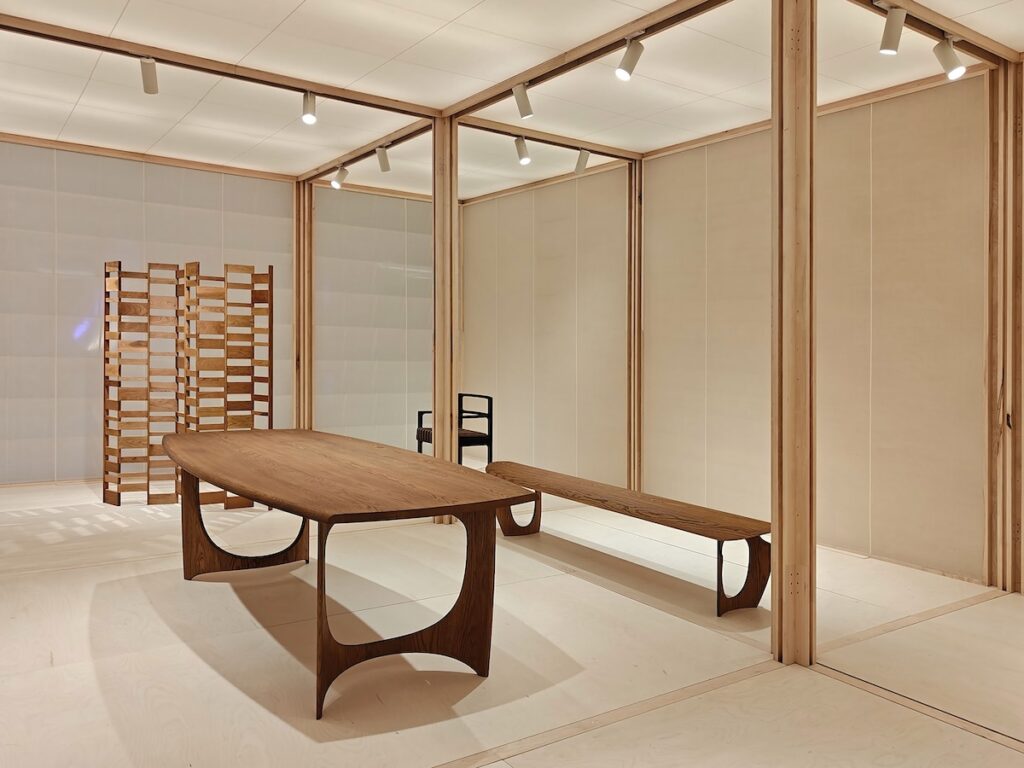
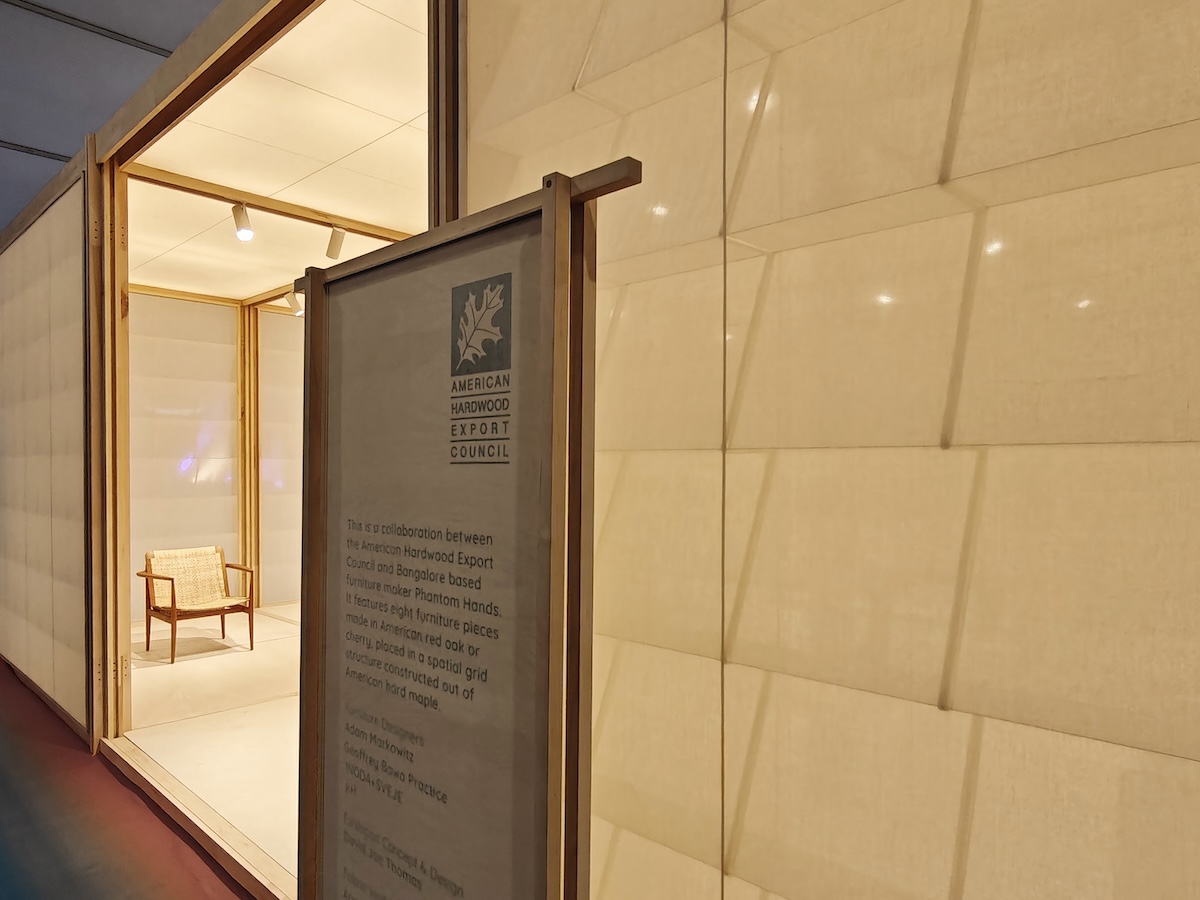
Furniture from the Re-editions collaboration presented within a demountable pavilion by Phantom Hands at Design Mumbai.
IMG LINK
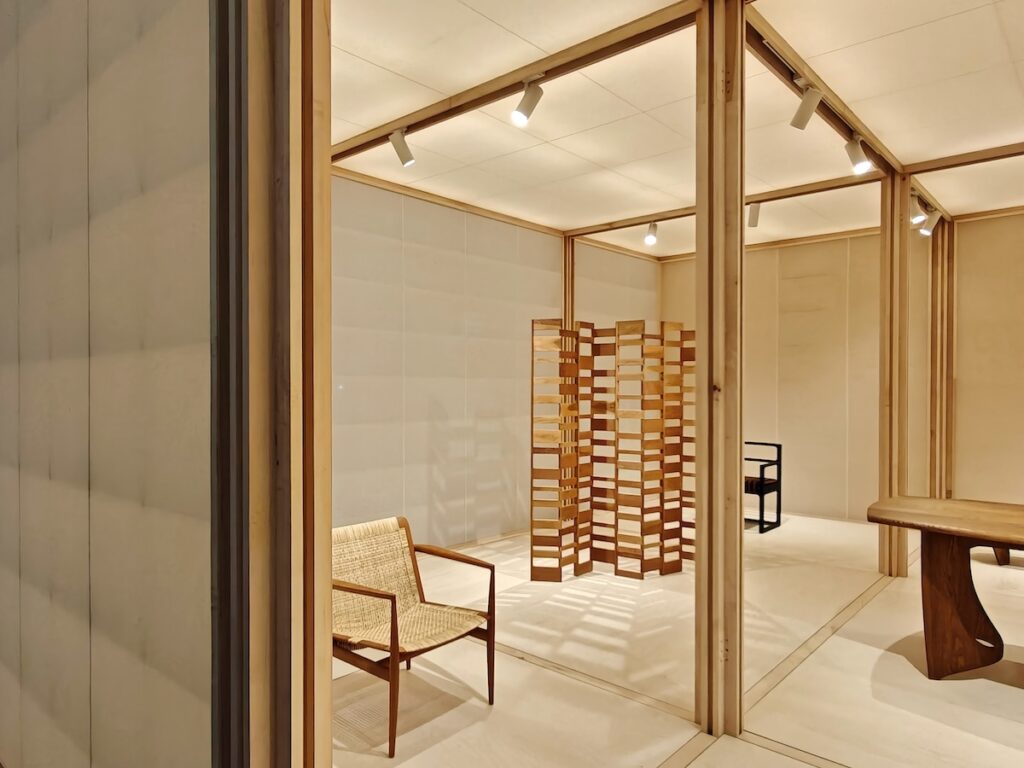
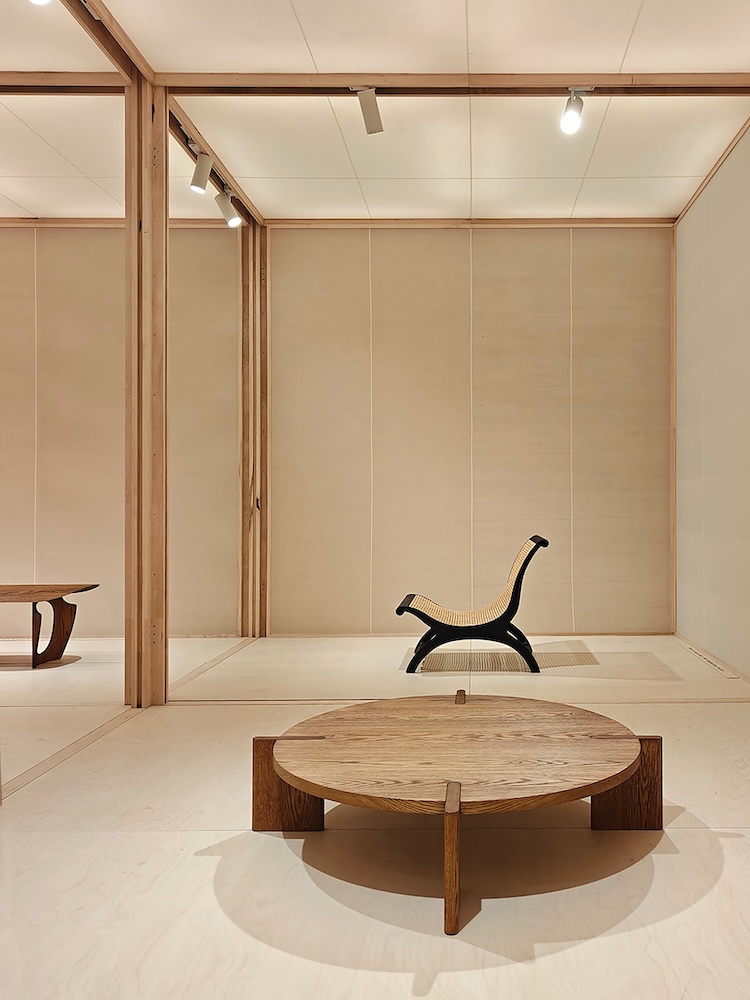
Re-editions brings together furniture, structure and material research within a compact exhibition environment.
IMG LINK
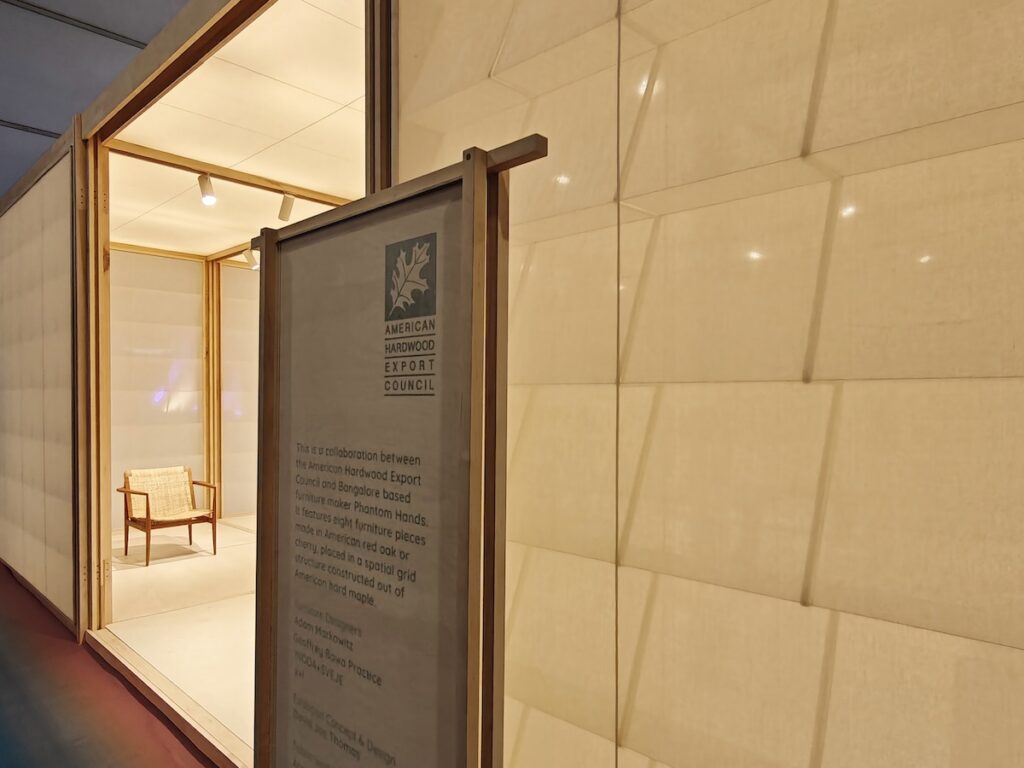
Re-editions, a collaboration between AHEC and Phantom Hands, unveiled at the second edition of Design Mumbai.
IMG LINK
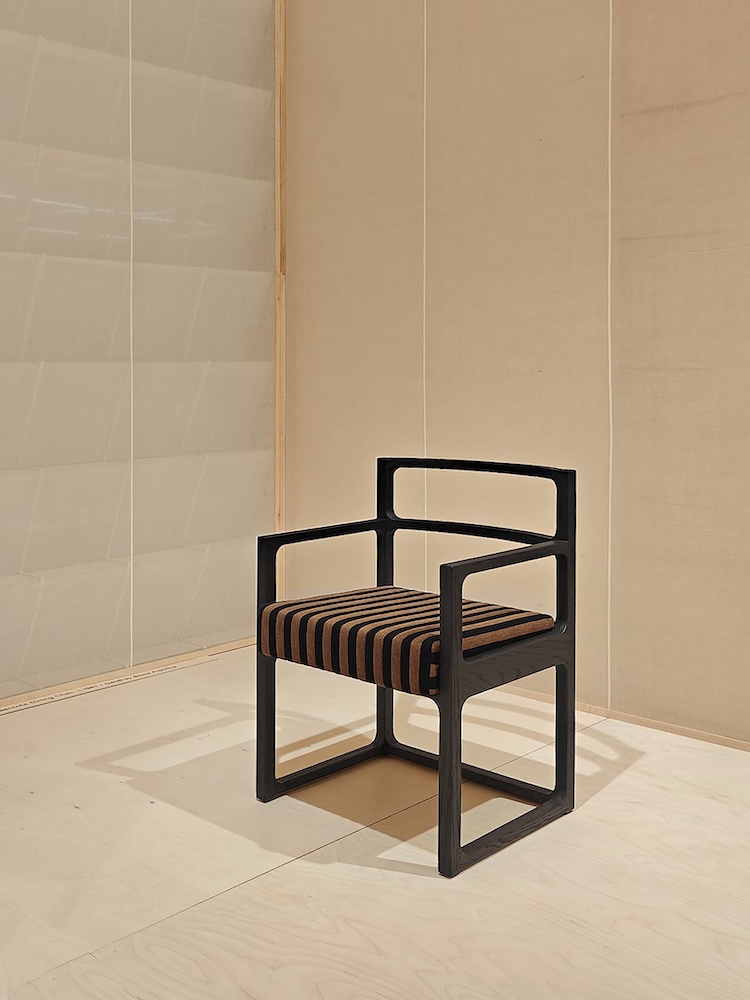
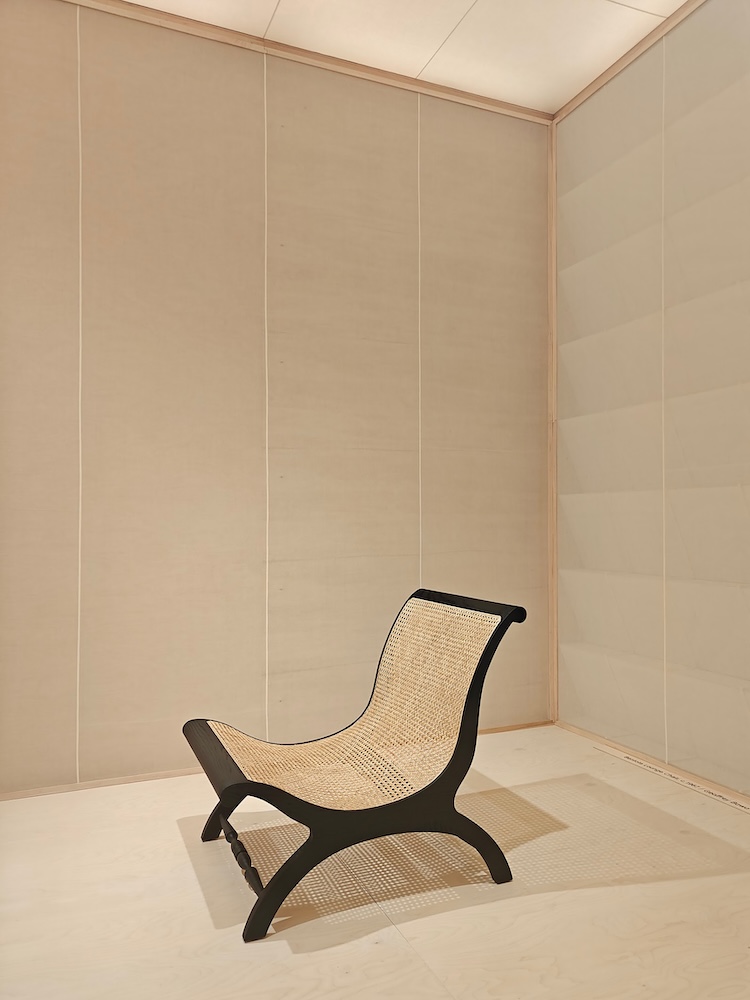
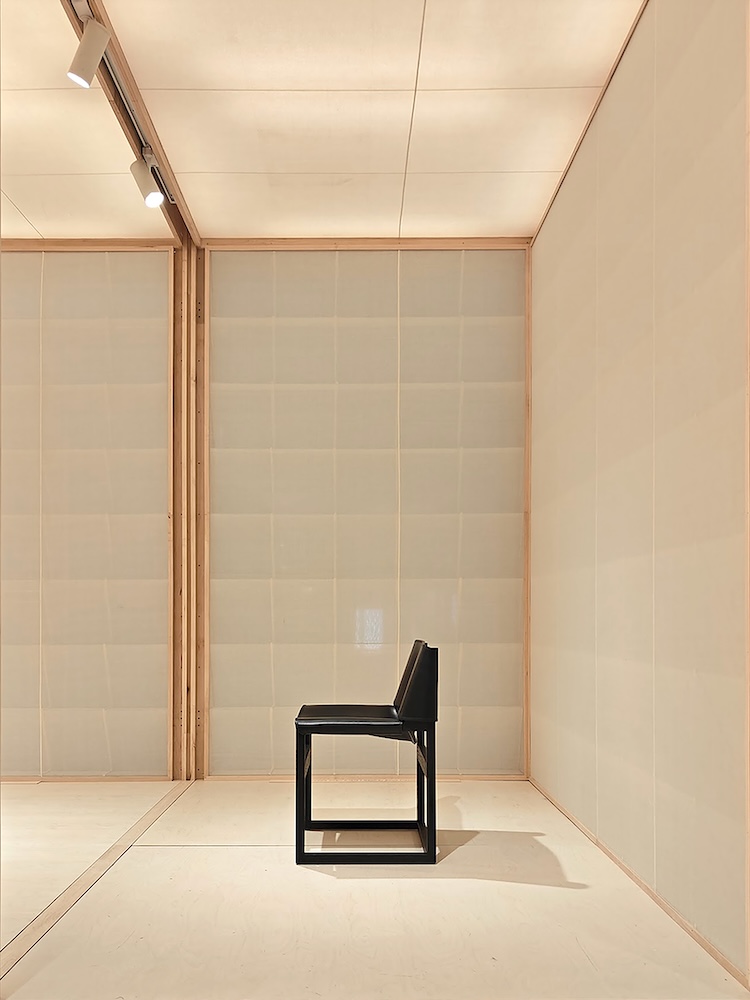
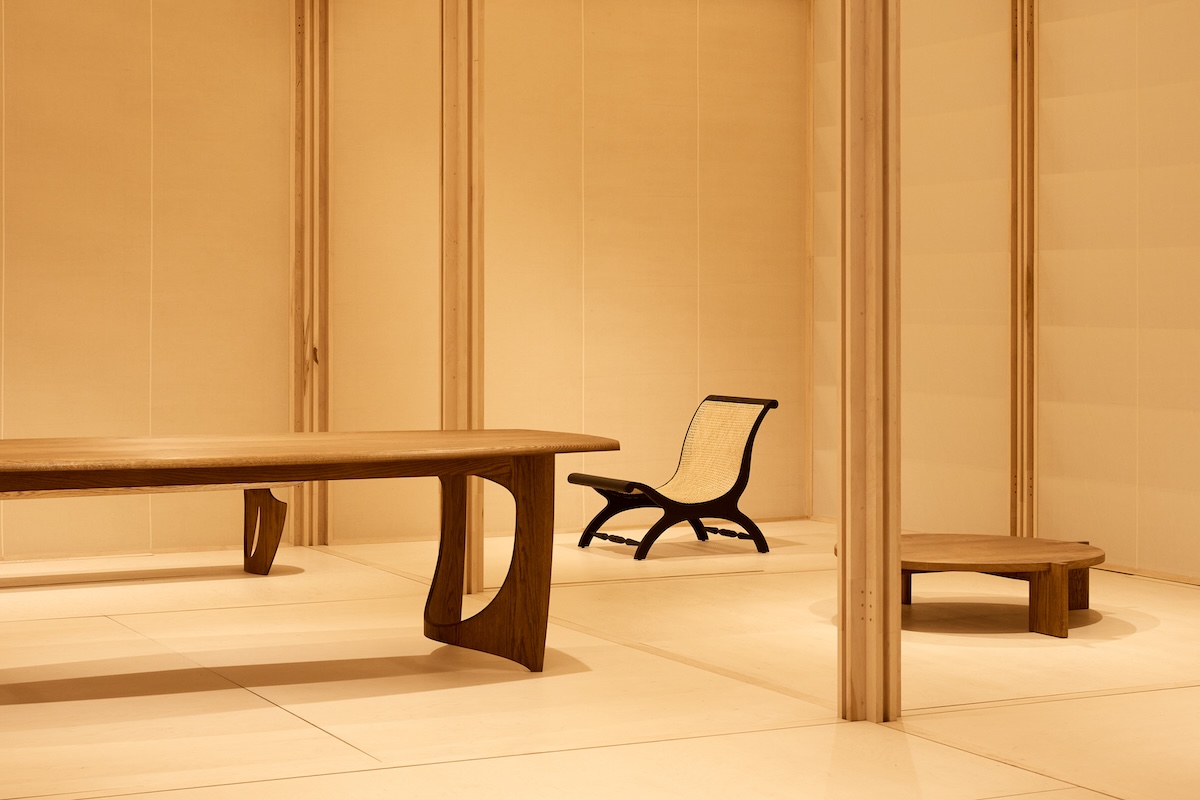
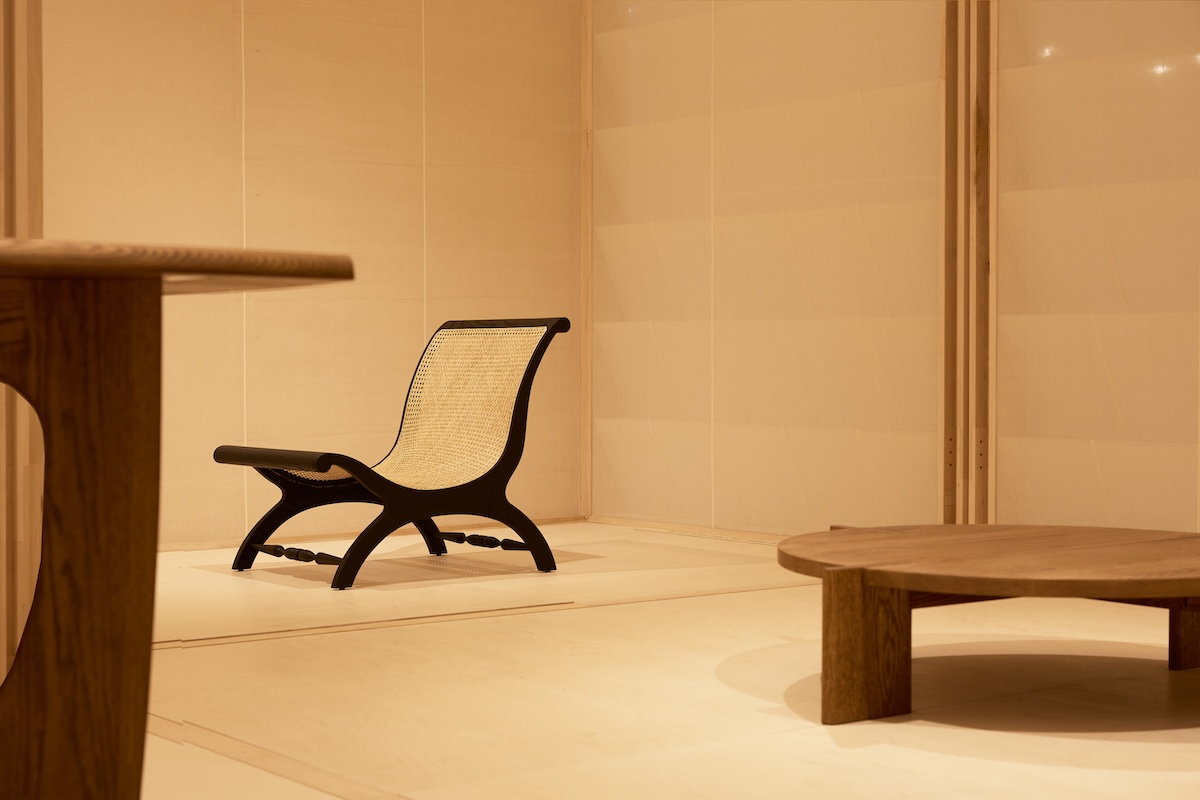
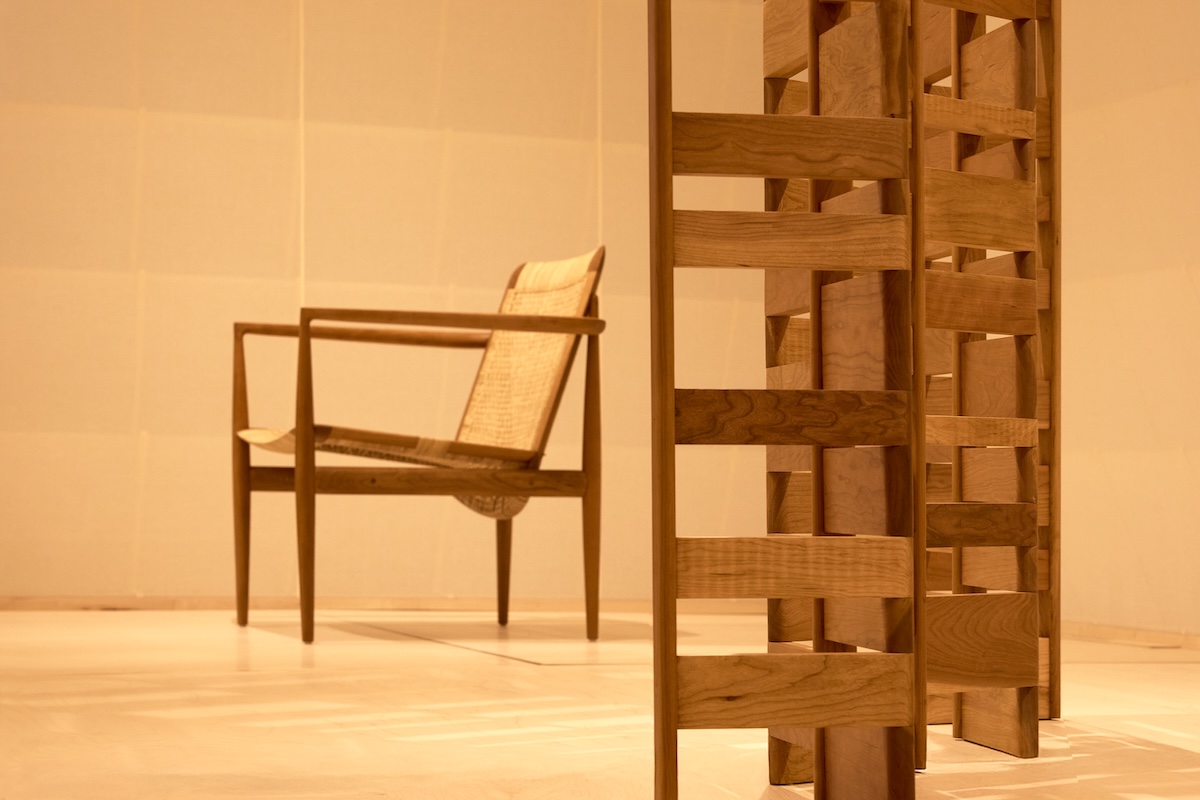
The Bentota Dining Chair, originally designed for Geoffrey Bawa’s spaces and re-edited for Re-editions.
IMG LINK
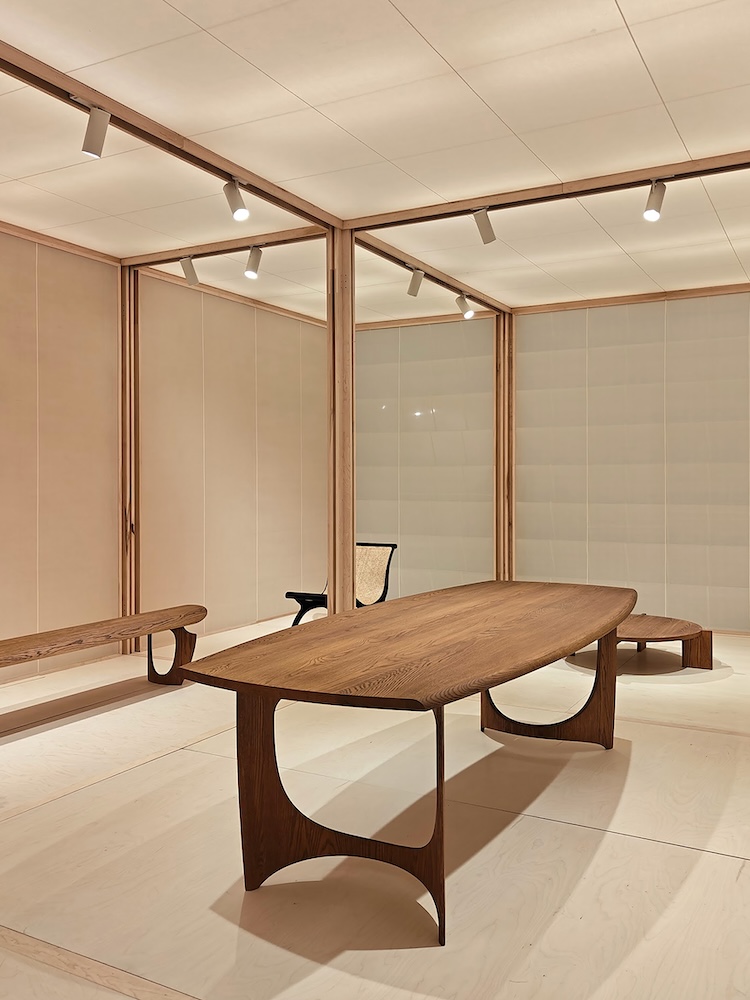
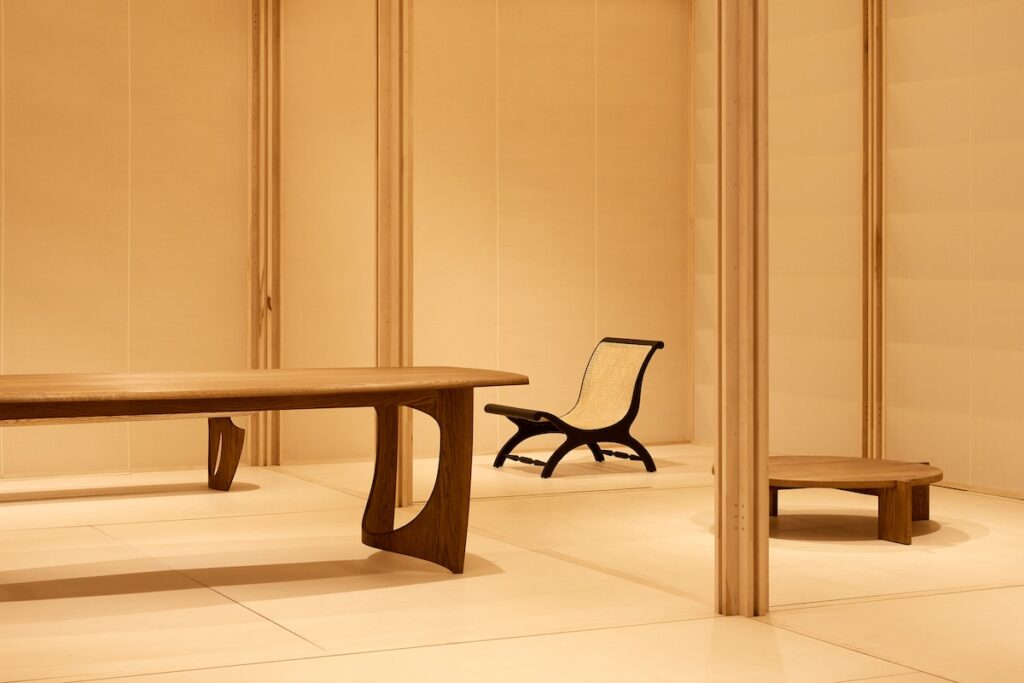
Pieces from the Re-editions collection arranged to emphasise proportion and material continuity.
IMG LINK
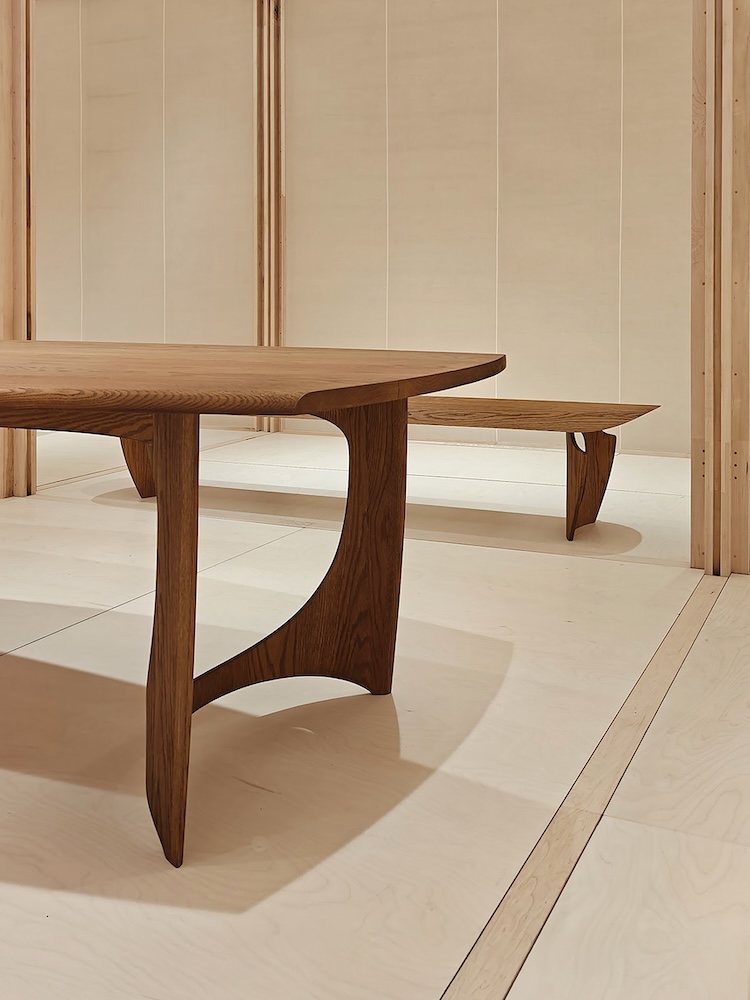
Dining table and bench by Adam Markowitz, developed through layered wood bending techniques.
IMG LINK
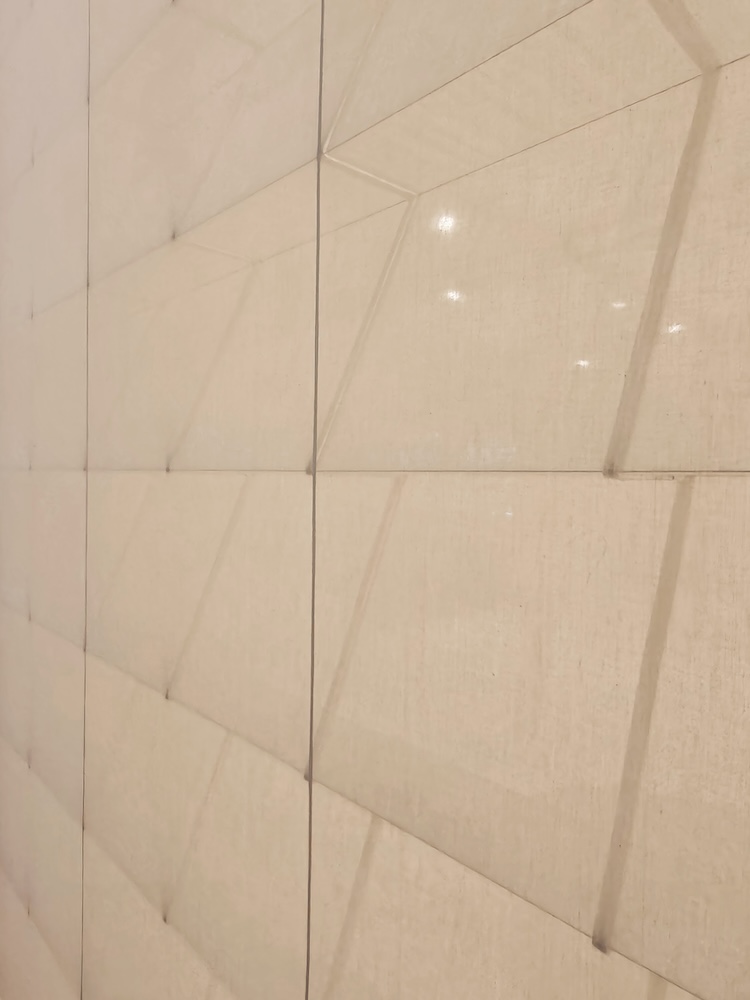
Fabric wall panels reference modernist architectural elements central to Phantom Hands’ design lineage.
IMG LINK
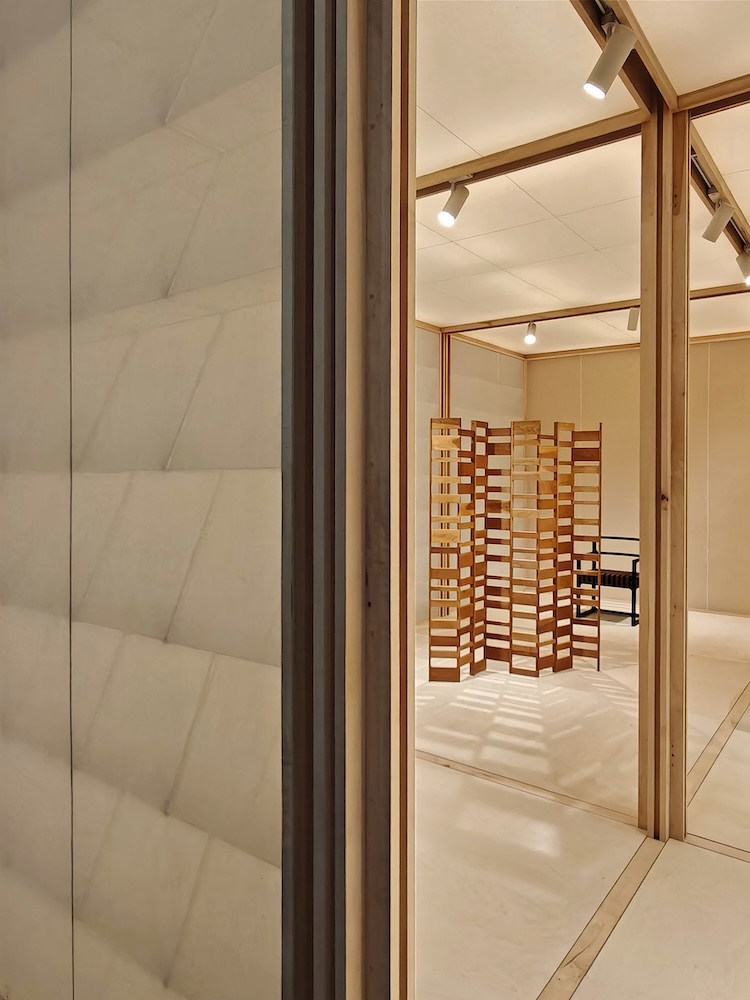
The pavilion connects furniture design and architectural structure as a single installation.
Re-editions, a collaboration between the American Hardwood Export Council (AHEC), the leading international trade association for the American hardwood industry, and Bangalore based furniture manufacturer Phantom Hands (PH), has been unveiled at the second edition of Design Mumbai in November.
The collection features eight pieces of furniture (tables and seating) each made in American red oak or cherry; designed by Dutch duo x+l, Japanese-Danish duo INODA+SVEJE, Australian architect and furniture maker Adam Markowitz and the iconic Sri Lankan Architect Geoffrey Bawa.
This latest collaboration builds on REFRACTIONS – a cross-cultural, international design collaboration – which introduced Phantom Hands to American hardwoods and to Adam Markowitz, an Australian architect and woodworker. This resulted in a small collection of furniture and lighting created with Markowitz, that specifically explored the technique of layered wood bending, well suited to American red oak, cherry and maple. According to Phantom Hands, the precision and prolonged focus required for this method turned out to be a deep dive into grasping some of the native characteristics of these new species.
“It was based on this experience that we decided to introduce American cherry and red oak into our current catalogue, for x+l, INODA+SVEJE and especially the colored pieces in the Bawa Collection,” said Deepak Srinath, Co-founder, Phantom Hands. “The move was well-weighed given that the Bawa Collection consists of re-editions of furniture designed by the late Sri Lankan architect Geoffrey Bawa for his spaces. A number of these were originally made with tropical hardwoods that are now difficult to source ethically or banned for export. Given the environmental credentials of American hardwoods, it made sense for us to incorporate them into our existing collections.”
At Design Mumbai, the eight pieces are placed within a microenvironment, organized as a strict grid structure with independent floor, ceiling and wall modules. The geometrical arrangement of fabric layers coupled with the dismantlable structure point to the origins of Phantom Hands, rooted in Chandigarh’s modernism – particularly Corbusier’s brise soleil such screens and Jeanneret’s furniture designs – such as the periodicals bookcase and the demountable chair. Bangalore-based architect, David Joe Thomas was commissioned to design the pavilion, which has been made using American hard maple and crafted by Phantom Hands.
The pavilion has been designed to accommodate the eight selected pieces made in American red oak or cherry. Since it had to be assembled at the fair site and dismantled once the event was over, the structure had to be light, transportable, and easy to unpack and construct. It also had to use American maple, the last of the three hardwood species from a donation by The Rossi Group, that Phantom Hands had yet to explore. Lastly, the pavilion had to reflect Phantom Hands’ design aesthetic and history. This would involve connecting a geographically alien wood to the mid-century modernist moment in India that was the point of Phantom Hands’ inception.
“Our decision to work with Phantom Hands was all about encouraging an accomplished and well-respected Indian furniture manufacturer to experiment with U.S. hardwoods. We knew that this would be a challenge, given that their work was all in teak and that temperate American hardwoods not only look different, but behave very differently as well. After many months of experimentation, knowledge transfer and a successful collaboration, Phantom Hands were more than willing to adopt American hardwoods into their body of work and across their collections. Bringing this to Design Mumbai was an obvious thing to do, as it would give us an opportunity to show India’s design community what is possible,” said Roderick Wiles, AHEC Regional Director.
The eight pieces that make up the Re-editions collaboration include: the Saddle Chair, Bentota Dining Chair and Bentota Lounge Chair, all in American red oak and designed by Geoffrey Bawa Practice; the x+l 14 Full Circle Coffee Table in American red oak and x+l 02 Room Divider by x+l in American cherry; the Tangāli Modular Armchair by INODA+SVEJE in American cherry; and a Dining Table and Bench by Adam Markowitz in American red oak. According to Wiles, Phantom Hands can be characterized by a dedication to thoughtful craftsmanship and traditional manufacturing techniques and these furniture pieces on display embody timelessness, in a world where throwaway culture is becoming the norm.
“Timber remains at the heart of our work, but this new chapter pushes the exploration beyond furniture. At its core, our collaboration with AHEC is an ongoing experiment, an attempt to understand what unfamiliar woods can do on their own terms and now to integrate them into the milieu of Indian furniture in an authentic way. It’s a learning curve, and the Design Mumbai pavilion became both its testing ground and its showcase – an ambitious, unexpected project that revealed how our relationship with wood and designing with it, is evolving,” concluded Aparna Rao, Co-founder, Phantom Hands.
More information: americanhardwood.org and phantomhands.in
More green updates