
Dulux Colour Awards 2026: Finalists Announced
IMG LINK
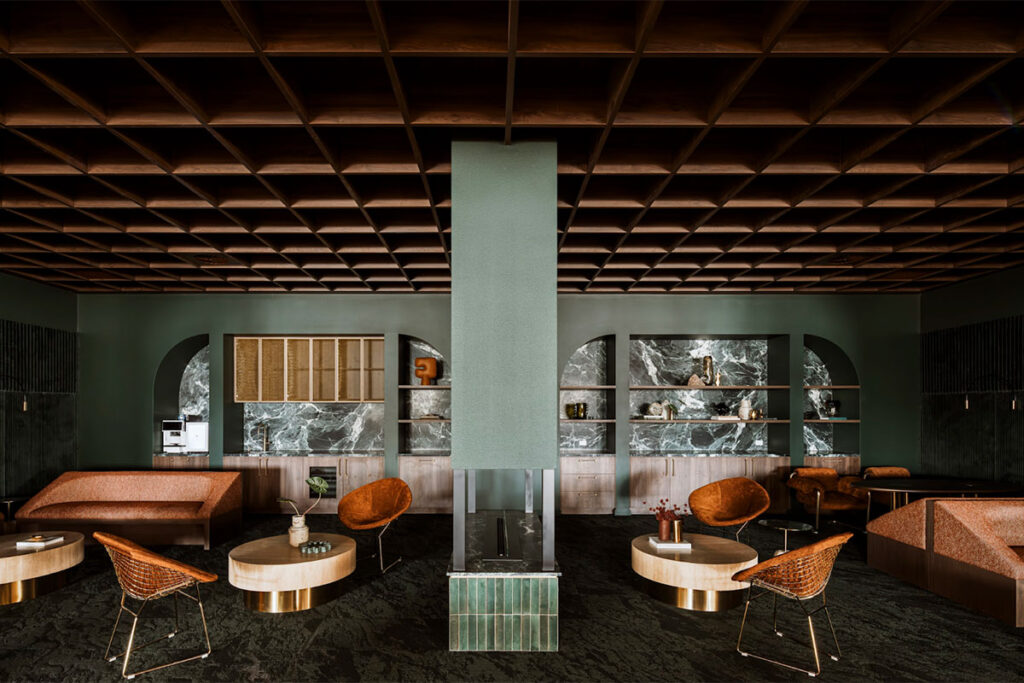
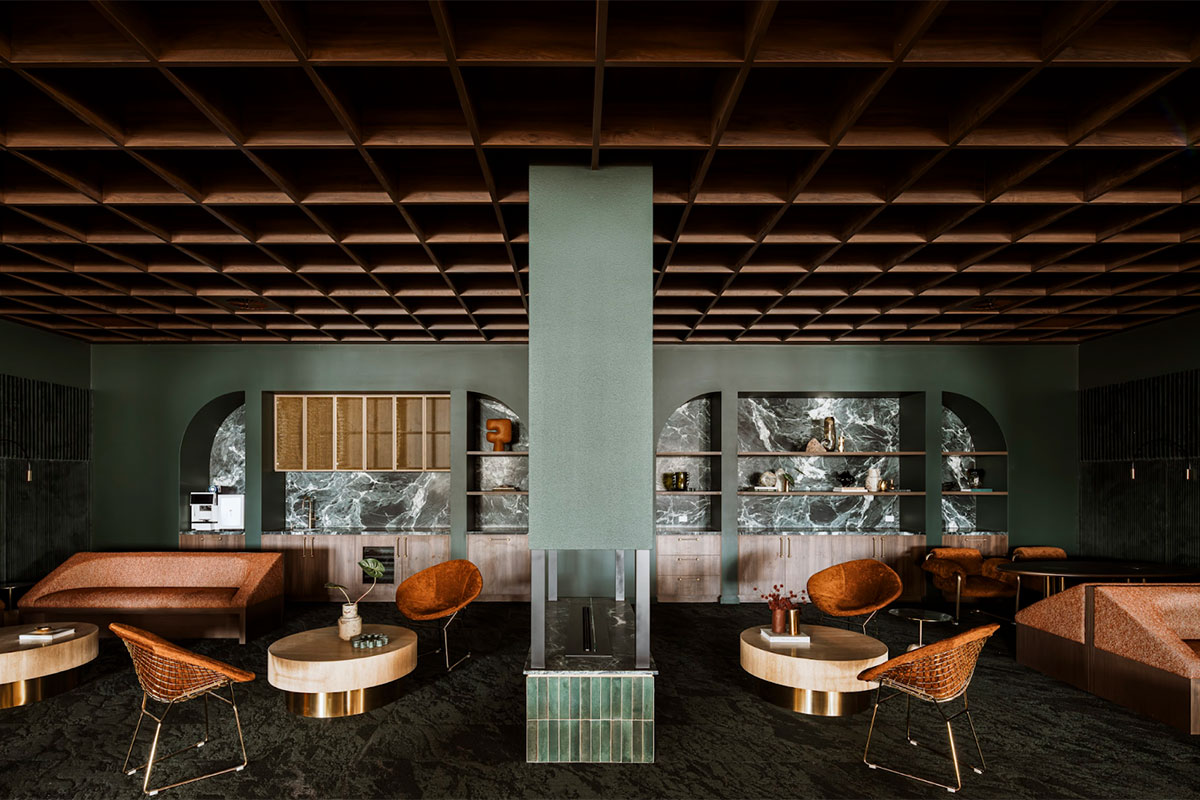
The Springs Country Club (QLD) by Palm Lake Works Pty Ltd - Commercial Interior - Public & Hospitality
IMG LINK
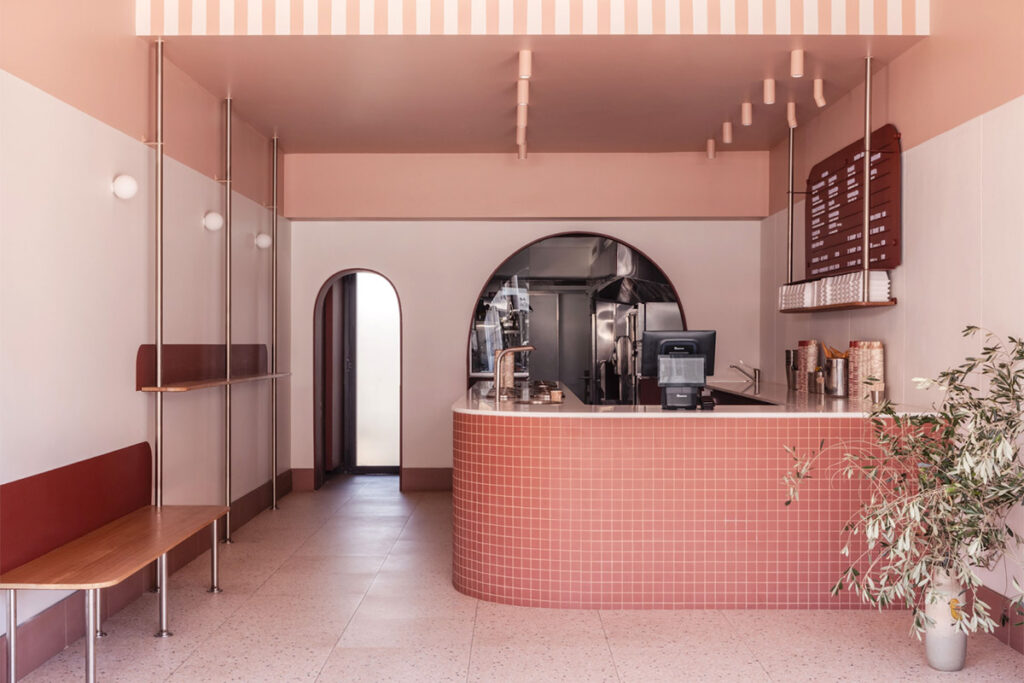
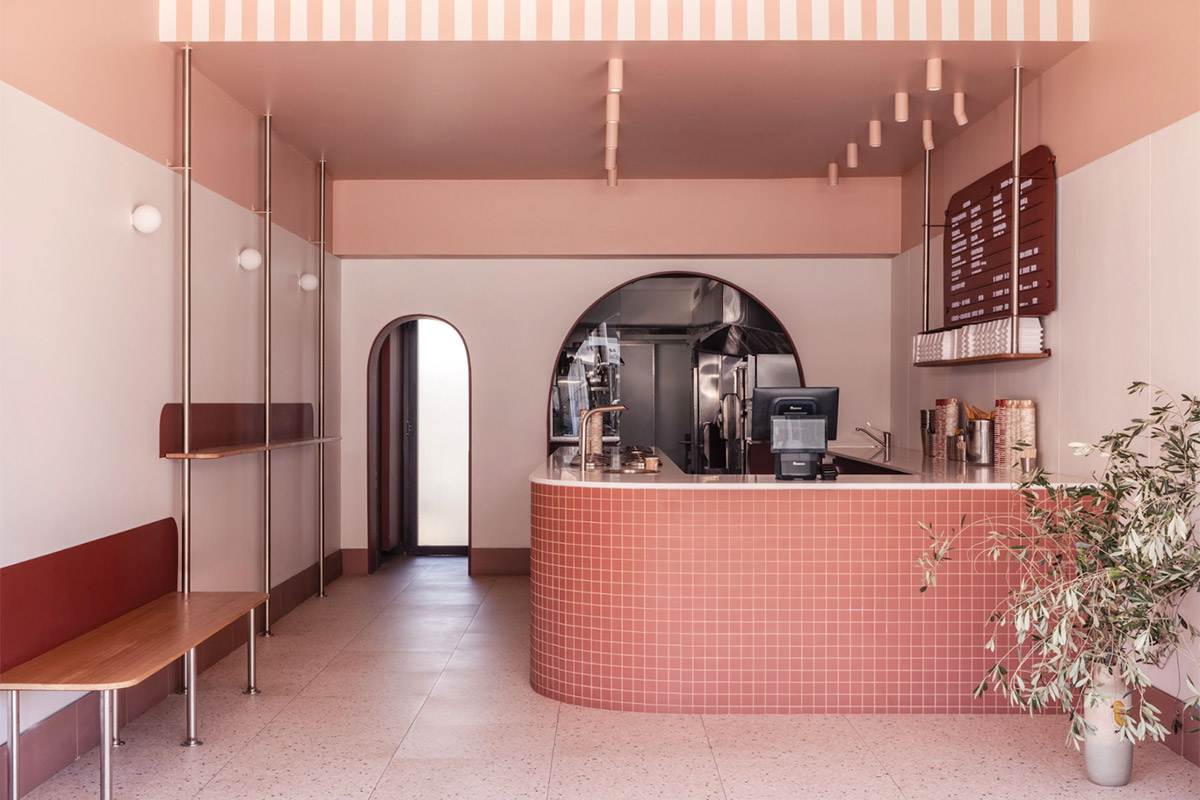
Dulux Colour Award Finalist 'The Springs Country Club QueenslLunetta Gelateria (NSW) by Bastian Architecture - Commercial Interior - Workplace & Retail.
IMG LINK
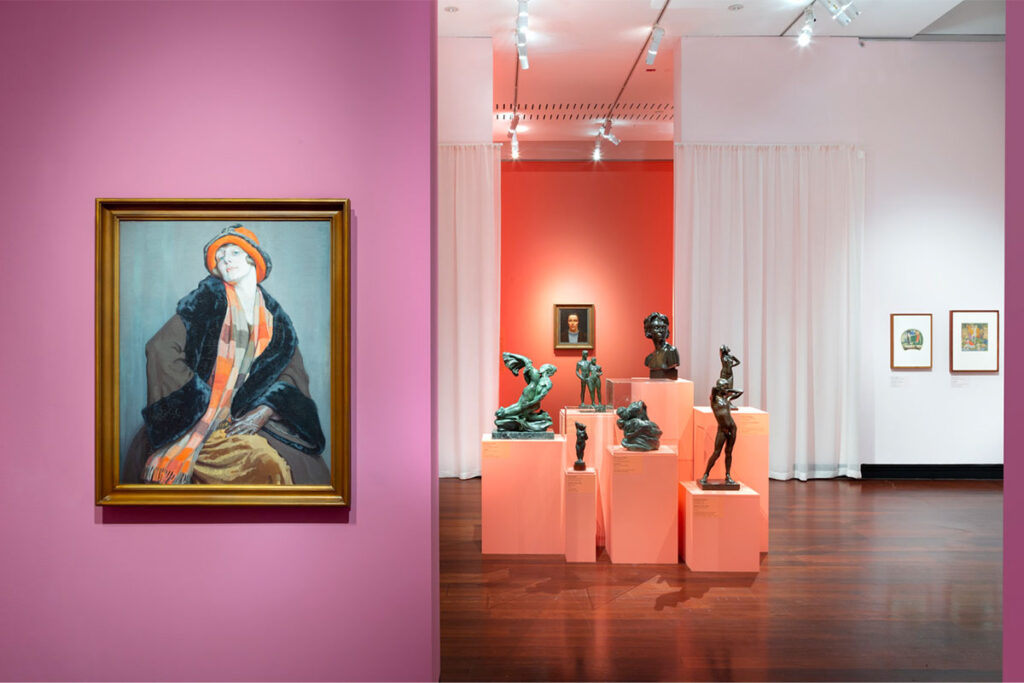
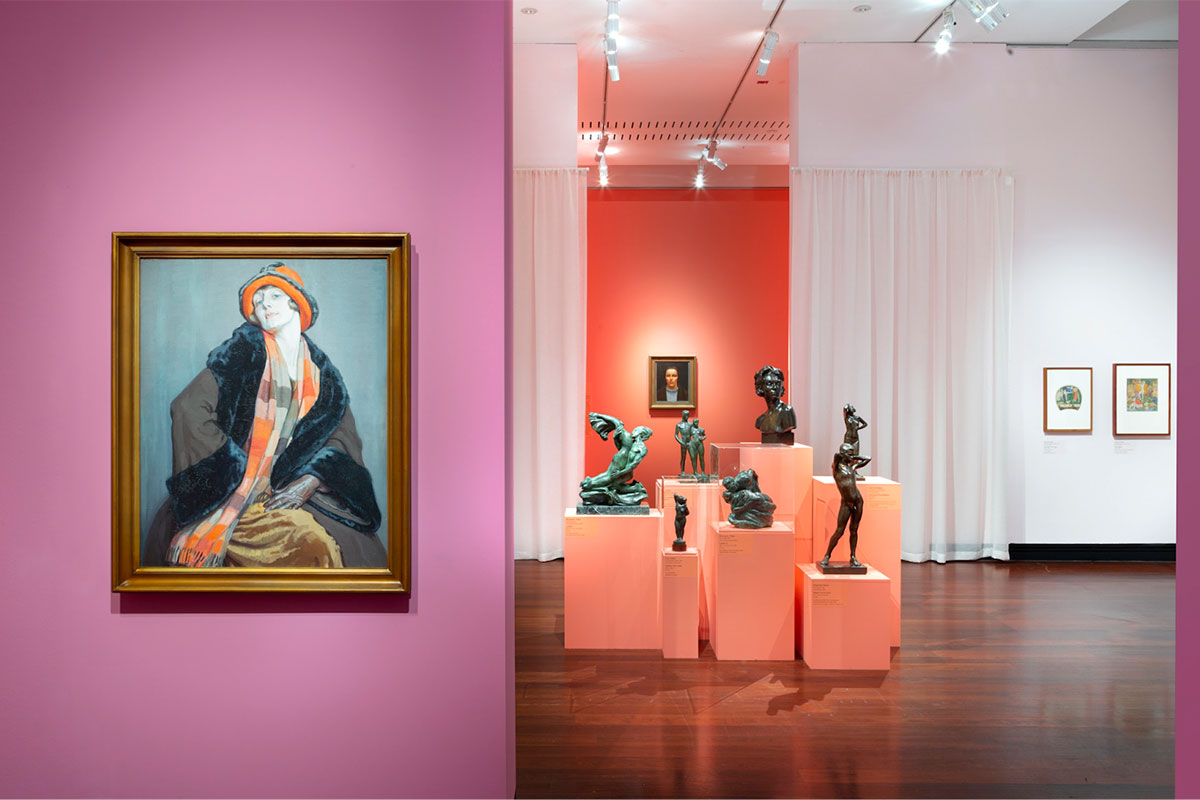
AGSA Dangerously Modern Exhibition (WA) by Grieve Gillett Architects - Temporary or Installation Design
IMG LINK
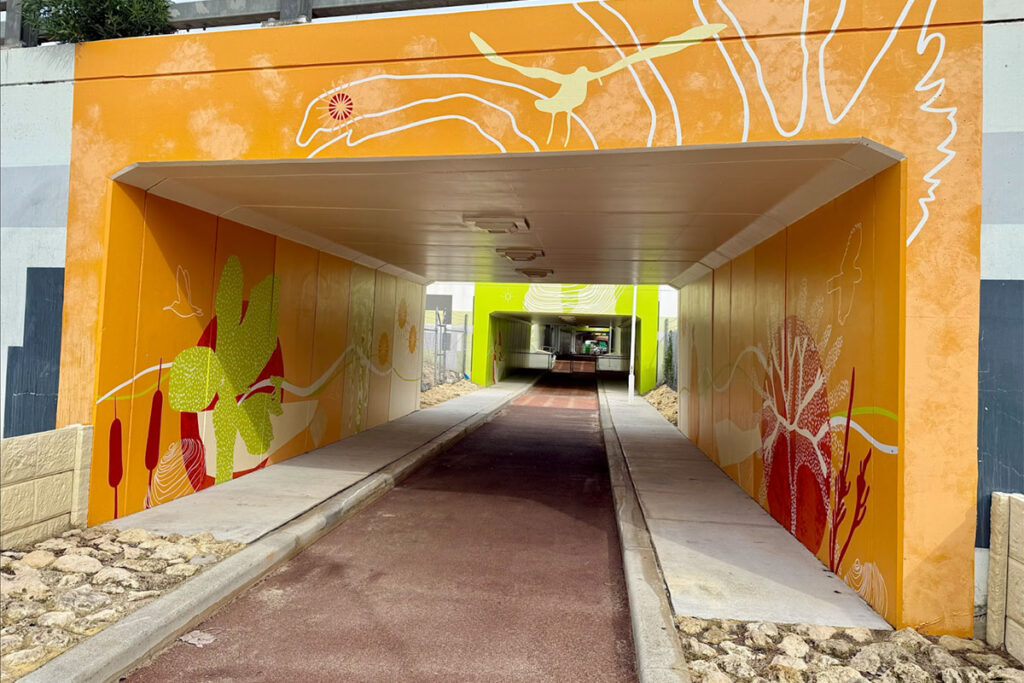
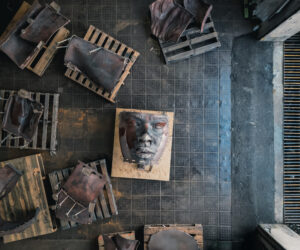
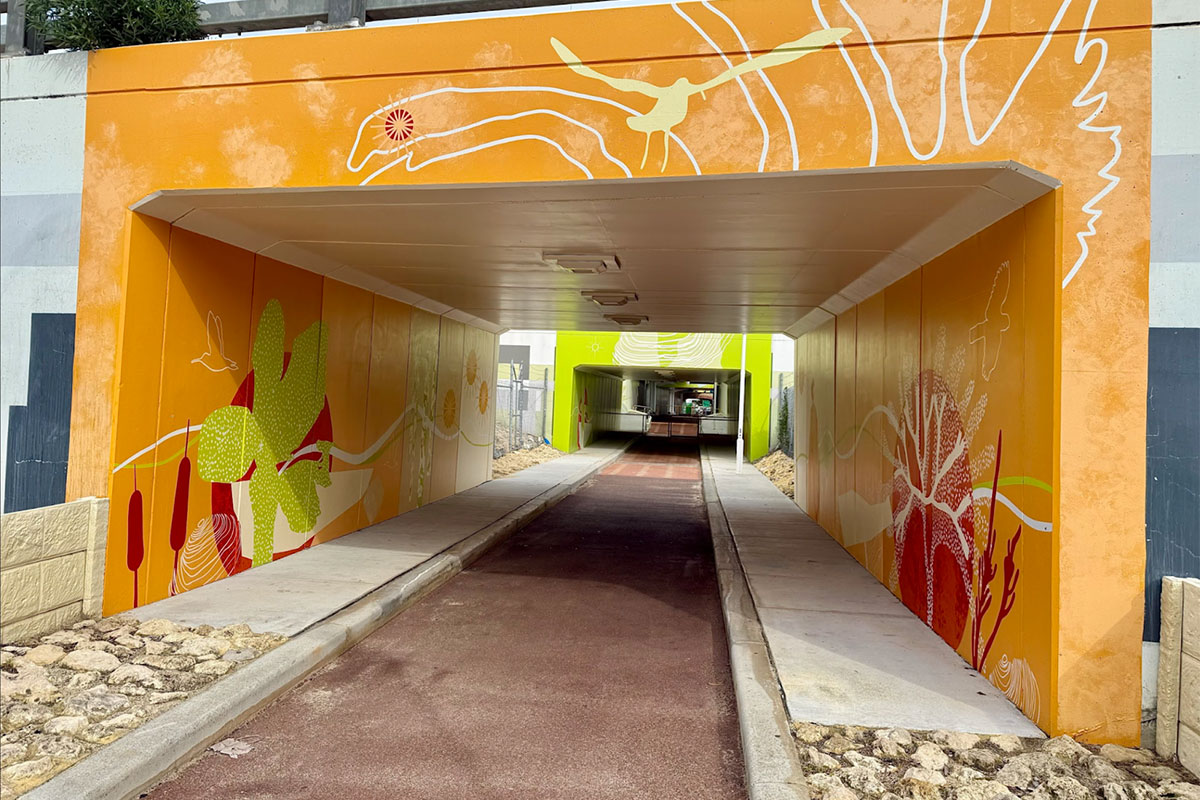
Currambine Station Underpass – Currents (WA) by Sioux Tempestt - Commercial and Multi Residential Exterior
2026 marks the 40th anniversary of the prestigious Dulux Colour Awards, the premier awards program recognising innovative, original and ambitious use of colour in the built environment. Widely regarded as an industry vanguard, the Dulux Colour Awards have elevated this intrinsic element of design and increased the appreciation of colour over forty years of competition, resulting in a record number of more than 540 entries from Australia and New Zealand this year. From these, 94 finalists have been selected by a panel of five esteemed design and architecture professionals.
This year’s prolific participation compelled the judges to deliberate extensively to determine the shortlist in the eight award categories: Commercial Interior – Public and Hospitality; Commercial Interior – Workplace and Retail; Commercial and Multi-Residential Exterior; Residential Interior; Single Residential Exterior; Temporary or Installation Design; Student AU and Student NZ; and the ultimate prize for the best overall projects, the Australian and New Zealand Grand Prix awards.
Dulux Colour and Design Manager Lauren Treloar observes how far the program has come, boasting more categories and entries than ever, representing the growth and calibre of the design industry as a whole. “It is fitting that in this landmark year we are celebrating such remarkable numbers, but it is the talent and expertise of the region’s design and architecture professionals that we are truly applauding; they constantly astound us with their accomplished mastery of colour and it is our privilege to recognise them in our program.”
In the Residential Interior category, the number of short-listed projects represents nearly one third of the total number of finalists. “The calibre of the entries made it especially challenging to narrow the field,” says judge Sarah-Jane Pyke, Principal of Arent&Pyke. “While warm whites are still reigning, there are some exquisite deeply hued treatments that stand out, particularly dark-toned ceilings, painted stairs and nuanced details on architraves and skirtings.”
A standout this year according to the judges has been the Residential Exterior category, where entries were similarly impressive, with palettes demonstrating contextual appreciation, be they the greyish greens of Victoria’s Bellarine peninsula bushland, the cool blues of a Sydney harbourside vista or the reddish autumnal highlights of a rural New Zealand landscape.
If there is a dominant chromatic theme across this year’s finalists, it is red – particularly burgundy, and rust or brick reds with brown undertones, which feature in numerous typologies, from restaurant interiors and residential additions to heritage homes and medium-density, multi-residential developments where graduated hues add texture or define form. “We love the power that a single hue has to create impact and completely change the perspective,” says Alix Smith, Principal of Hassell. “These reds have a chameleon-like potential, able to exude warmth or drama in interiors, depending on the tone and application, or to blend with a built-up urban setting as well as within a natural environment.”
By contrast, several outstanding projects sport more polychromatic palettes, with contrasting colours used in bold graphic applications to enliven forgotten urban pockets, such as underpasses and thoroughfares. “These are prime examples of vibrant placemaking in which colour transforms banal built elements into memorable landmarks,” says Treloar. “Such mastery evident in these finalists’ projects demonstrates how the calibre of colour use has increased exponentially over the past forty years, to this point when we can confidently say that architects, designers, students and specifiers not only appreciate the potential of colour to transform the built environment but are able to manipulate and innovate to enhance perspective, form, spatial understanding and user experience.”
Take the finalists in the Commercial Interior categories for example. Representing the broadest range of project types, the list includes a rehabilitation centre, country club, bath house, brewery, language school and hotel. Despite this programmatic diversity, there is a strong unifying factor, namely the sophisticated application of highly considered palettes. Very little white is evident, unless it’s contrasting black to graphic effect. Blues and greens appear in public spaces, while deep reds characterise the hospitality interiors.
Rounding out the categories is a trio of refined exhibitions in Temporary or Installation Design and a suite of masterful student proposals from Australia and New Zealand.
“Regardless of scale, scope or setting, the proficiency of colour use evident in this year’s finalists is testament to the exceptional calibre of architecture and design professionals practising in our region,” says Treloar. “These finalists exemplify the goals and purpose of our awards program, attesting to the quality and range of Dulux paints in the most remarkable projects and applications.”
“Along with our judges, Simone Haag, Interior Decorator; Ben Peake, Principal at Carter Williamson Architects; Buster Caldwell, Director of Wonder Group; Sarah-Jane Pyke, Principal of Arent&Pyke; and Alix Smith, Principal of Hassell, we look forward to celebrating the 40th anniversary of the Dulux Colour Awards at a Gala Event at Bennelong, within the Sydney Opera House, on May 27, 2026.”
For further information on this year’s finalists, judging criteria and terms and conditions, visit dulux.com.au/colourawards
More green updates