

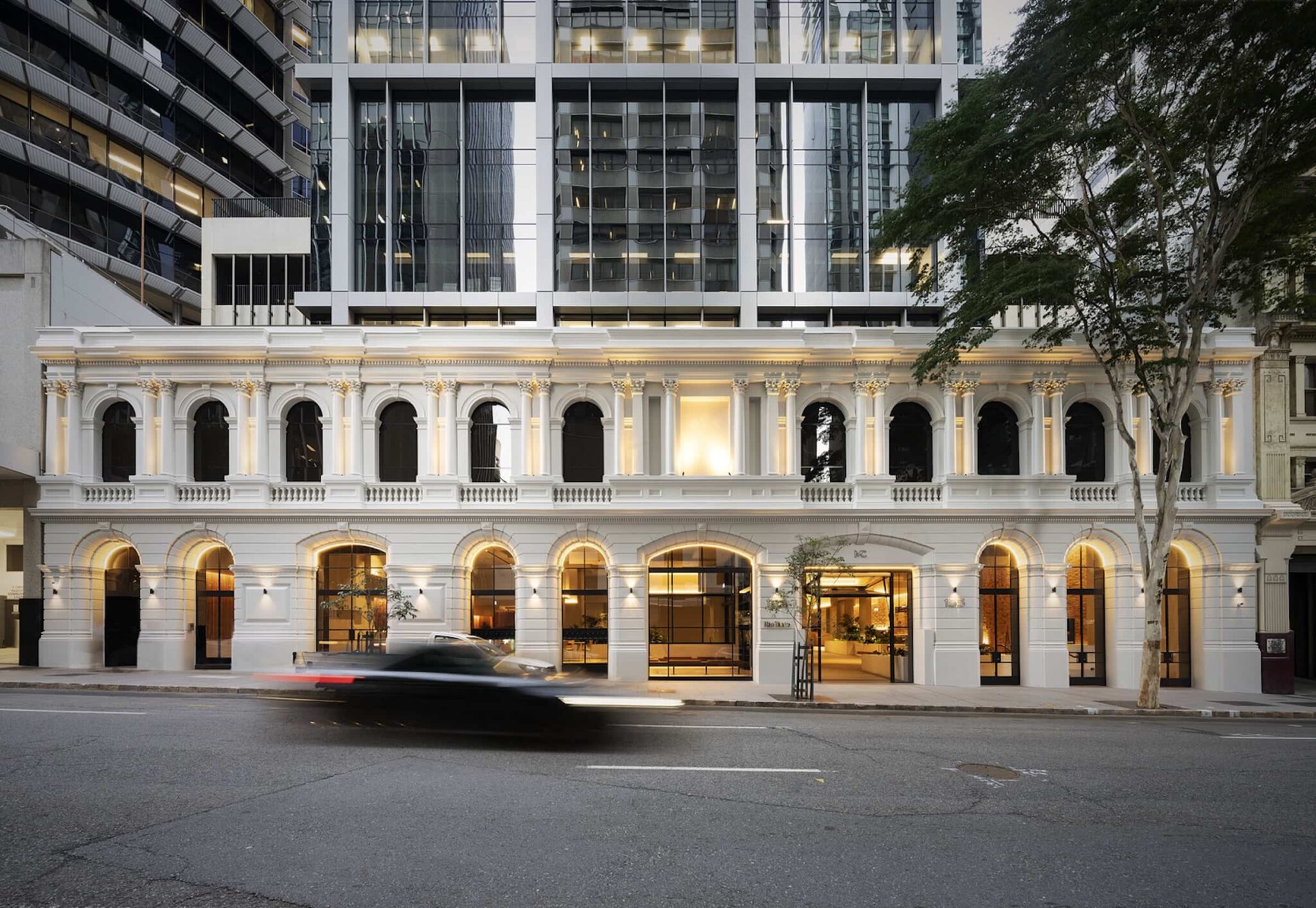

New Research Reveals Strong Employee Appetite for Adapting & Reusing Workplaces
IMG LINK
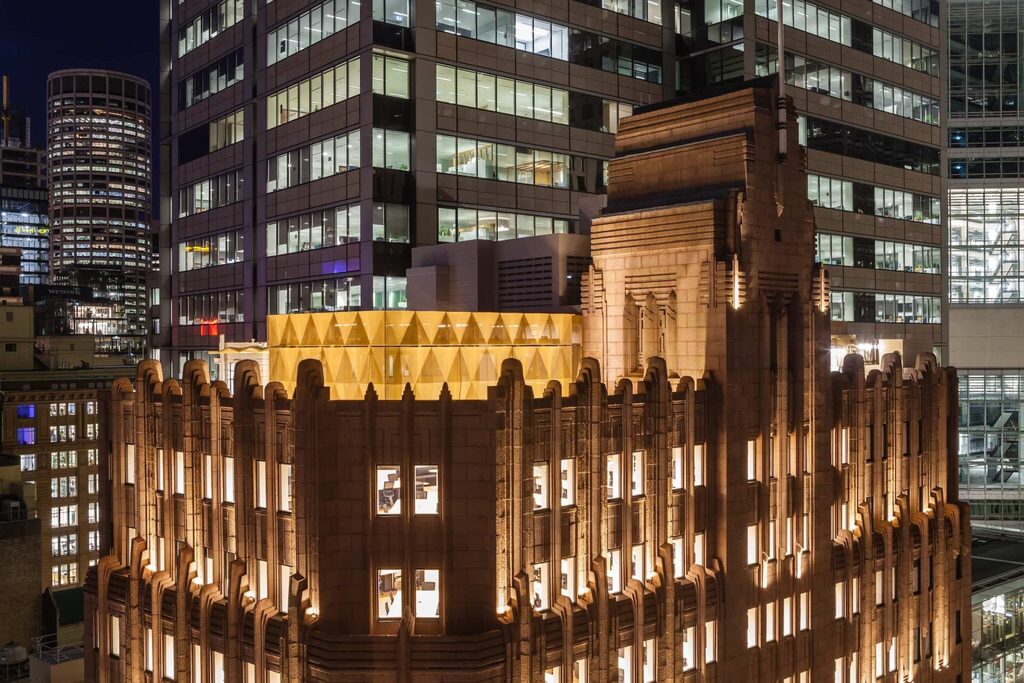
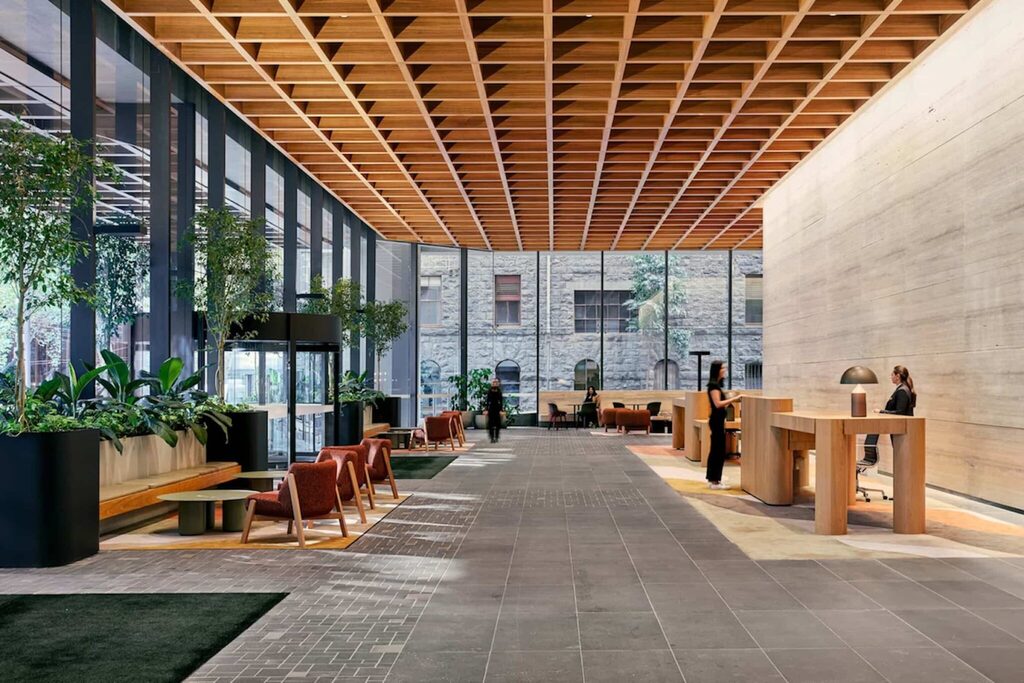
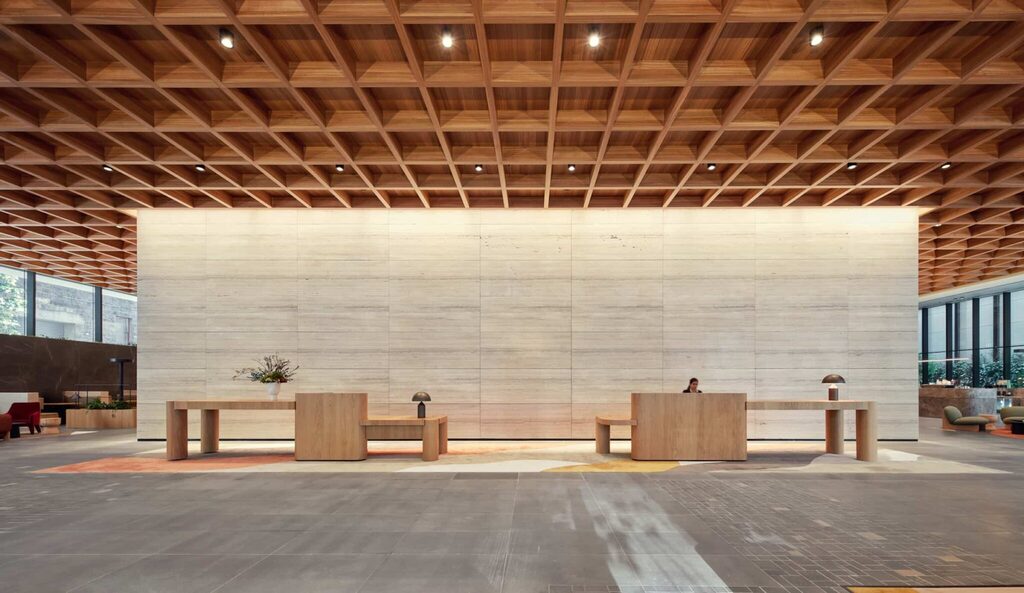
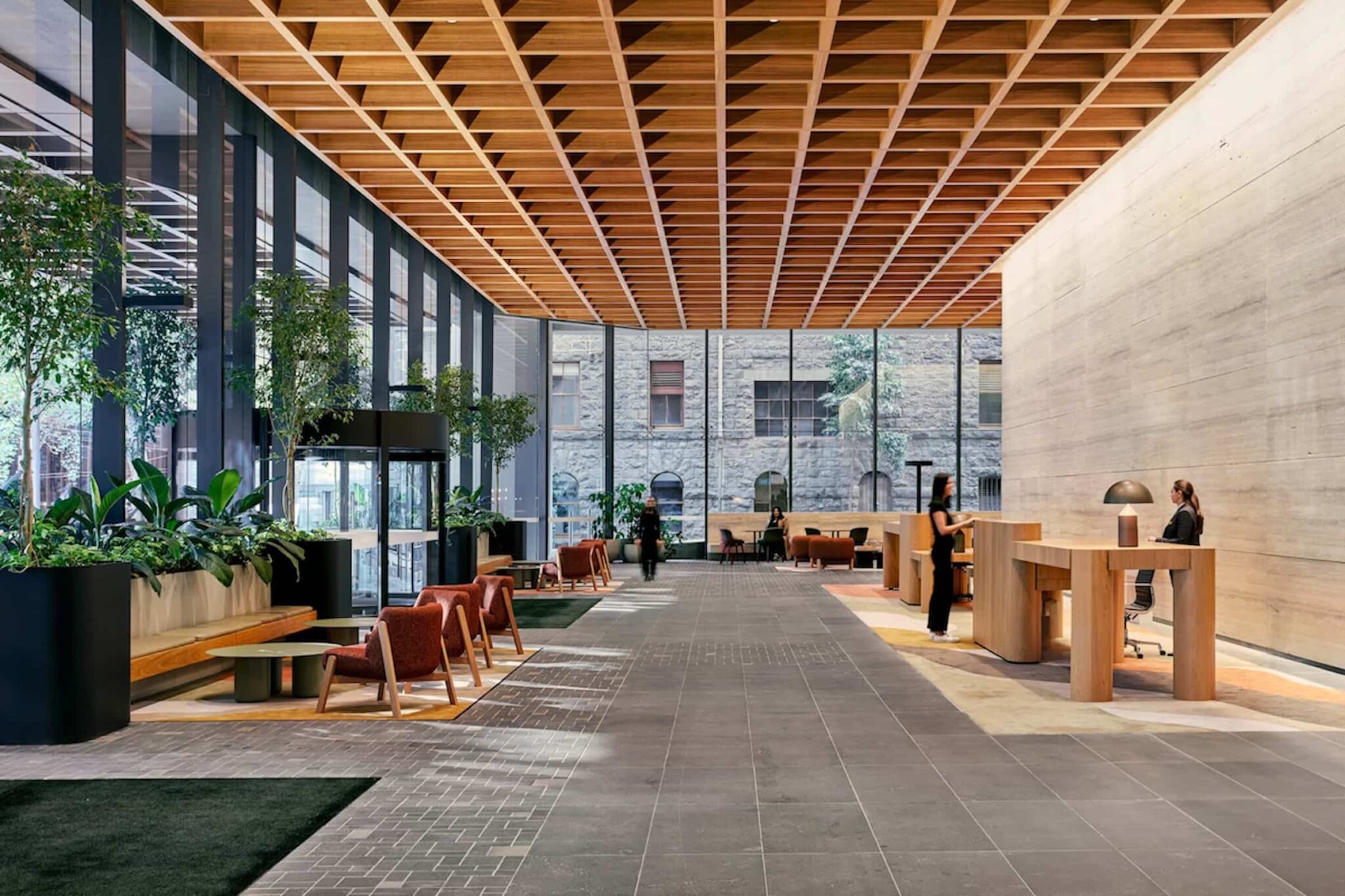
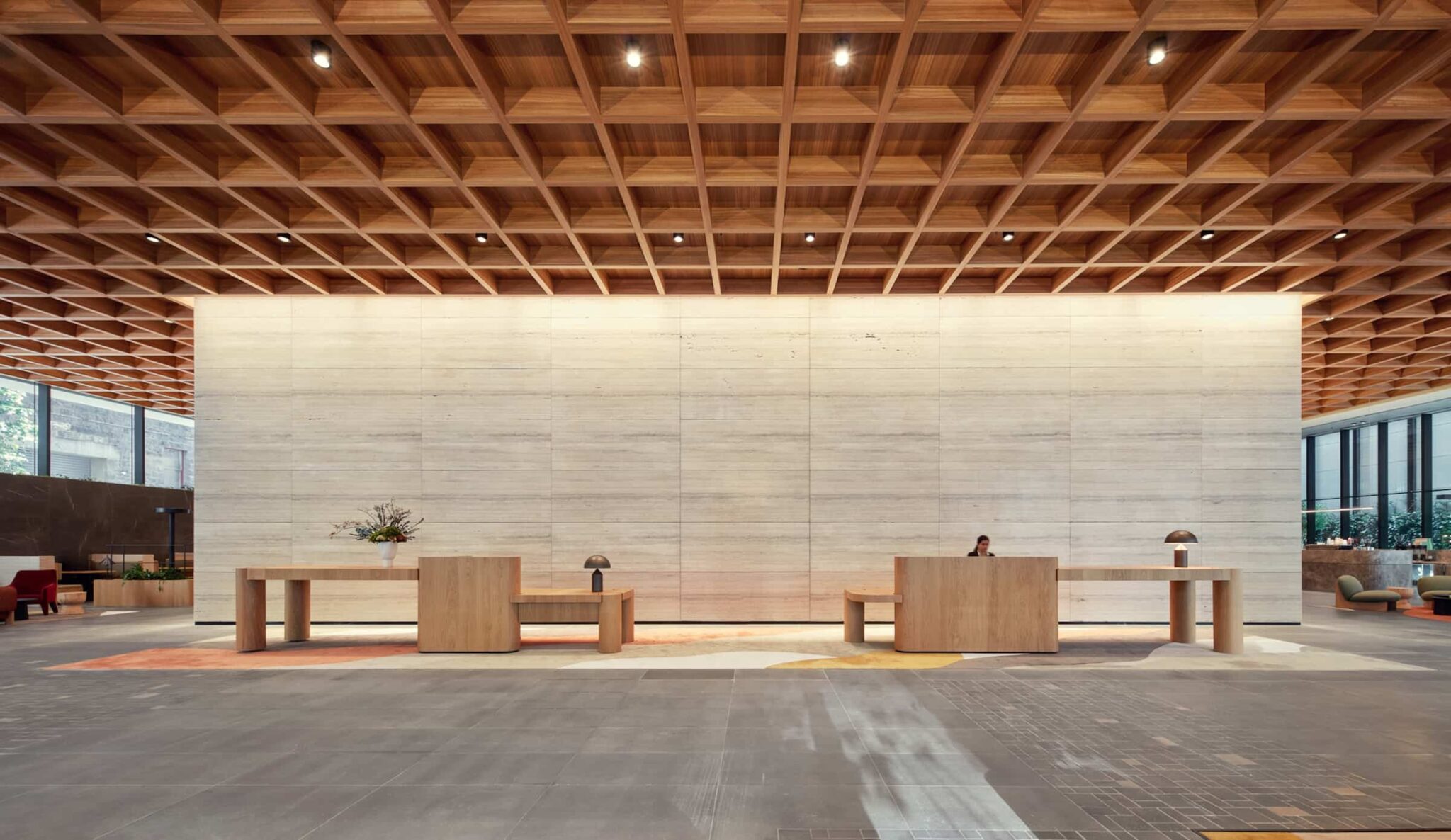
66 King Street, Sydney, demonstrating the transformation of an existing commercial building through adaptive reuse.
IMG LINK
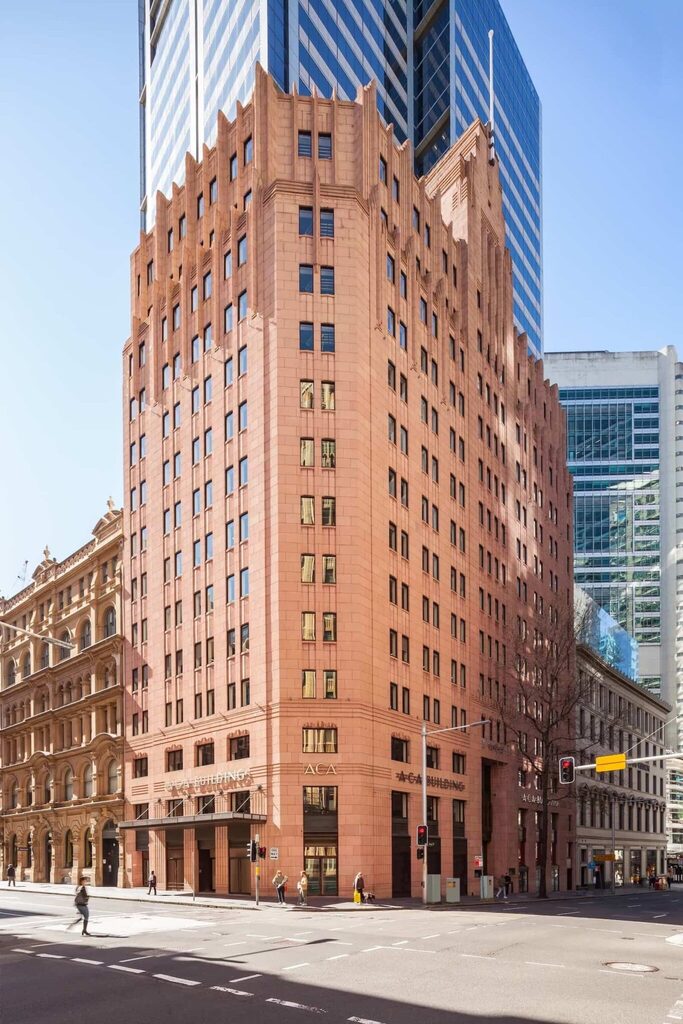
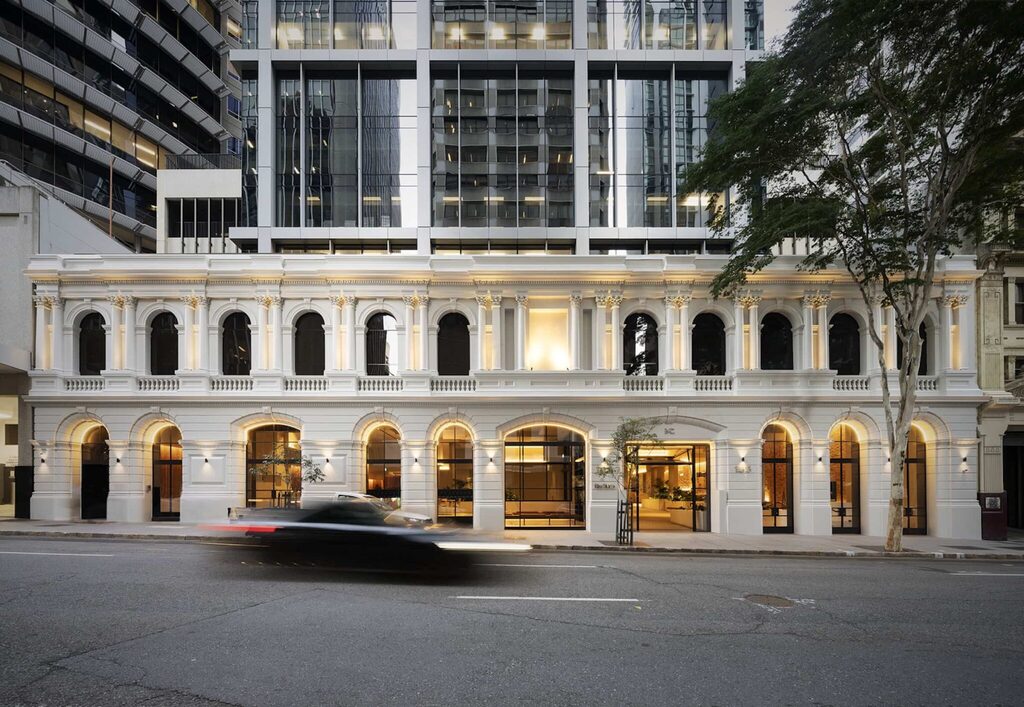
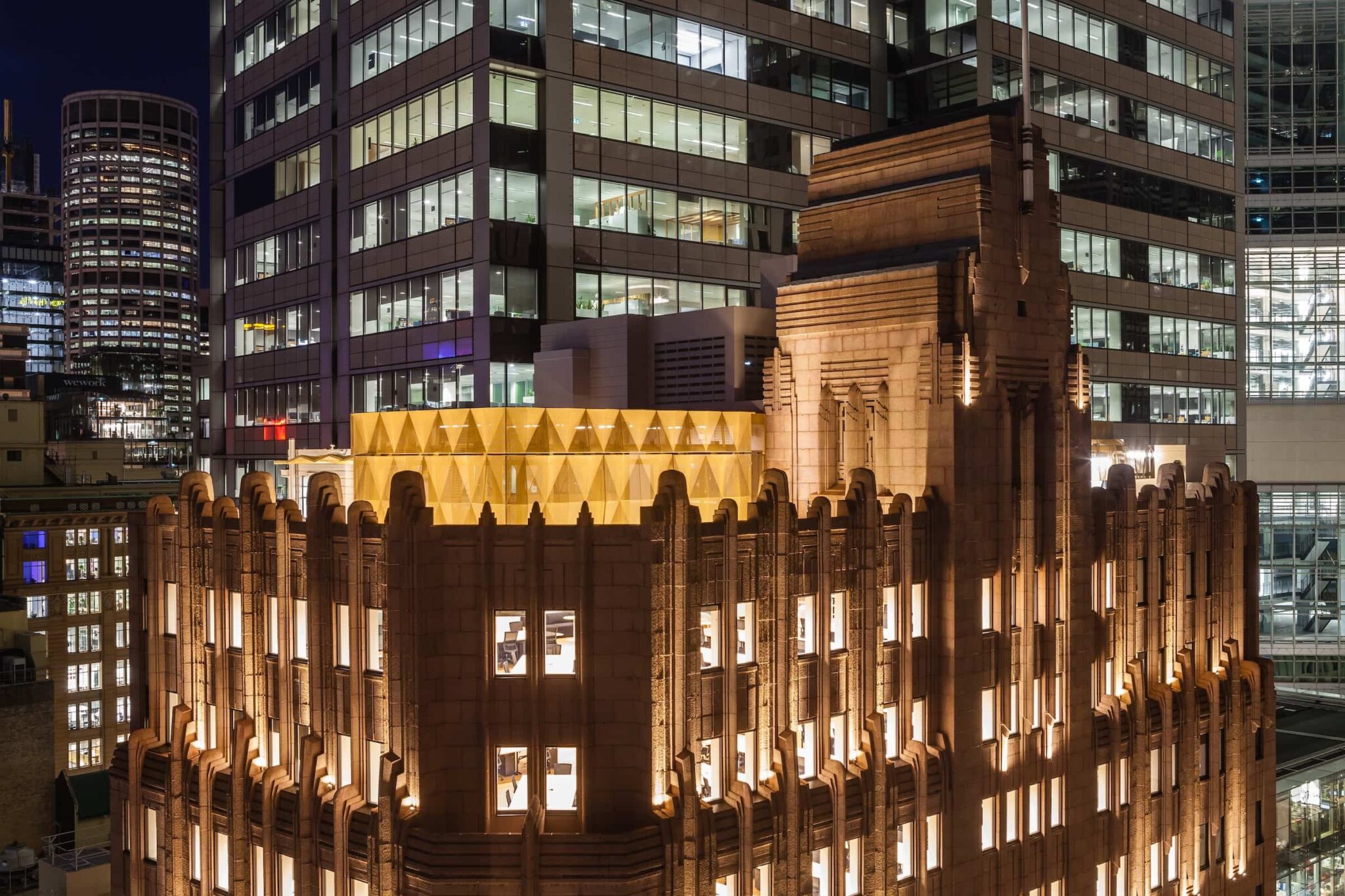
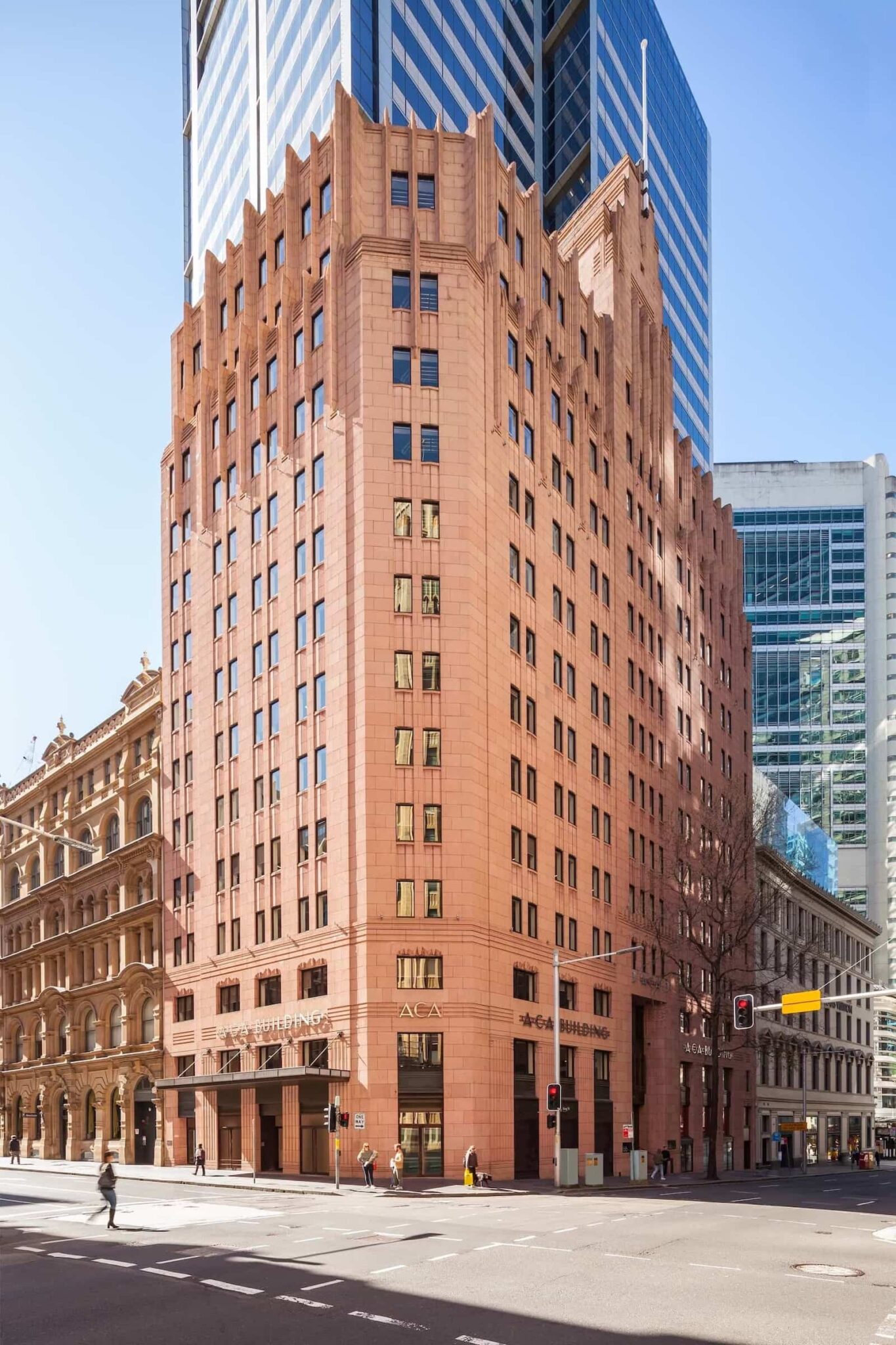
66 King Street, Sydney – an example of adaptive reuse within FK’s renewable real estate portfolio.
Multidisciplinary design practice FK has released new national research that reveals a strong employee appetite for adapting and reusing workplaces and identifies ‘renewable real estate’ as a key opportunity for creating attractive, sustainable and future-ready cities.
FK defines ‘renewable real estate’ as the continual reuse, adaptation and extension of existing buildings to maximise their environmental, social and economic value.
The discussion paper, Adapt. Reuse. Return., draws on a survey conducted in collaboration with research firm Ipsos that questioned 1,000 office workers across Sydney, Melbourne and Brisbane to understand what employees value most and how repurposing buildings – particularly existing, older offices – can respond to these workplace expectations and desires.
With office vacancy rates at a 30-year high across the country and commercial real estate responsible for around 10 percent of Australia’s carbon emissions, the findings arrive at a pivotal moment. The research highlights how transforming Australia’s ageing commercial buildings into high-performing workplaces can drive a return to the office, improve sustainability outcomes and deliver strong commercial returns.
“We don’t have to choose between sustainability and quality, we can have both. Reimagining our existing buildings is one of the most powerful ways to reduce carbon emissions while creating workplaces that people actually want to return to,” said Nicky Drobis, Partner and Head of Design at FK.
“Our research shows that employees and tenants are ready for a new generation of commercial spaces that are flexible, sustainable and amenity-rich. The industry now needs to respond.”
As post-pandemic workplace expectations shift, employees are prioritising flexibility, wellbeing, amenity and sustainability, creating fertile ground for the transformation of underutilised office buildings. Retrofitting existing buildings significantly reduces embodied carbon compared with demolition and new construction, positioning renewable real estate as a key lever in the transition to sustainable cities.
The research reveals that 40% of surveyed office workers prefer reused and renewed buildings over new developments once the concept is explained. This suggests both an appetite for reused workplaces and a critical awareness gap that must be addressed through stronger industry communication and leadership.
While reuse has long been associated with heritage restoration, FK’s research expands the definition to include mid-to-late-20th century commercial buildings that are now underutilised or reaching the end of their original design life. In Melbourne, for example, over 60% of central city offices are more than 30 years old, with mid-tier B, C and D-grade buildings particularly struggling to remain competitive – many of which are energy inefficient and poorly aligned to the expectations of a hybrid workforce.
“If we truly understand how reused, renewable real estate can help achieve our shared goal of sustainable, productive cities, we can begin shaping the policies, incentives and partnerships required to make these projects a reality,” Drobis said.
“As designers, we’ve seen firsthand that reused workplaces can deliver the same, and often higher, levels of amenity, comfort and experience as new buildings.”
The findings further highlight the sustainability challenge facing Australian cities, which governments at every tier are looking to address. The Federal Government’s Circular Economy Framework aims to double material circularity by 2035, while the City of Melbourne has identified the need to retrofit 80 buildings each year to reach its 2040 net zero target.
The research also highlights how sustainability and employee experience are increasingly intertwined. Nearly half of all office workers (48%) say it is highly important their employer takes meaningful action on environmental sustainability.
Hybrid workers – now representing almost half the workforce – are driving a shift toward workplaces that are worth commuting to, with convenience, amenity and purpose becoming the defining qualities of high-performing offices.
Despite its potential, reuse remains under recognised as a workplace strategy. Only 60% of workers are aware of reuse or retrofit as a workplace alternative, and many still see it as second-best to new builds. This underscores the gap between the workplace qualities employees value and how repurposed assets are perceived.
As demolition becomes less acceptable due to its environmental impact, successful retrofits and upgrades demand a careful balance of engineering, design and user experience to create workplaces that are both functional and appealing. However, local government regulations, such as plot ratios and setback controls, often add complexity when retaining rather than rebuilding.
FK’s own portfolio demonstrates the commercial viability of this approach, with major adaptive reuse and retrofit projects such as Midtown Centre in Brisbane, 500 Bourke Street in Melbourne and 66 King Street in Sydney delivering high levels of tenant appeal and strong commercial returns. These projects illustrate how architectural innovation and environmental responsibility can coexist within the same design solution.
“Across our cities and towns, underutilised and vacant buildings – offices, warehouses, strip shops, social housing – stand ready for new life. Old buildings are not waste – they are untapped social, economic and environmental assets,” said Claire Bowles, Australian Chapter Lead, Don’t Waste Buildings.
As cities grapple with economic recovery and the urgent need to decarbonise, FK’s research calls for coordinated action from government, industry and asset owners to embrace the concept of renewable real estate, invest in future-ready workspaces, and strengthen incentives and policies that enable the widescale transformation of existing buildings.
“On the road to net zero, reuse must move from niche to norm. It’s time to stop seeing these projects as the exception and start treating them as the standard for responsible, future-ready design,” added Drobis.
Download research paper: fkaustralia.com/adapt-reuse-return-renewable-real-estate.
More green updates