TarraWarra International 2026: System Release Explores New Orders for Precarious Times
IMG LINK
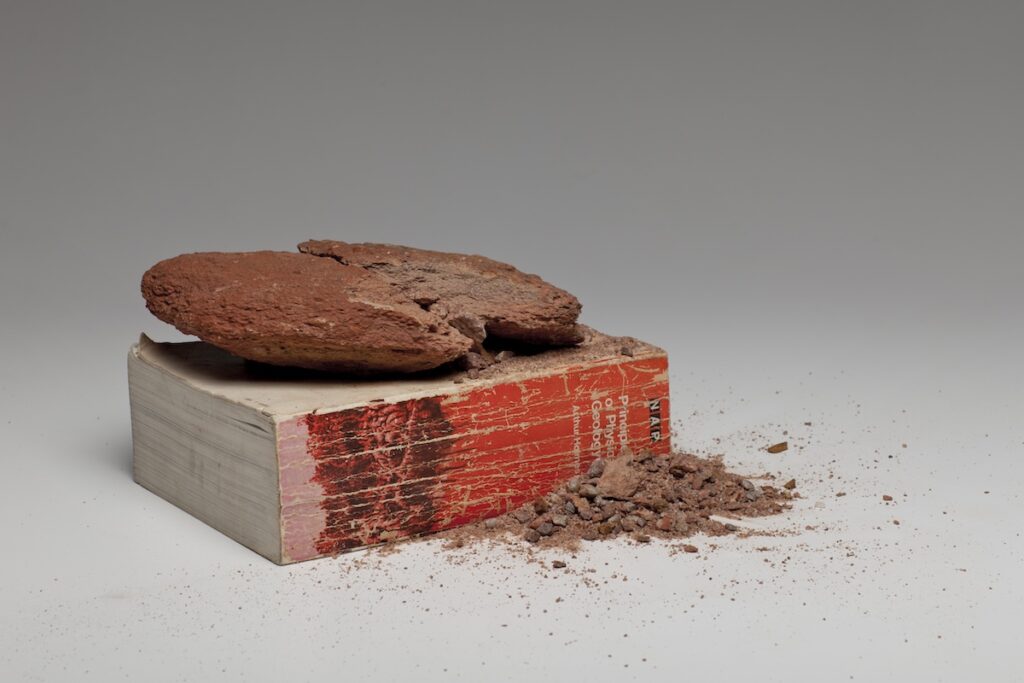
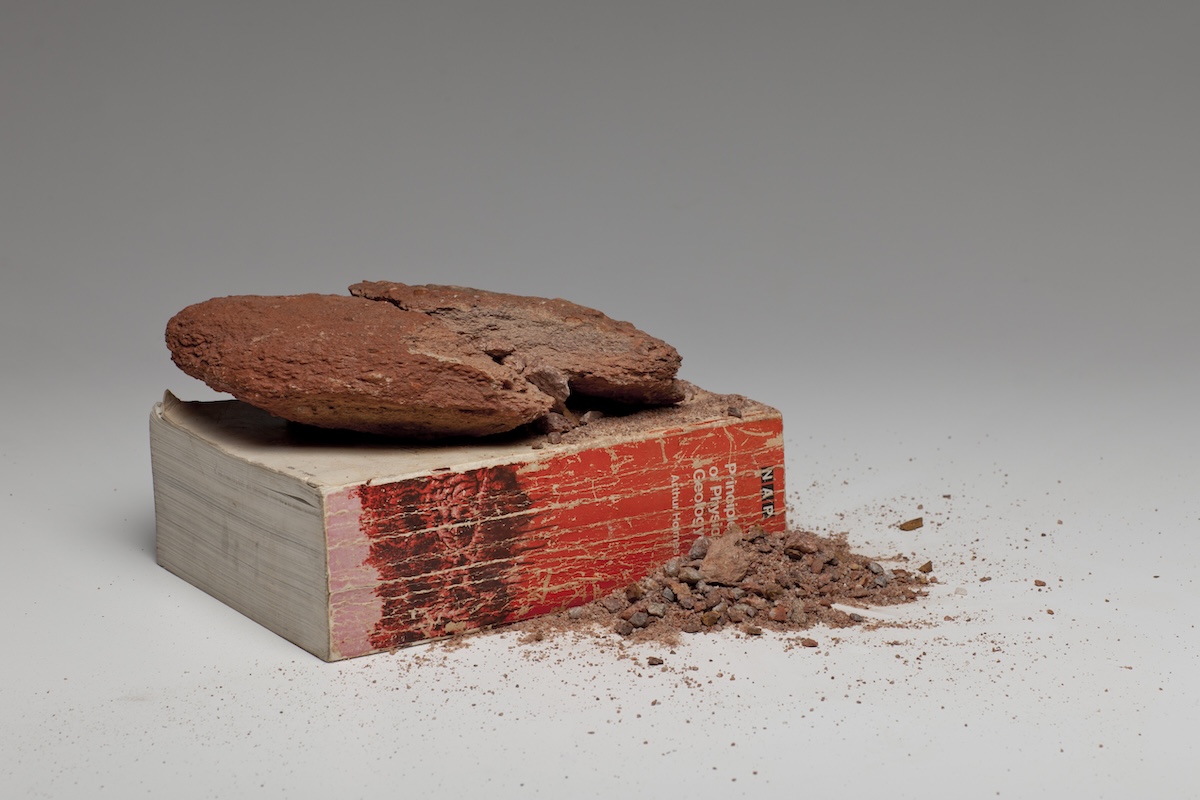
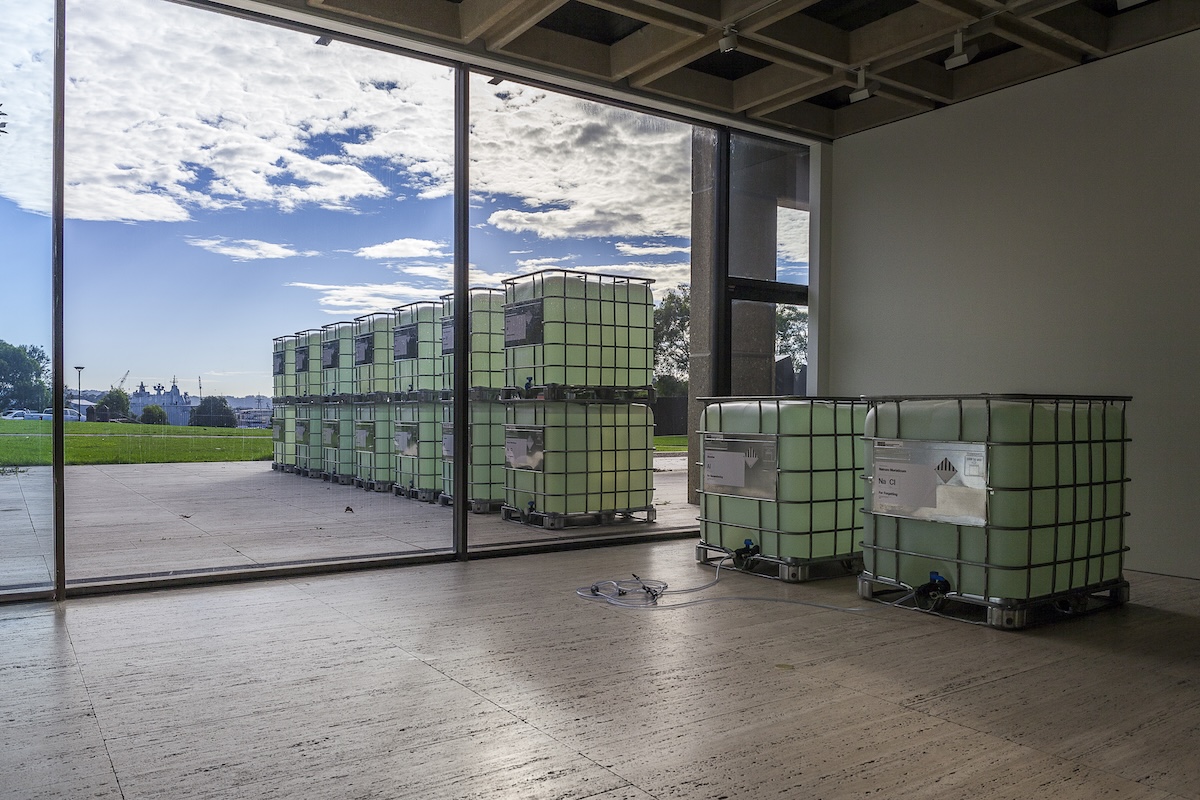
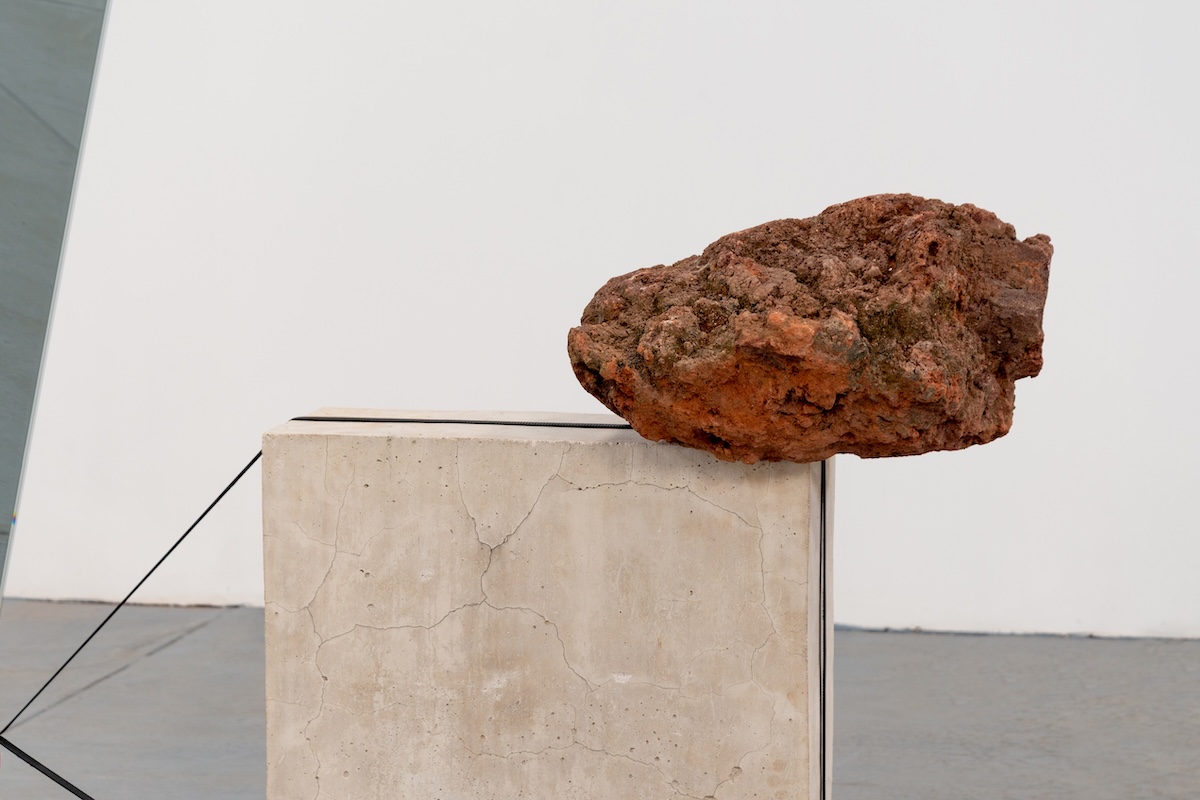
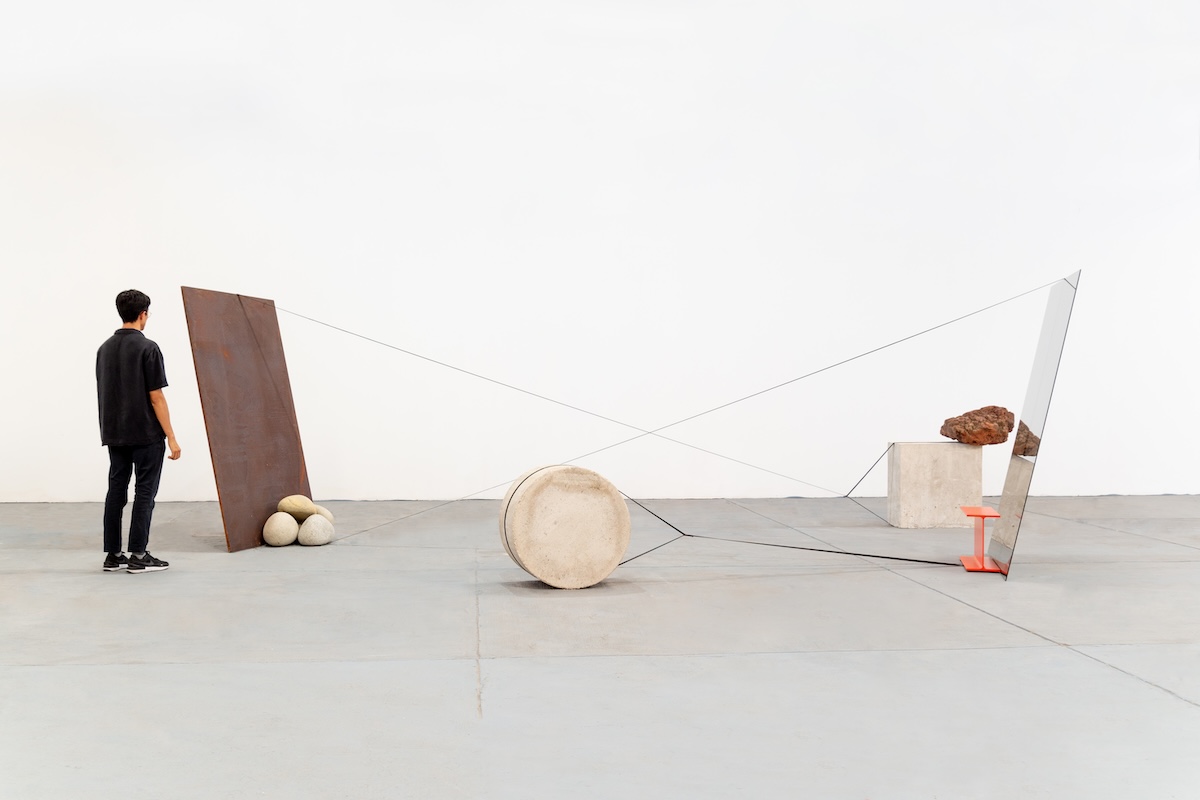
Nicholas Mangan, A World Undone, 2012. Courtesy of the artist and Museum of Contemporary Art Australia, Sydney.
IMG LINK
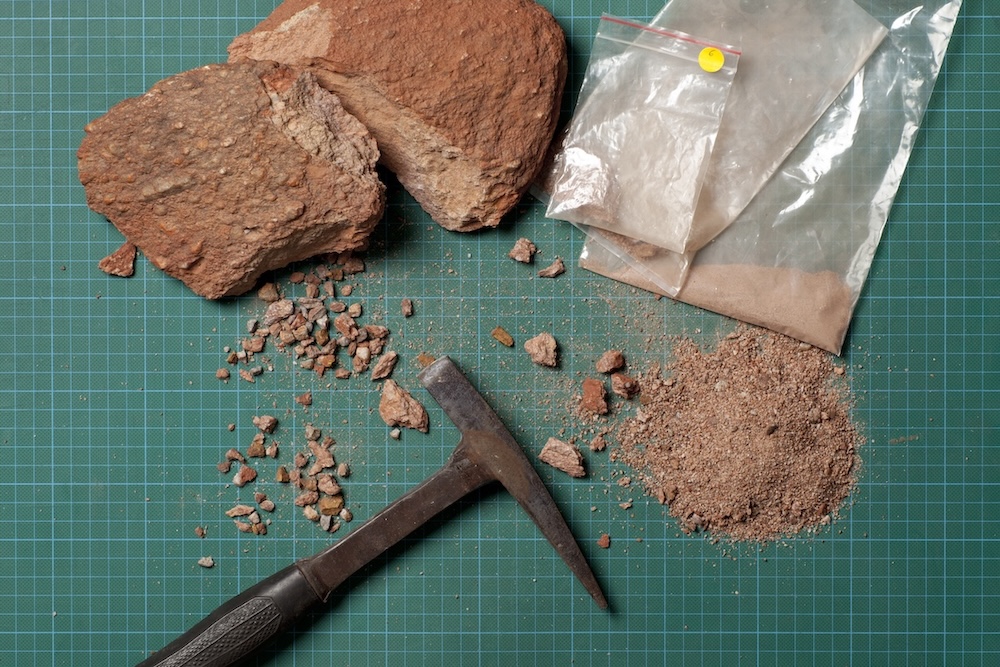
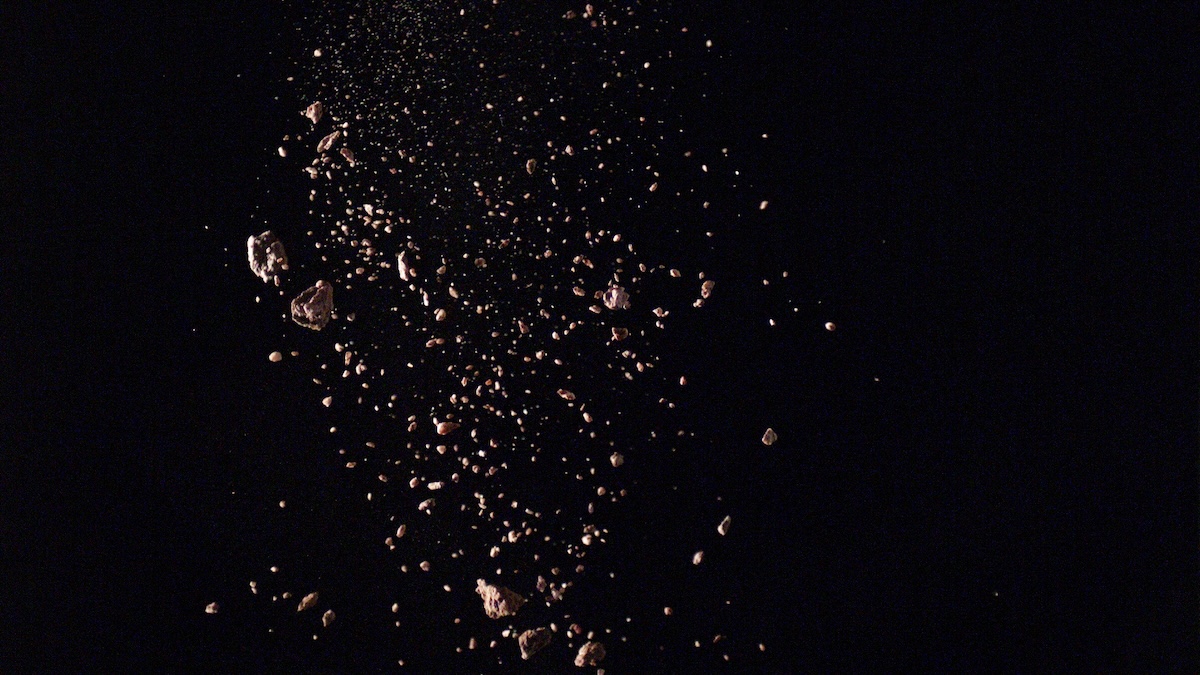
Nicholas Mangan, A World Undone, 2012. Courtesy of the artist and Museum of Contemporary Art Australia, Sydney.
IMG LINK
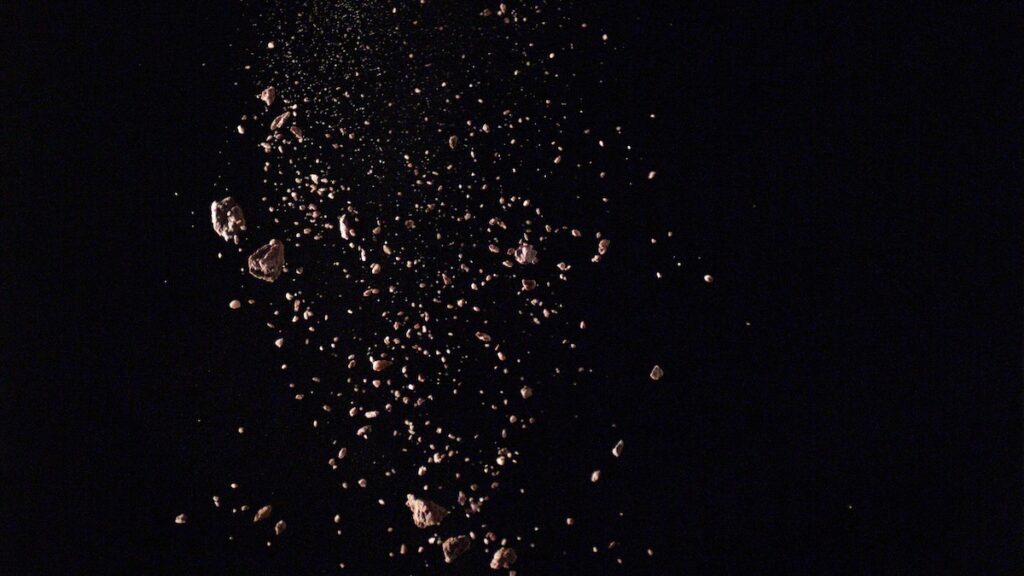
Nicholas Mangan, A World Undone, 2012. Courtesy of the artist and Museum of Contemporary Art Australia, Sydney.
IMG LINK
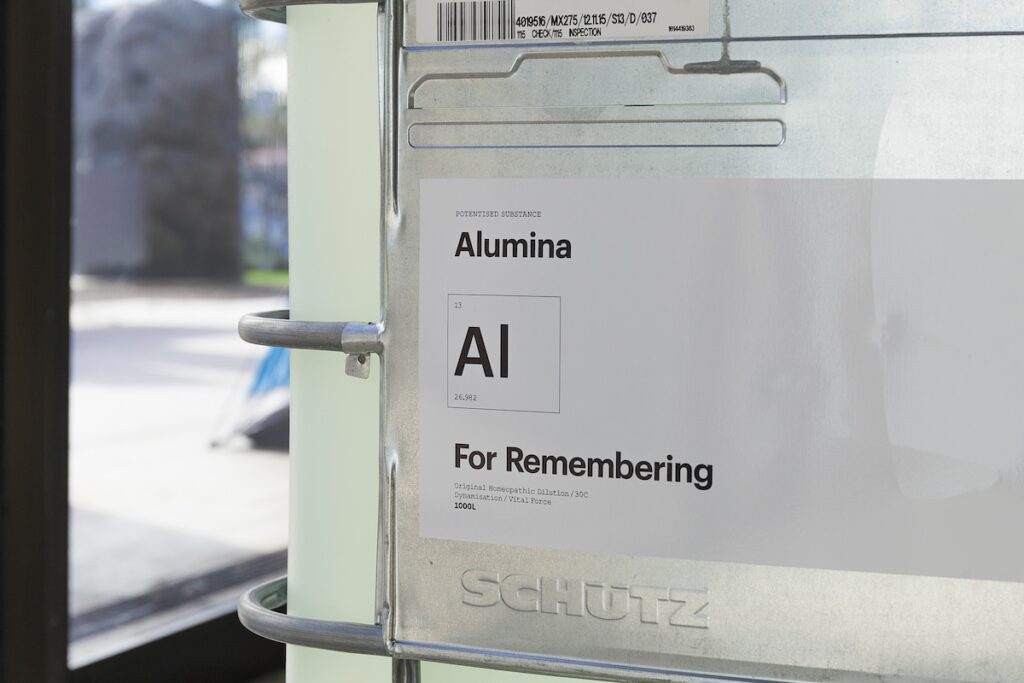
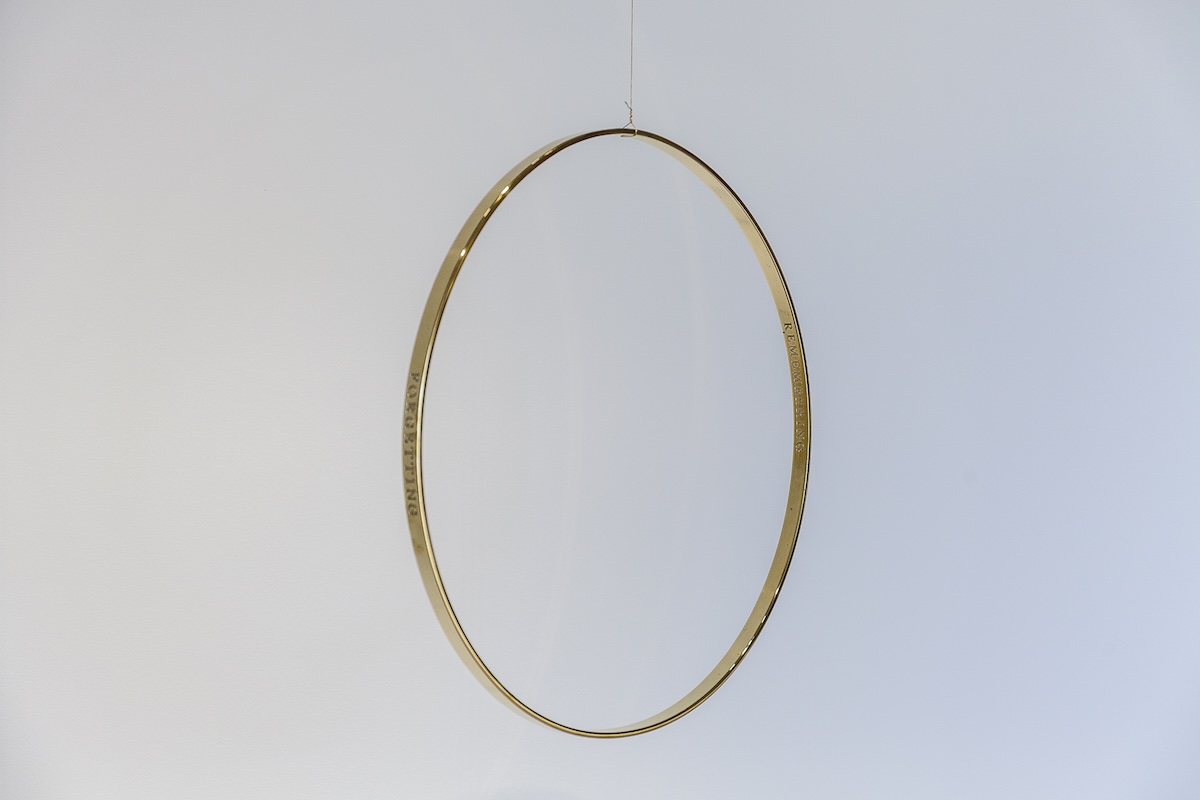
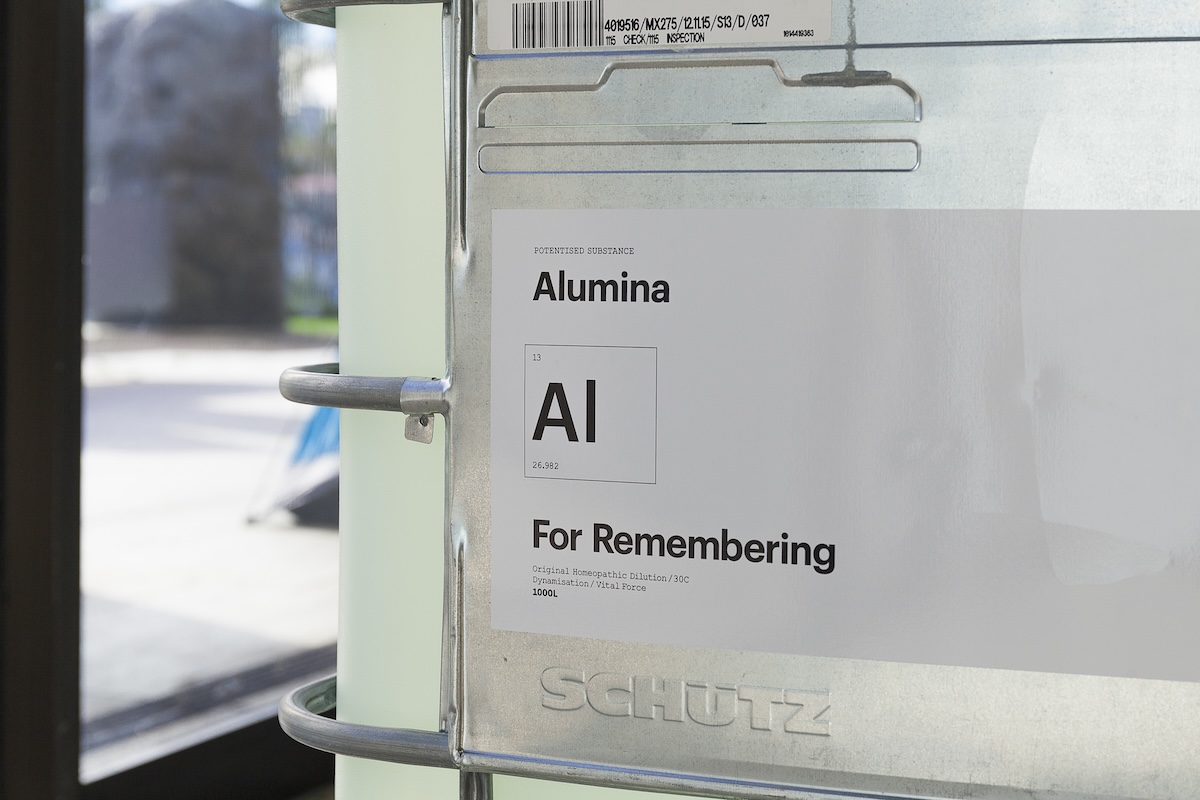
Dane Mitchell, Remedies for Remembering (Al) and Forgetting (NaCl), 2025. Photo Christopher Morris.
IMG LINK
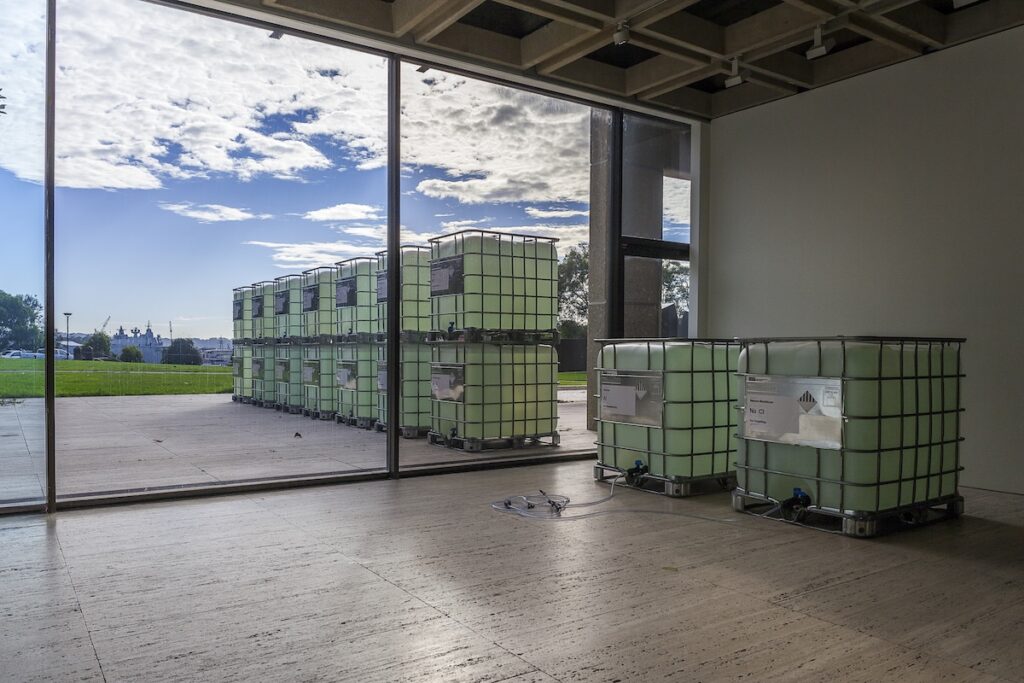
Dane Mitchell, Remedies for Remembering (Al) and Forgetting (NaCl), 2025. Photo Christopher Morris.
IMG LINK
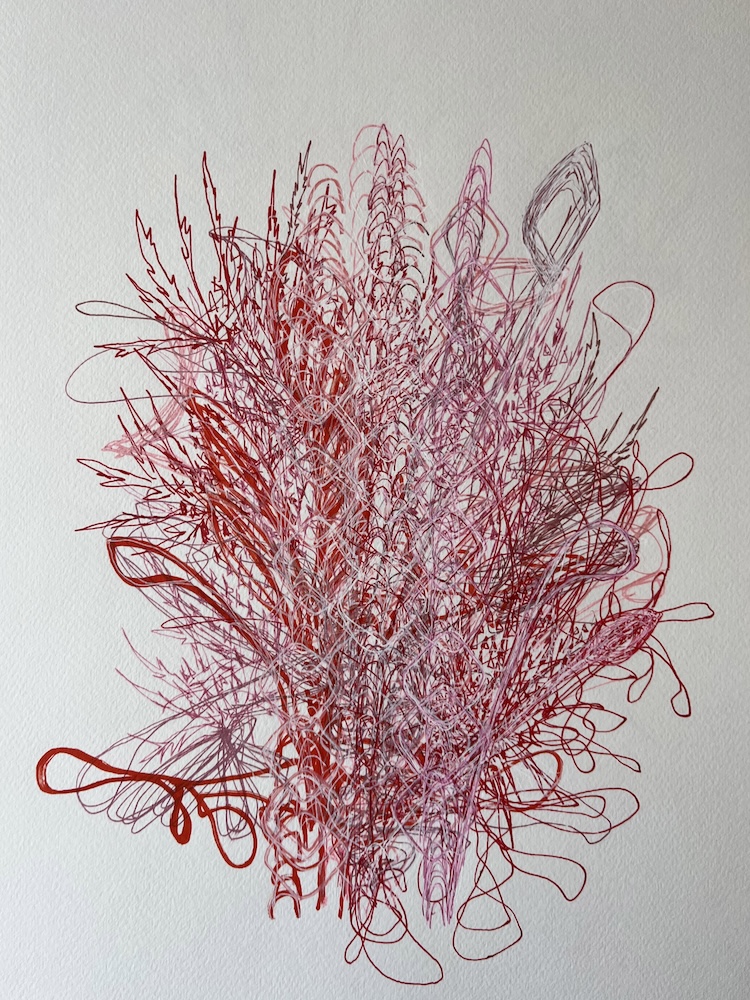
Alicia Frankovich, Siphonophores – A Colony with One Being, Work in Progress Sketches, 2025. Courtesy of the artist.
IMG LINK
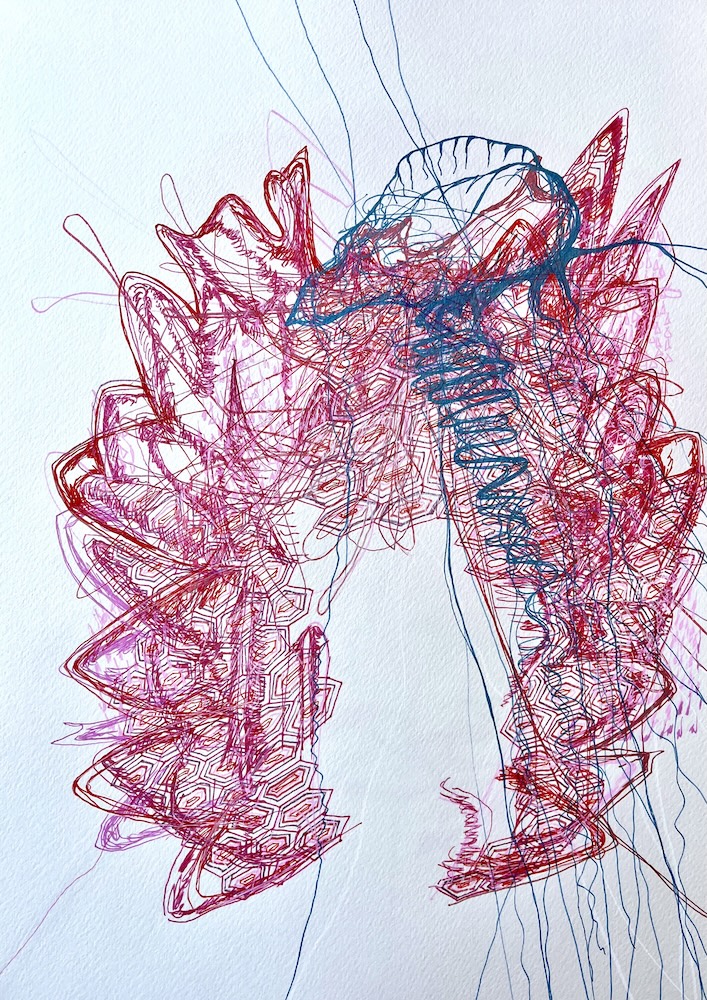
Alicia Frankovich, Siphonophores – A Colony with One Being, Work in Progress Sketches, 2025. Courtesy of the artist.
IMG LINK
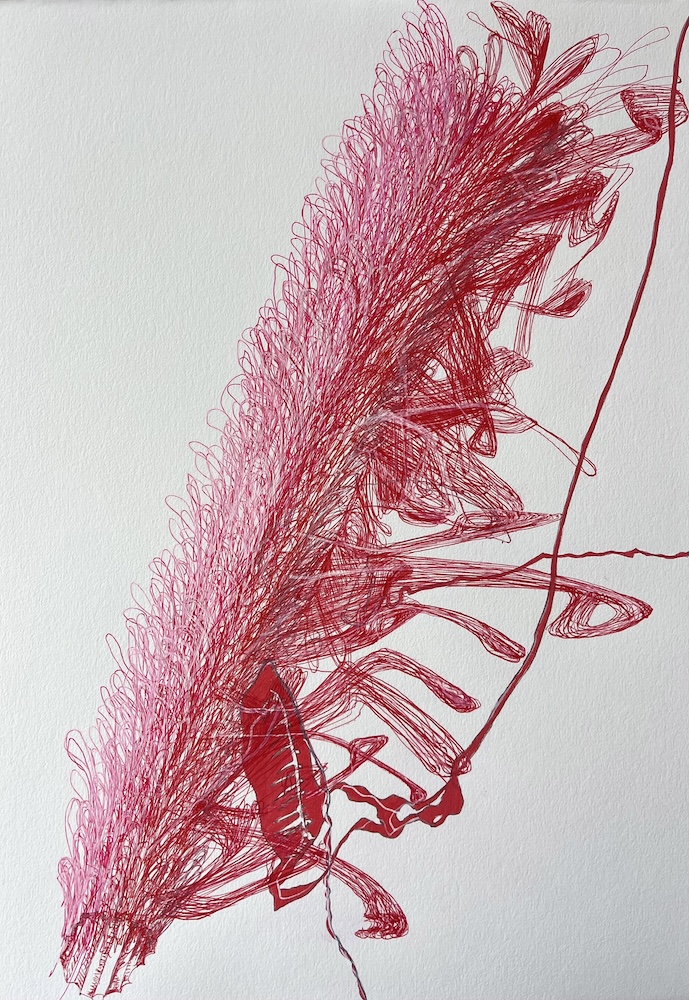
Alicia Frankovich, Siphonophores – A Colony with One Being, Work in Progress Sketches, 2025. Courtesy of the artist.
IMG LINK
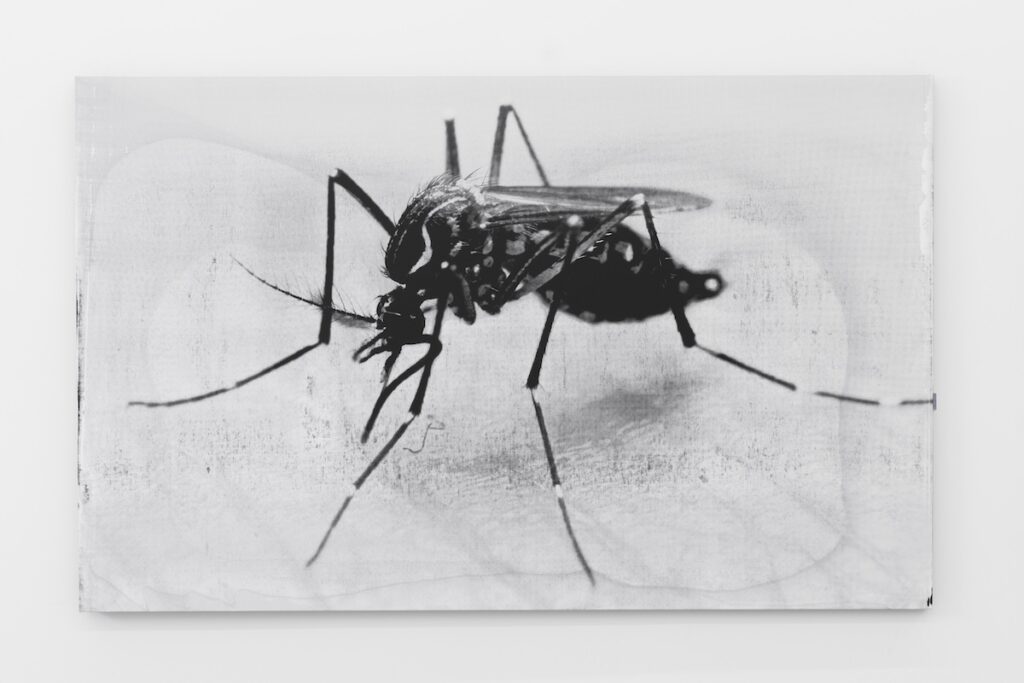
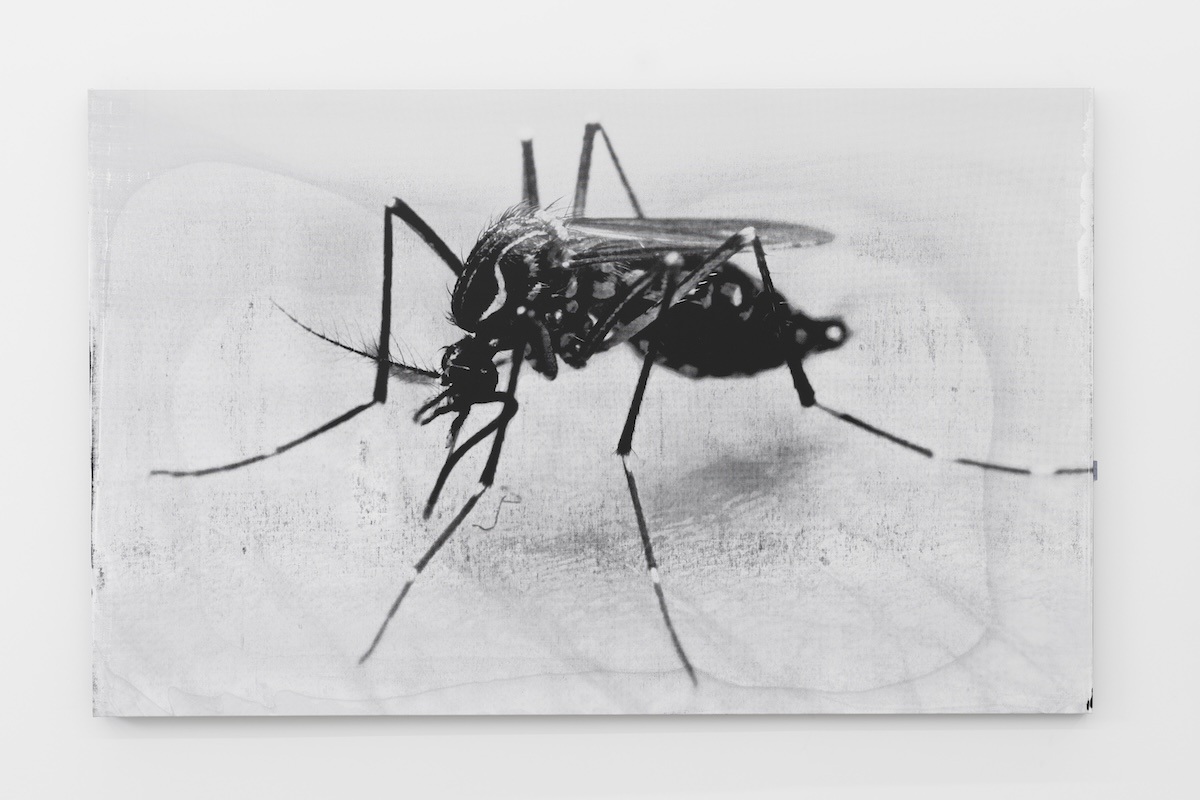
Marco Fusinato, DESASTRES NQ6U7KH2U5OL5OCOX-KRTVI2IWQ-1, 2024. Courtesy of the artist and PALAS, Sydney.
IMG LINK
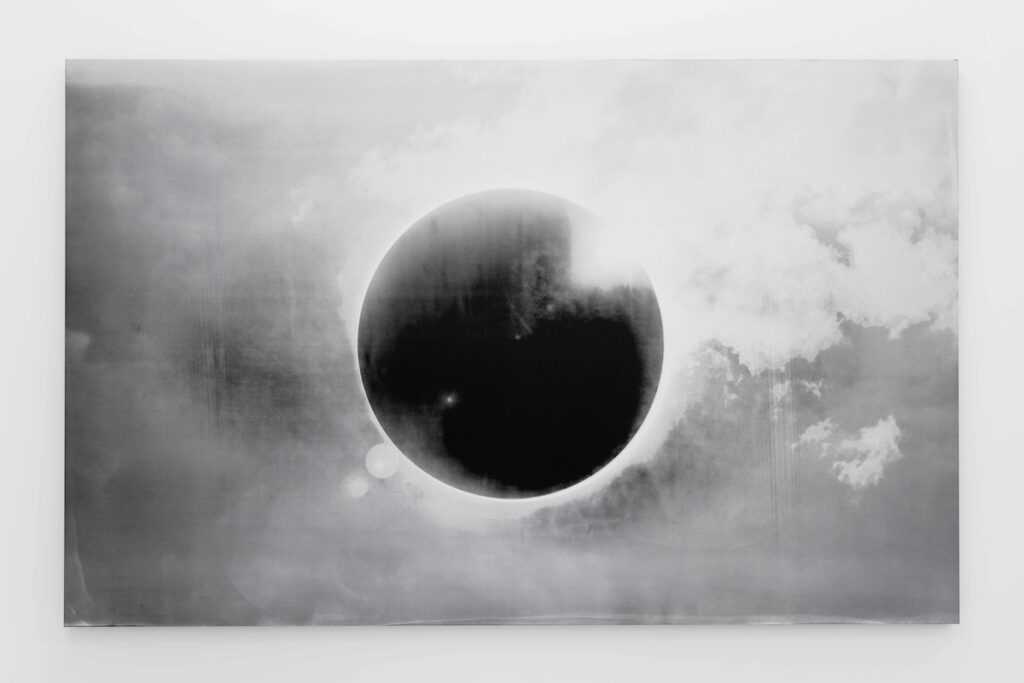
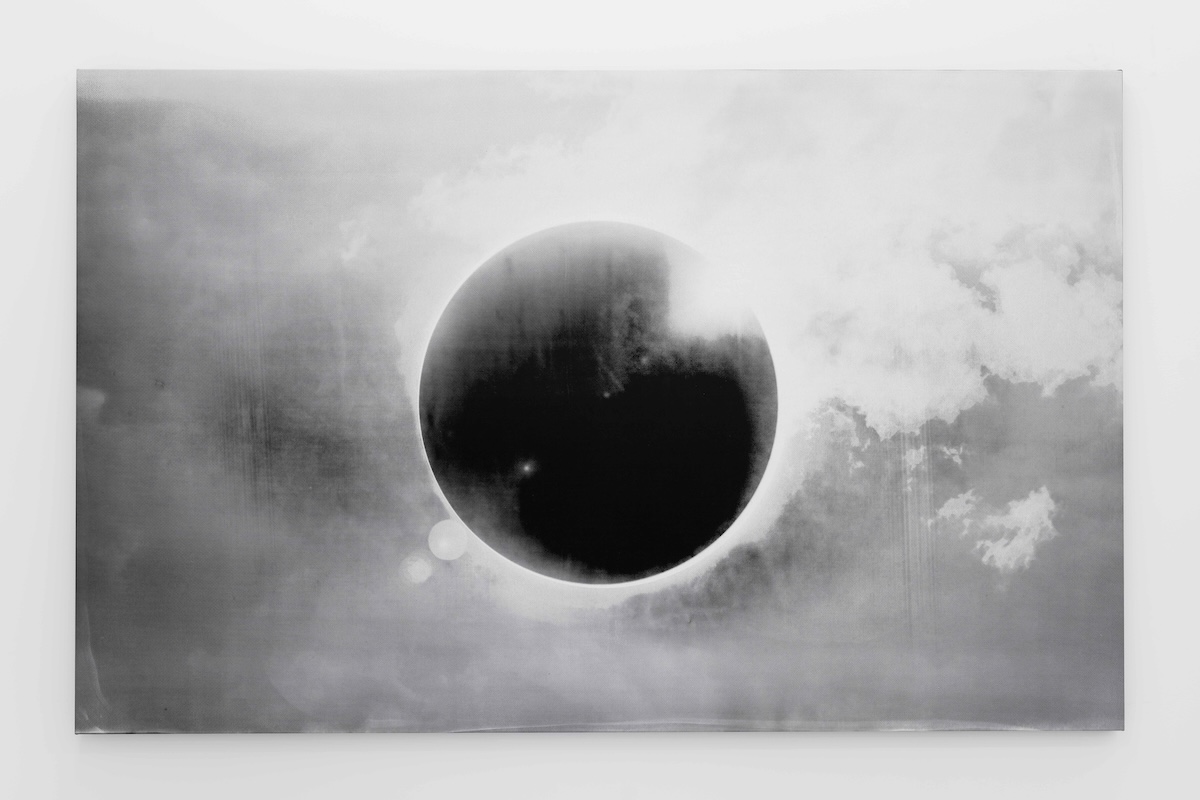
Marco Fusinato, DESASTRES dlce34aza7o1pjlcet7q, 2024. Courtesy of the artist and PALAS, Sydney.
IMG LINK
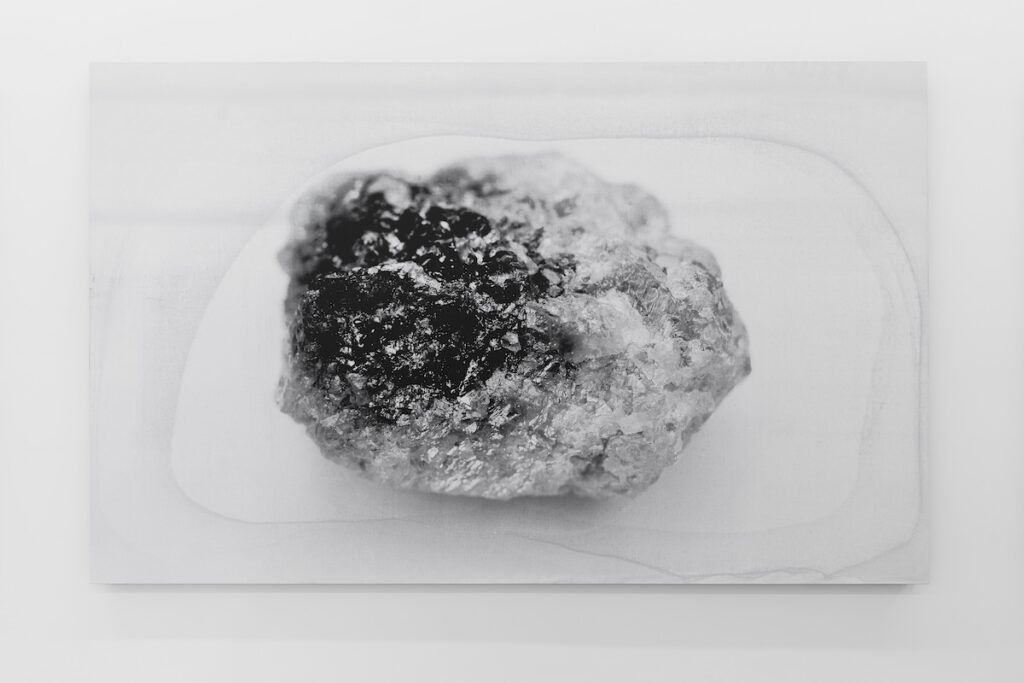
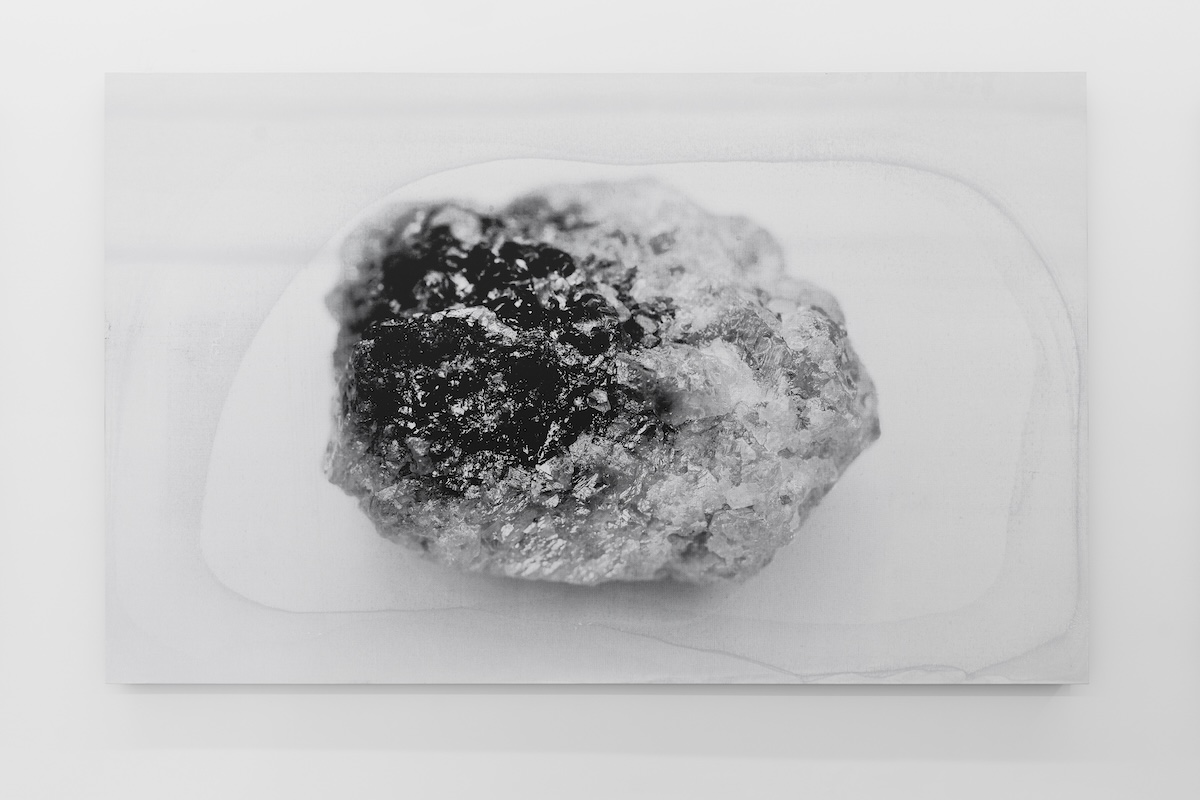
Marco Fusinato, DESASTRES il_fullxfull.3655095447_cb5h_rough-diamond-uncut, 2024. Courtesy of the artist and PALAS, Sydney.
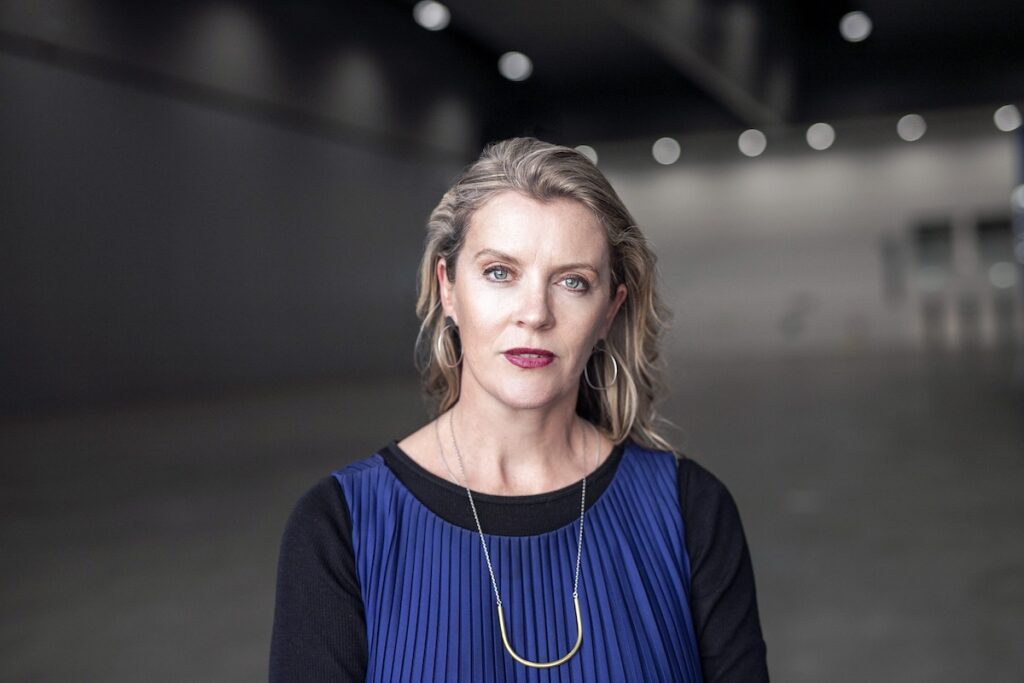
TarraWarra Museum of Art has announced the return of its TarraWarra International series – paused during and after the pandemic – with TarraWarra International 2026: System Release, curated by Dr Emily Cormack (Aotearoa/New Zealand and Naarm/Melbourne), who was appointed Head of Exhibitions and Programs at TarraWarra in April 2025.
TarraWarra International 2026: System Release brings together ten artists from Aotearoa/New Zealand, Australia and Mexico who reach into the chaos of global precarity to create new systems of order across a wide range of media. The exhibition proposes a different understanding of order as a kind of friendship with chaos, presenting personal and collective strategies for making sense of a rapidly changing world.
Responding to recent global events that have exposed the vulnerability of civic order, the exhibition challenges the assumption that a so‐called “rules-based order” is what holds society together. It frames collapse as a release, inviting audiences to consider alternative systems of knowledge and ways of being grounded in First Nations thinking, posthumanism, collective intelligence, and more-than-human worldviews.
Curator and Head of Exhibitions and Programs, Dr Emily Cormack, says: “We look to artists to expose, explore and interpret precarious global conditions, offering us new perspectives and new ways of being in the world. As international systems of law and governance become increasingly contested, this exhibition forecasts creative approaches that move beyond the tenuous, imperfect pacts that have held the last century in place. As these systems collapse, they also release, creating space for new organising principles, where humans might develop with technology, where Indigenous knowledge is more central, and where the interconnectedness between humans and nature is reaffirmed.”
Director of TarraWarra Museum of Art, Dr Victoria Lynn, says: “The TarraWarra International series was inaugurated in 2013 with Animate/Inanimate, followed by Pierre Huyghe (2015), All that is solid… (2017) and The Tangible Trace (2019). Each exhibition has brought compelling and relevant international artists to TarraWarra Museum of Art, often in dialogue with Australian artists.
TarraWarra is delighted to welcome Dr Emily Cormack back to the Museum – she curated the TarraWarra Biennial 2018: From Will to Form – and we look forward to this imaginative and thoughtful new iteration of the TarraWarra International.”
The exhibition features artists Daniel Boyd (Kudjala, Ghungalu, Wangerriburra, Wakka Wakka, Gubbi Gubbi, Kuku Yalanji, Yuggera and Bundjalung man from North Queensland, Australia, and North Pentecost Island in Vanuatu), Francis Carmody (Naarm/Melbourne, Australia), Megan Cope (Quandamooka, south-east Queensland, Australia), José Dávila (Mexico), Alicia Frankovich (Aotearoa/New Zealand and Naarm/Melbourne, Australia), Marco Fusinato (Naarm/Melbourne, Australia), Nikau Hindin (Te Rarawa/Ngāpuhi, Tāmaki Makaurau/Auckland, Aotearoa/New Zealand), Nicholas Mangan (Naarm/Melbourne, Australia), Dane Mitchell (Aotearoa/New Zealand and Naarm/Melbourne, Australia), and Shannon Te Ao (Ngāti Tūwhareta, Aotearoa/New Zealand).
Working across sculpture, installation, moving image and assemblage, each artist brings forward ideas and objects that illuminate the shifting interplay between order and chaos underpinning civic society.
Alicia Frankovich (Aotearoa/New Zealand and Naarm/Melbourne, Australia) and Francis Carmody (Naarm/Melbourne, Australia) present major new commissions informed by post-humanist philosophies. Frankovich’s new sculptural work draws on creatures found in the deep sea and technologies of outer space, connecting biological and cosmic systems. Carmody’s work explores appetite as the force that drives progress, collapsing the cycles of natural food chains with industrial supply chains.
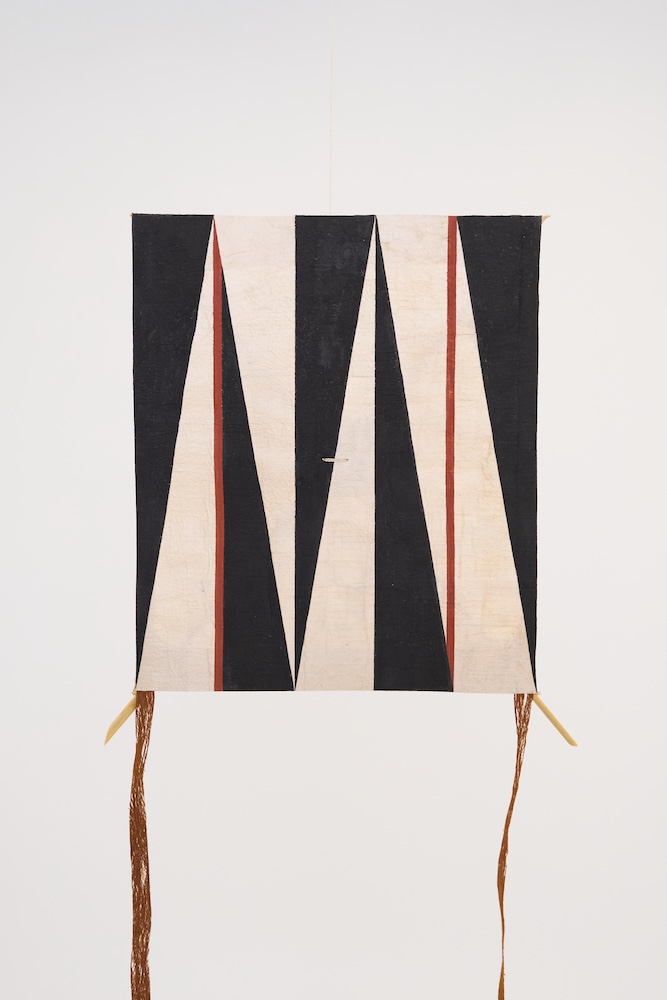
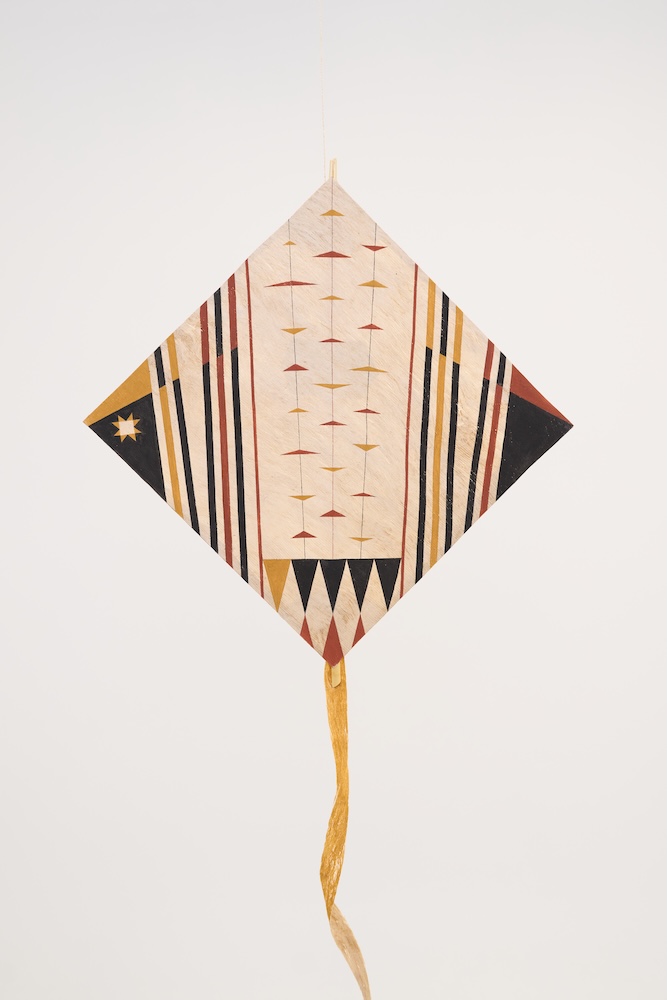
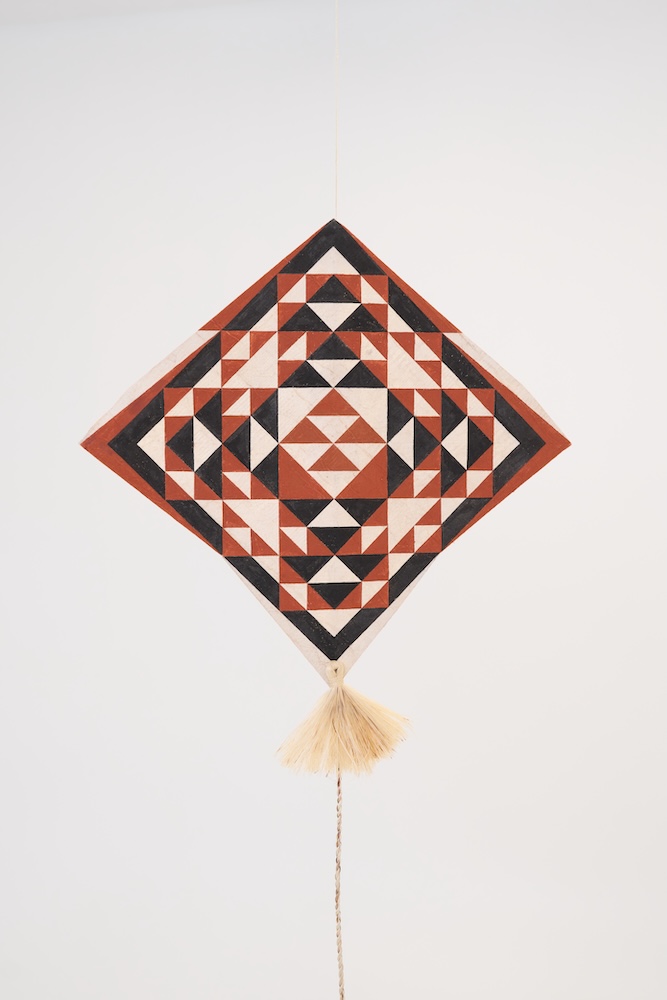
Māori artists Nikau Hindin (Te Rarawa/Ngāpuhi) and Shannon Te Ao (Ngāti Tūwharetoa) draw on Indigenous knowledge systems as central to proposing new futures. Globally renowned artist Hindin will present a series of manu aute (bark cloth kites). These kite-like forms reference an Indigenous technology used by Māori for centuries for divination, communication and oceanic navigation. Walter’s Prize-winning artist Te Ao presents a three-screen video work that embodies the tīwakawaka (a small fantail-like bird) and its role within Māori mythology. The tīwakawaka can transcend the divisions between worlds and species, and even the divide between film and life.
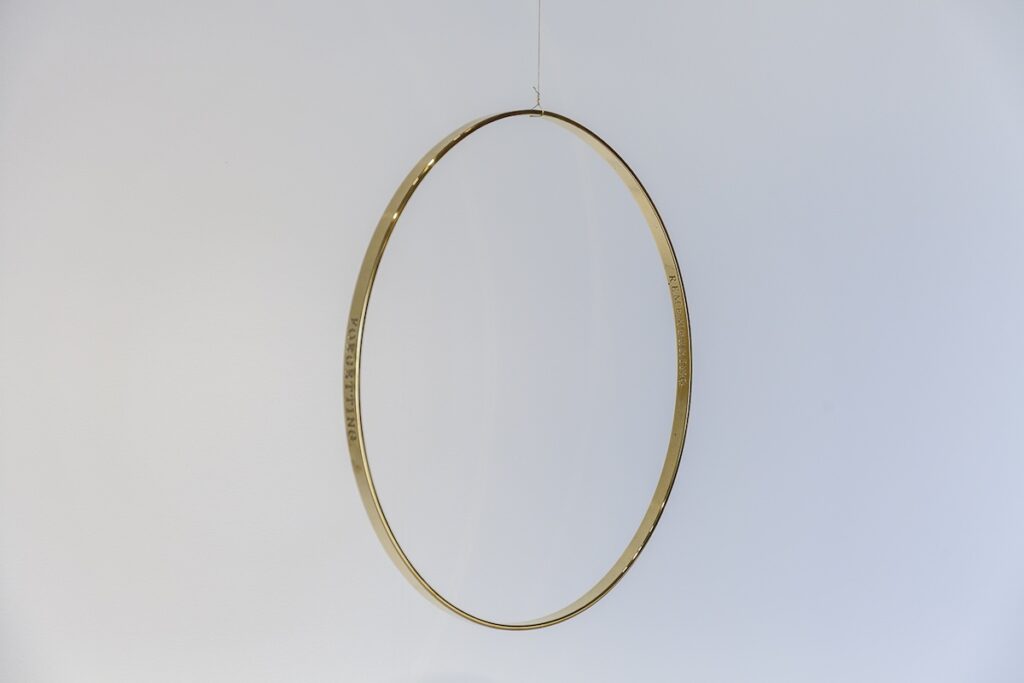
Indigenous artist Daniel Boyd (Kudjala, Ghungalu, Wangerriburra, Wakka Wakka, Gubbi Gubbi, Kuku Yalanji, Yuggera and Bundjalung) revisits his commission for the TarraWarra Biennial 2014: Whisper in My Mask, in which vinyl stenopeic lenses are applied to the Museum’s north window. These lenses interrupt the view beyond to symbolically disrupt the power of representation and perception. Dane Mitchell (Aotearoa/New Zealand and Naarm/Melbourne), who represented Aotearoa New Zealand at the 58th Venice Biennale in 2019, presents a work involving homeopathic formulas – one to aid memory and one to erase it – sprayed onto the Museum’s windows, offering the potential to remedy the body, the mind and the Museum itself as a comment on the modernist art museum as an institutional force.
Works by Megan Cope (Quandamooka, south-east Queensland, Australia) and Nicholas Mangan (Naarm/Melbourne, Australia) engage geological time as a record of our past and an indication of what our future might hold. Cope, a Quandamooka artist, employs oyster shells in her sculptural installations to refer to the middens of Minjerribah (North Stradbroke Island). Mangan’s work delves into zircon, a 4.4-billion-year-old mineral found in some of the Earth’s earliest crust in Western Australia, using film, photography and sculpture to explore the mineral’s crushed dust.
Marco Fusinato (Naarm/Melbourne) presents large‐scale screenprints from his DESASTRES project, originally presented at the 59th Venice Biennale, examining mining, neoliberalism and the forces of greed and consumption through images that signal the breakdown of civil, social and celestial systems.
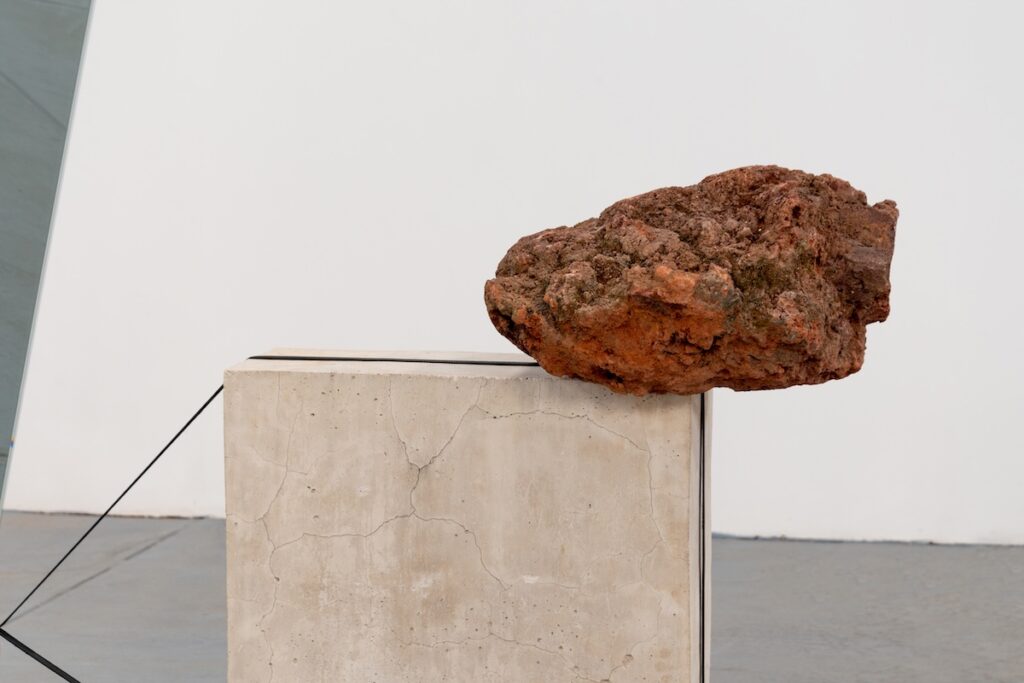
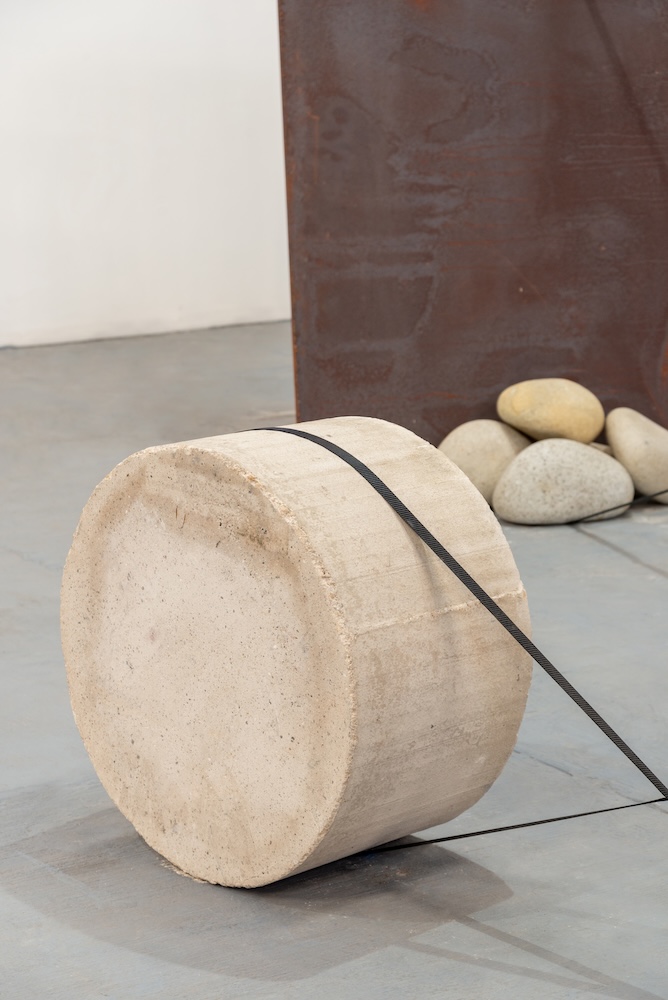
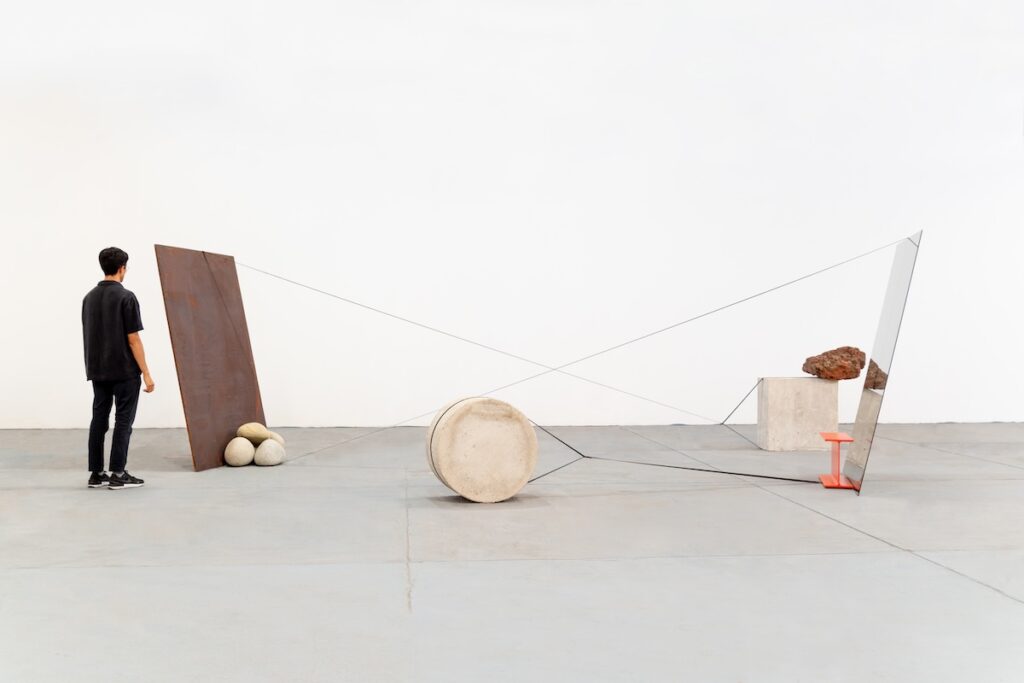
Mexican artist José Dávila presents a major new sculptural assemblage configured specifically for TarraWarra Museum of Art, combining a range of materials with gravity and chance to evoke the precarious balance between humans and the natural world. The work invites audiences to reflect on their own agency and responsibility in shaping relationships with each other and with the environment.
System Release is accompanied by a dynamic public program including artist talks, a forum and a day of music exploring the relationship between improvisation and instruction as a way of thinking about order and chaos in sound. A full‐colour 100‐page catalogue will include essays and insights by leading thinkers in this field.
ABOUT TARRAWARRA INTERNATIONAL: Established in 2013, the TarraWarra International series supports Australian artists to present their work within a global context by exhibiting alongside leading contemporary practitioners from abroad. The initiative situates their practices within international conversations and expands opportunities for critical engagement with contemporary art.
Each edition of TarraWarra International has explored key developments in contemporary practice, from relationships between the animate and inanimate to shifting experiences of temporality and speculative responses to the archive, including Animate/Inanimate (2013), Pierre Huyghe (2015), All that is solid… (2017) and The Tangible Trace (2019).
Paused during and after the global pandemic, the program returns in 2026 with System Release, curated by Dr Emily Cormack; now alternating every two years with the TarraWarra Biennial, the series remains committed to rigorous curatorial research, ambitious new commissions and providing audiences with accessible, thought‐provoking encounters with major works by leading Australian and international artists.
More information: twma.com.au
More green updates