Certified Passivhaus Projects Quadruple in Four Years as 40+ Local Buildings Open to the Public for International Open Day
Buildings designed to the Passivhaus Standard provide healthier environments for us to live, work, learn and connect within – offering improved air quality, year-round comfort, cheaper bills and the ability to withstand our adapting climate.
TOUR BOOKINGS: Registrations close 9 November.
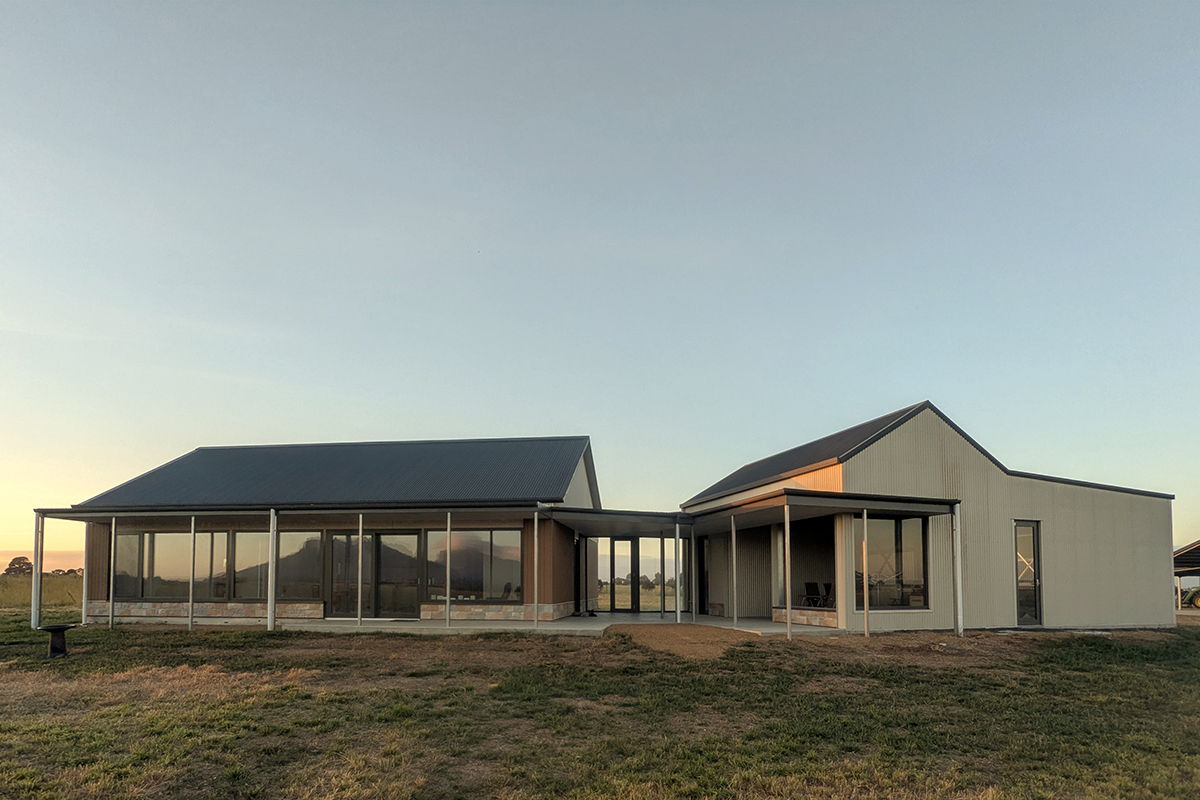
Certified Passivhaus projects in Australia have grown from 48 at the end of 2022 to 201 as at October 2026, more than quadrupling in under four years. From 13 to 15 November, more than 40 of these buildings will open to the public for free for 95+ guided sessions, as part of International Passivhaus Open Days 2026.
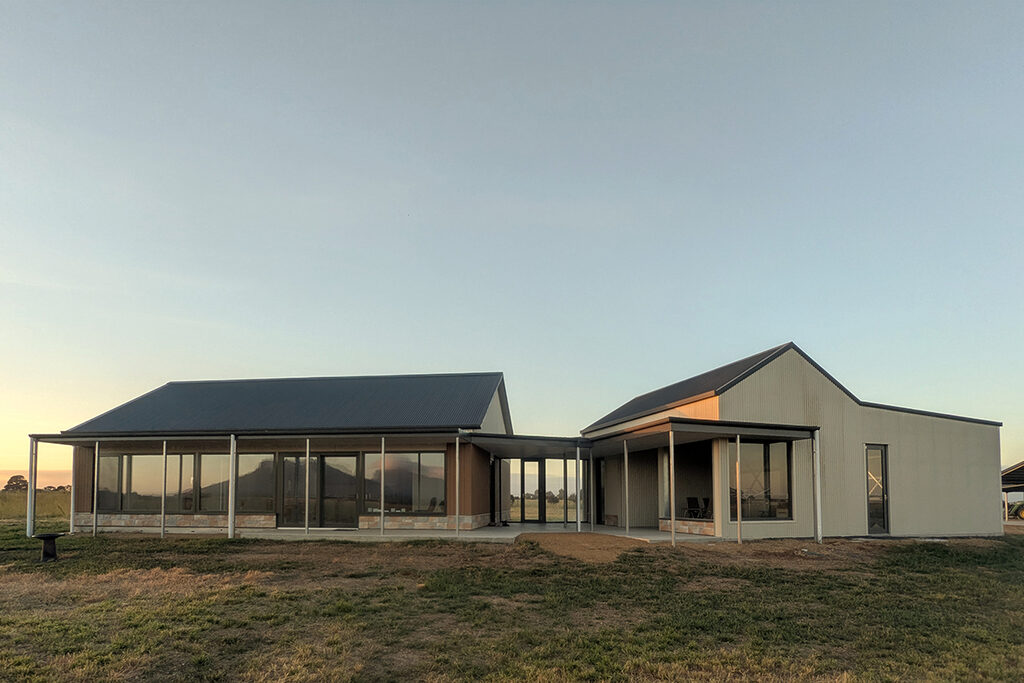
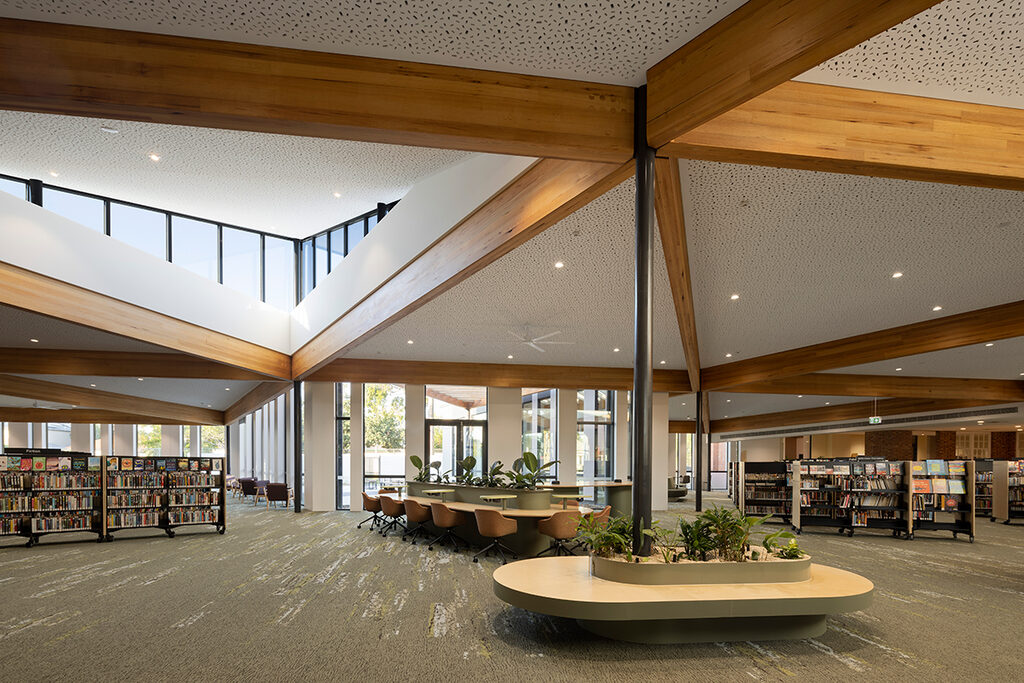
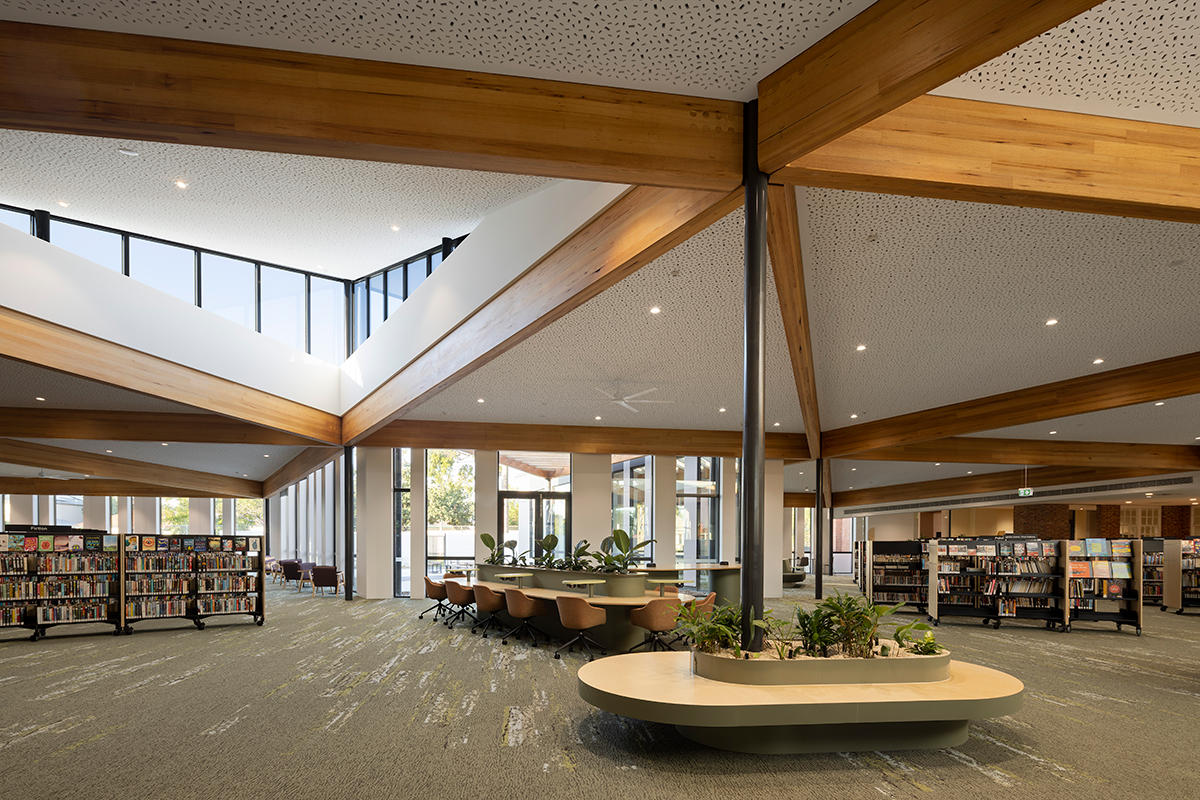
Projects span new homes, schools, offices and community facilities across the ACT, New South Wales, Queensland, South Australia, Tasmania, Victoria and Western Australia. They include EnerPHit retrofit projects (the Passivhaus standard for reuse projects) and commercial projects like the Glenroy Community Hub in Victoria, Eclipse Factory in New South Wales and the Bob Marshman Building in Queensland.
Most are completed, occupied buildings. Visitors can walk into homes that families live in every day, feel the stable indoor temperature, notice the quiet, and ask the owners directly what it cost, how it was built and what their energy bills look like now. Alongside them, and for the first time at this scale, the program includes buildings still under construction. Visitors can gain unique insights into the insulation, airtightness detailing, windows and ventilation systems that are normally sealed behind plasterboard before anyone moves in.
“For too long the conversation about Australian housing has been about how many homes we build, not how well they perform,” said Stalin Chakrabarty, CEO of the Australian Passivhaus Association. “We spend most of our lives indoors, yet we rarely consider how much our buildings shape our health. Poor air quality, moisture, mould and extreme indoor temperatures hit children, older Australians and people with respiratory conditions hardest.”
“You can read about energy efficiency and compare ratings, but there is nothing like standing in a finished Passivhaus home on a hot afternoon and realising how comfortable it is without the air conditioning running,” Mr Chakrabarty said. “Then walk through one mid-construction and you see exactly why. Finished buildings show you the result. Construction sites show you how it’s done.”
More than 2,000 visitors are expected to take part in the event nationwide. Coordinated by the Australian Passivhaus Association (APA), the program is made possible through the generous support of Principal Partner Bondor Metecno, Program Partner Pro Clima, APA members, the wider Passivhaus community and supporting local councils across Australia.
“At the end of 2022 we had 48 certified projects. As of October 2026, we have 201,” Mr Chakrabarty said. “That is not a trend anymore, it is a shift in what Australians expect from a building. Healthier, more comfortable and energy-efficient buildings shouldn’t be a luxury. They should be the standard for every Australian.”
Tours are free, but places are limited.
Registrations close Monday 9 November.
Explore participating projects, view tour times and secure your spot at passivhausassociation.com.au/open-days
More green updates