Designing a Solar-Ready Home in Perth: What to Plan Before the Roof Goes On
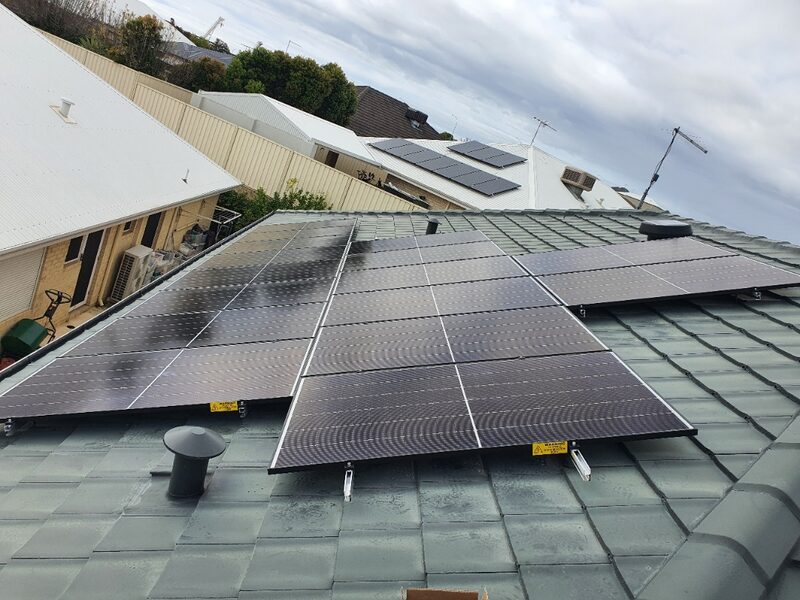
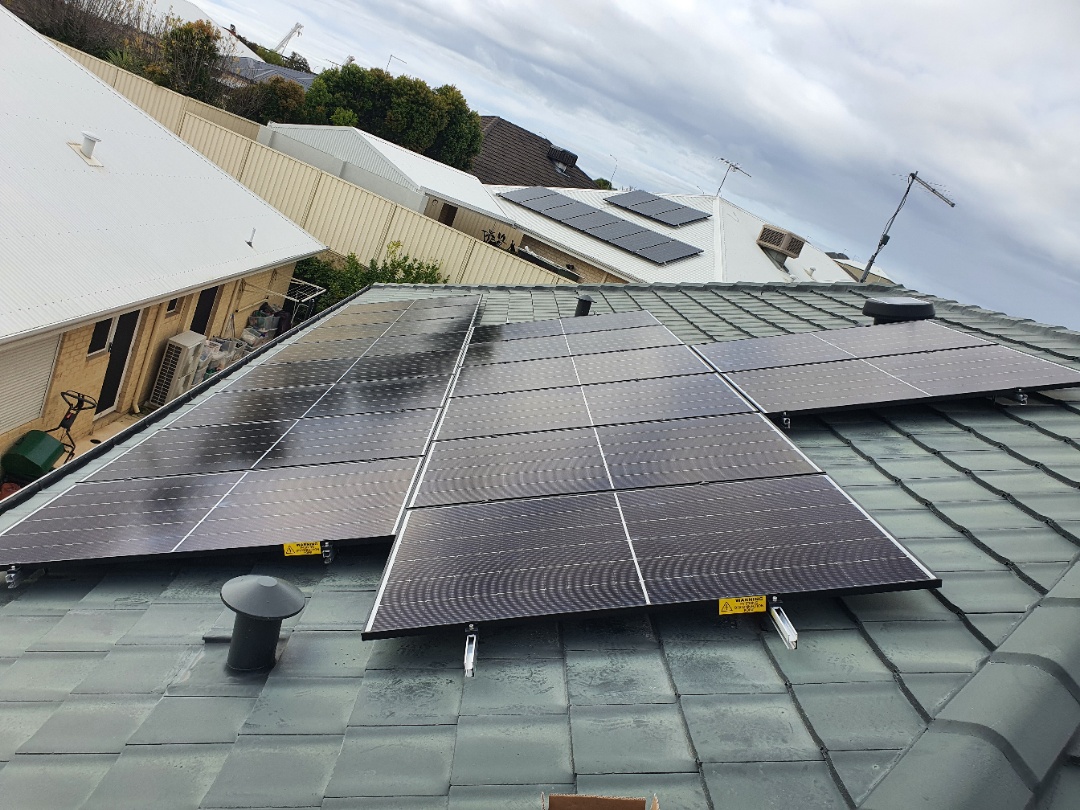
Designing a Solar-Ready Home in Perth: What to Plan Before the Roof Goes On
Building a new home is a significant milestone for everyone, and considering an eco-friendly home is a modern option.
Adding solar panels after a home is built is a good option, but if you’re building a new home or warehouse, installing them on the roof is a simple process that saves you time.
In Perth, homes receive plenty of sunshine throughout the year. To make use of this abundant sunshine, installing solar panels is one smart option.
- Consider Roof Orientation Before Finalising the Design
To design solar-ready homes, consider that the right roof orientation is the primary step. The angle and direction of the roof influence how much sunlight the panels receive throughout the day.
For Perth homes, north-facing solar panels can deliver maximum solar energy generation year-round. However, east- and west-facing solar panels are also useful for those homes that use more electricity in the morning or afternoon.
The roof direction and available space also matter, as the best arrangement depends on the roof layout, shading, energy consumption, and the property’s overall design.
- Keep Enough Unshaded Roof Space for Solar Panels
A roof may look perfect for installing solar panels in terms of area. But not every section of the roof needs to get enough sunlight throughout the day. Roof vents, skylights, plumbing outlets, air-conditioning equipment, and other structures can reduce the available space.
Before installing solar panels, consider these points. Check the shading from nearby trees, buildings, and other structures. Partial shading by anything also affects the solar panels’ output.
- Plan for Your Future Electricity Needs
A solar system should not just be installed to meet present electricity needs; it should be designed around how a homeowner expects future energy needs to evolve.
A new home may have modest energy requirements initially, but these can increase over time as appliances are added. Before finalising the electrical design, consider which appliances will use the most electricity and when they are likely to operate.
This information can help a solar installer estimate a suitable system size and determine whether additional electrical capacity may be useful.
Planning a solar system does not mean installing the largest system now; it should take into account your energy usage, future needs, and plans for which appliances to add to your home.
- Make Space for the Inverter and Electrical Equipment
A solar system consists not only of solar panels but also of a solar inverter, mounting structure, wiring, and a safety kit.
The solar inverter converts the direct current (DC) electricity produced by solar panels into alternating current (AC). Installing a solar inverter requires a suitable, well-ventilated location.
During the design of your solar system, select a location for the solar inverter, switchboard connections, and electrical equipment.
The final arrangement should be confirmed by the relevant electrical professionals and comply with applicable Australian requirements.
- Prepare for a Solar Battery, Even If You Do Not Buy One Yet
Most people install solar panels first, then add a solar battery to their existing system. On the other hand, some homeowners install a complete solar system once. Adding a solar battery is optional for homeowners, depending on their electricity usage patterns.
A solar battery adds energy independence to your property and allows you to use your energy during power outages and at night. Battery size depends on your inverter size and energy requirements.
However, being battery-ready does not guarantee compatibility with all future batteries, so the system design should be reviewed by a qualified installer.
6. Coordinate With Your Builder and Solar Installer Early
One of the most important steps is to contact a solar installer before or after construction. A certified solar installer in Perth helps you design the perfect-sized solar system for your property, location, available rooftop space, energy needs, and budget.
Builders and architects focus on the home’s structure, appearance and functionality, while solar installers assess generation potential, equipment compatibility and installation requirements. Early communication helps these considerations work together.
For homeowners in Perth, companies such as Solar 365 can serve as a point of contact for discussing solar system options and the practical requirements for a future installation.
Before finalising any solar plans, ask your solar installer about solar panel brands, installation services, and rebate documentation.
A little coordination at the beginning can help avoid unnecessary redesigns and make the installation process more straightforward.