Rebellious Front Yards and Reclaimed Tennis Courts. Australia’s Most Exceptional Landscapes Unveiled
IMG LINK
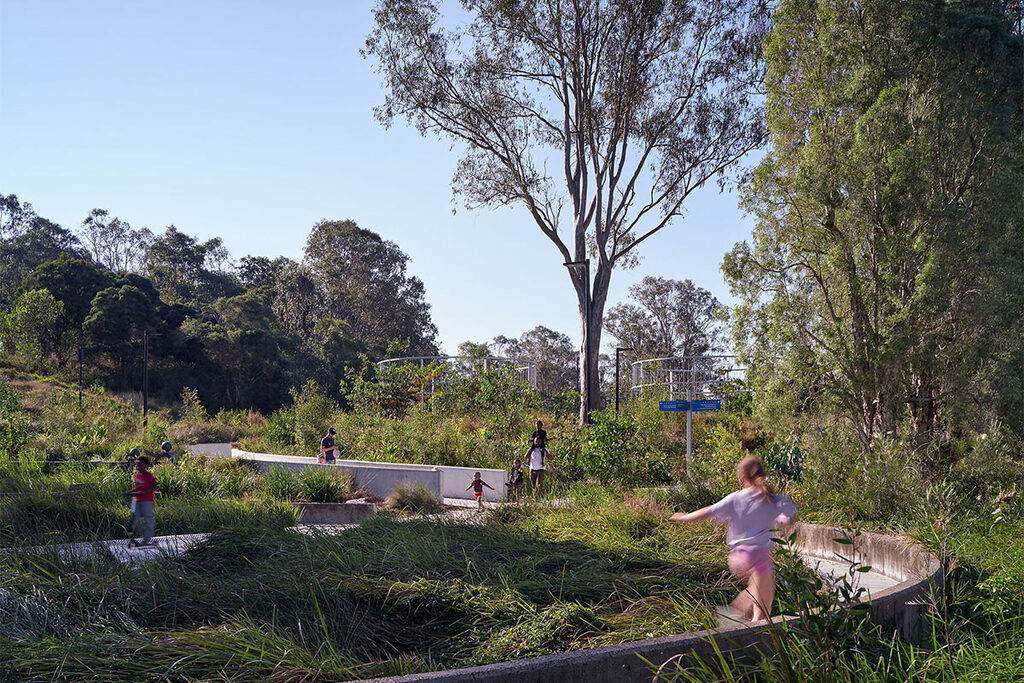
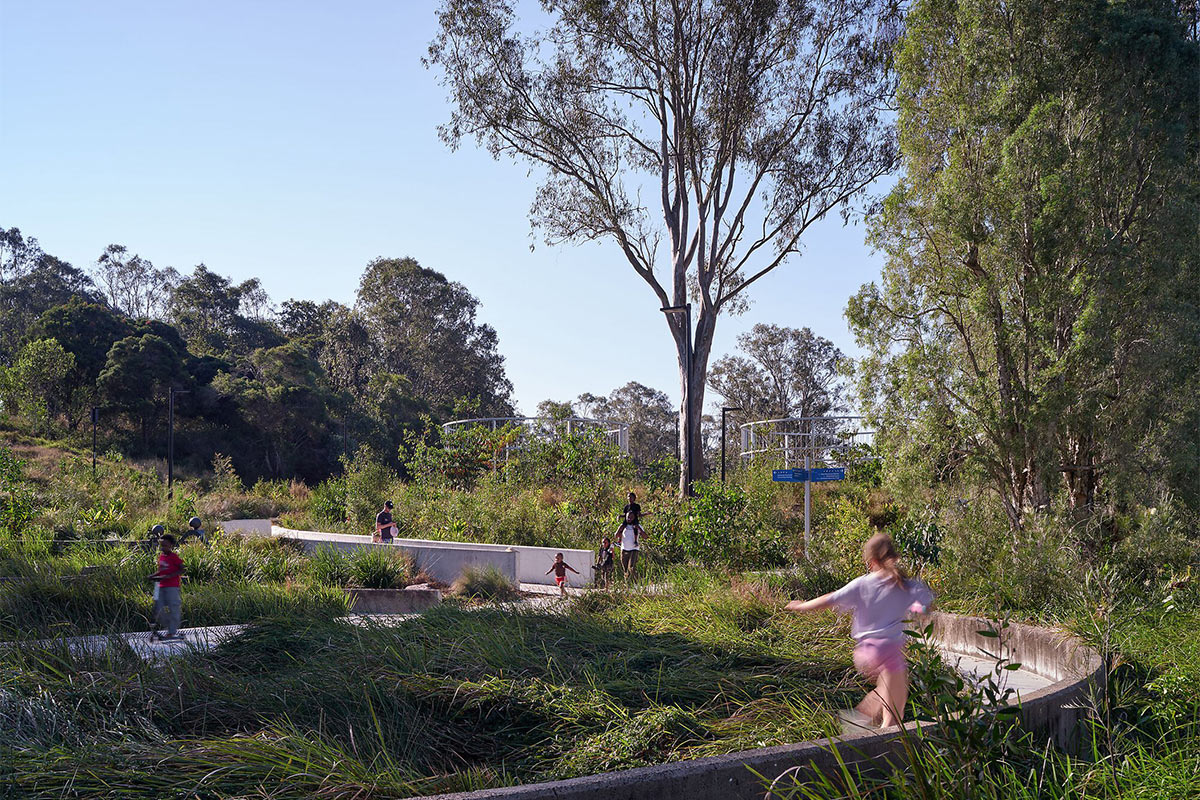
Archerfield Wetlands Parkland by Brisbane Sustainability Agency. Image: Christopher Frederick Jones
IMG LINK
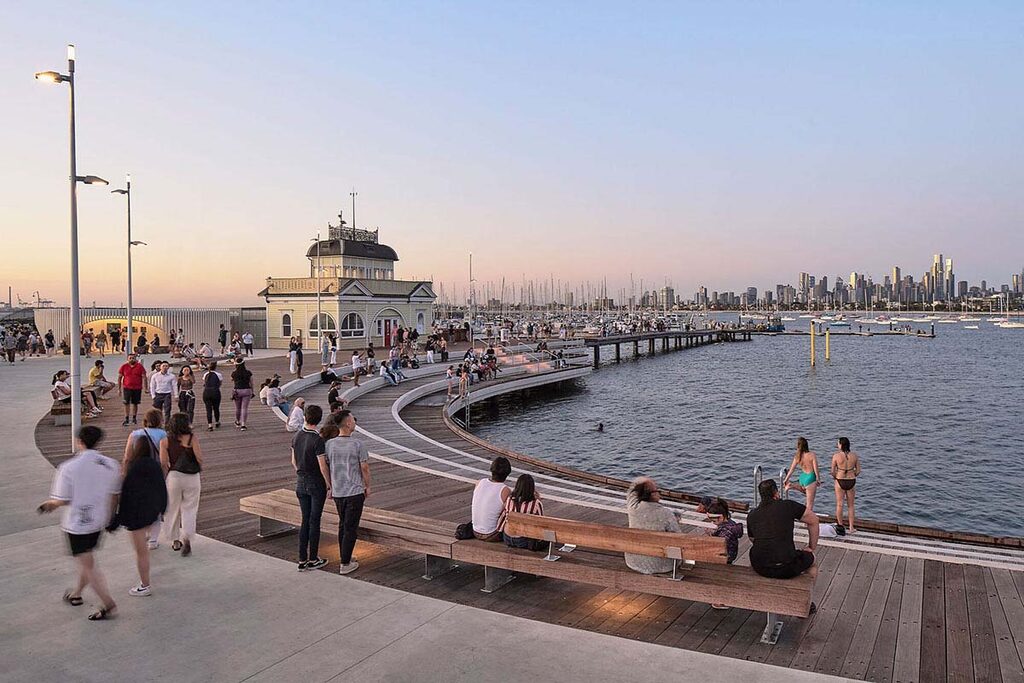
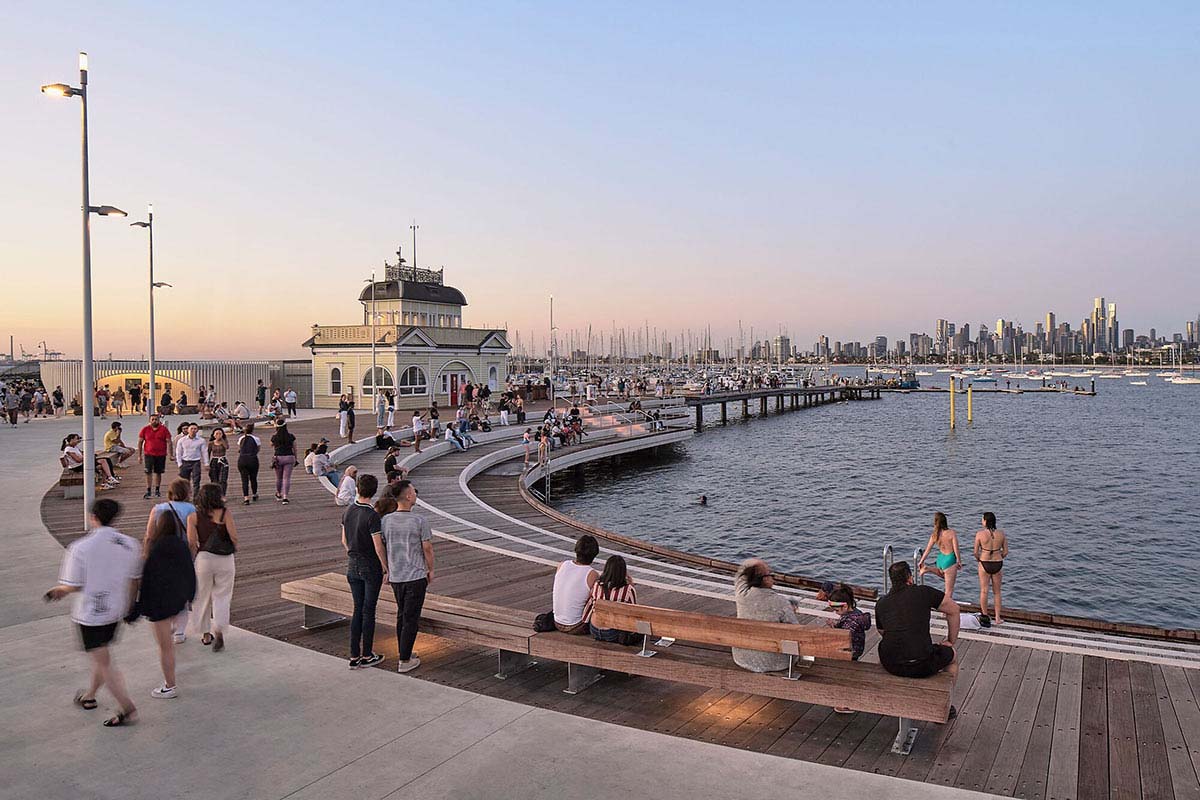
Urban Design - St Kilda Pier Redevelopment by Site Office Landscape Architecture, Jackson Clements Burrows Architects and AW Maritime. Image Peter Clarke
IMG LINK
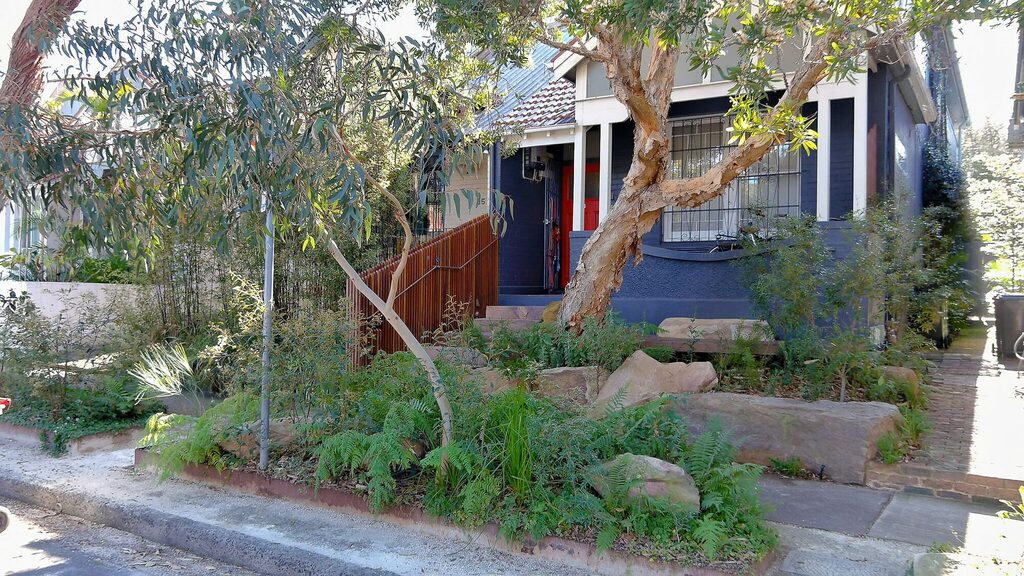
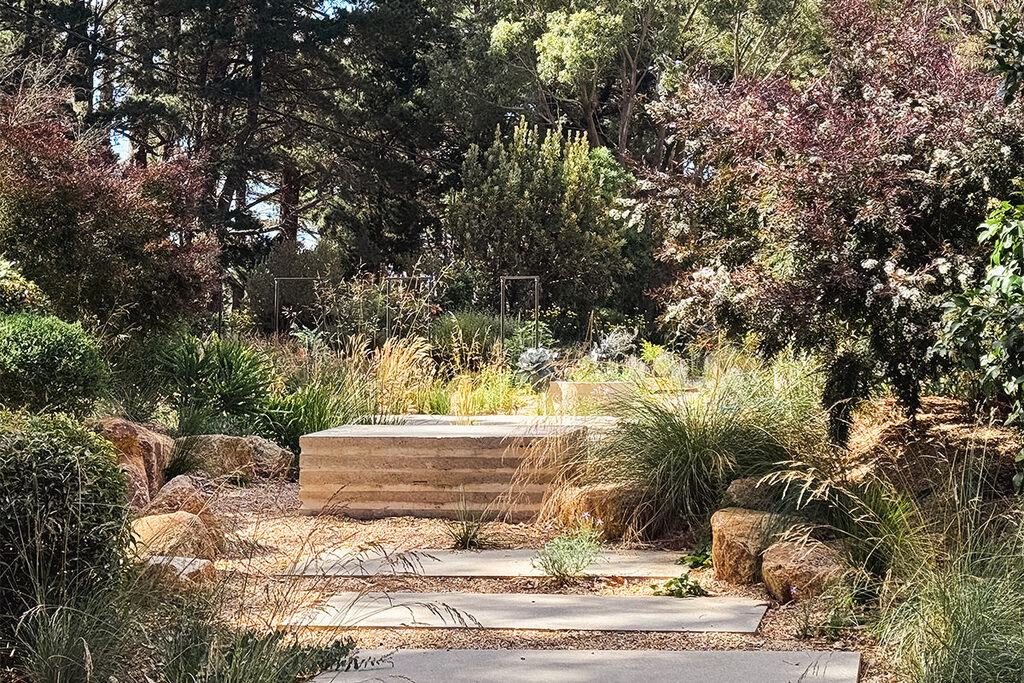
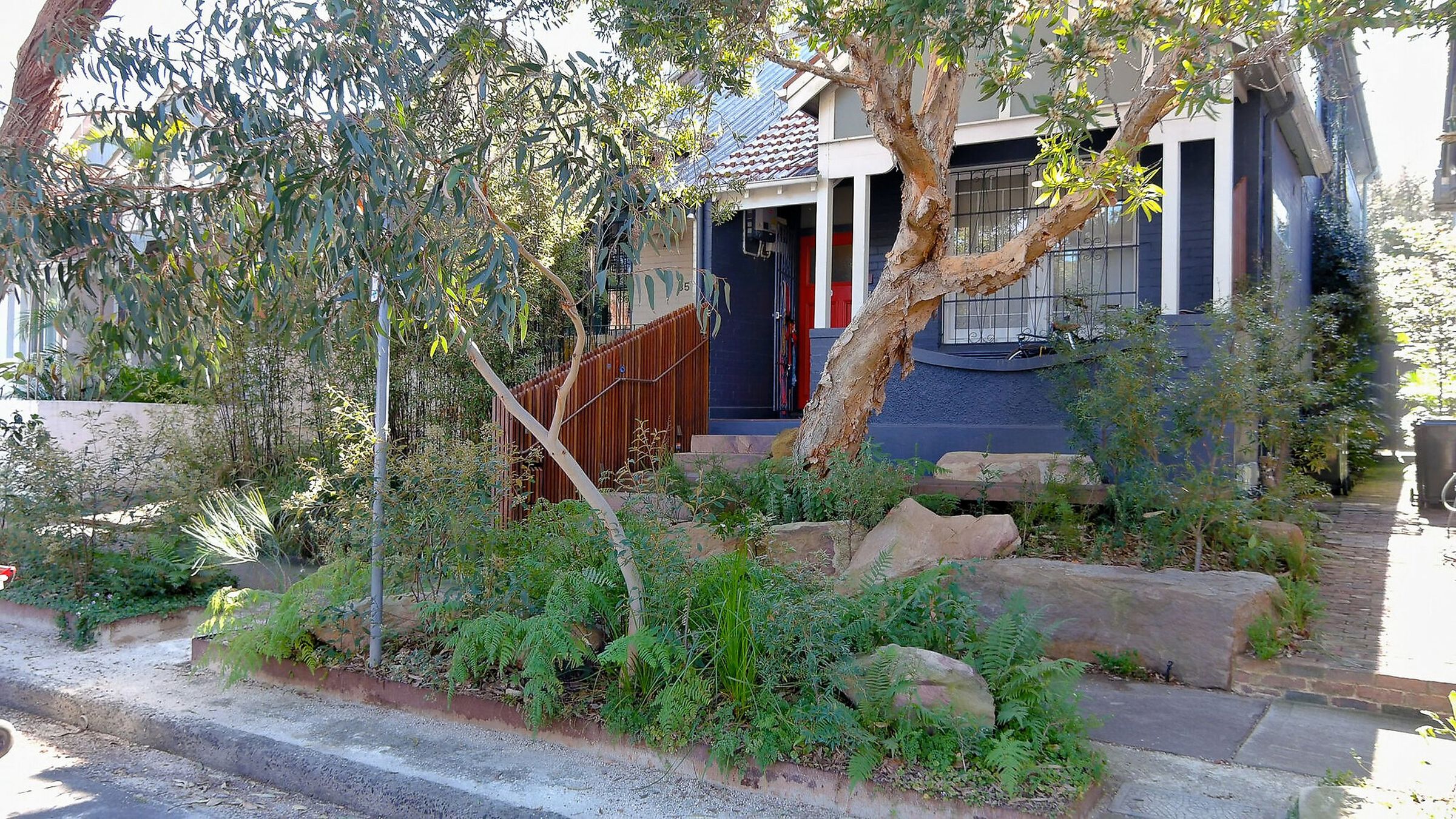
Residential Design - Small - Big Little Bondi Garden by Bushy Landscapes Big. Image: Elizabeth Blacklock
Landscape Australia Award Winners 2026
The winners of the first-ever Landscape Australia Awards have been revealed, showcasing the very best landscape projects and ideas shaping the country. The Awards celebrate excellence in landscape architecture and design, recognising the innovative and sustainable projects that foster better environments for communities and the planet.
The awarded projects (winners and jury citations from pg. 4) include everything from a tennis court reimagined as an experimental garden, rehabilitated woodlands on a former water treatment plant site and a modest Bondi plot that rebels against the typical conventions of the Australian front yard.
The Landscape Australia Awards program spans eight categories that reflect the diverse practice of landscape architecture and design. There are ten winners and one commendation across eight categories in this year’s Awards:
- Public Design – Archerfield Wetlands Parkland by Brisbane Sustainability Agency
- Urban Design – St Kilda Pier Redevelopment by Site Office Landscape Architecture, Jackson Clements Burrows Architects and AW Maritime
- Residential Design – Large – The Winter Garden by Timothy Mitchell Landscape Architecture
- Residential Design – Small – Big Little Bondi Garden by Bushy Landscapes
- Small Project Design (joint winner) – Wurundjeri Biik Garden by Wurundjeri Woi-wurrung Cultural Heritage Aboriginal Corporation, Royal Botanic Gardens Victoria, SKL Gardens and Petrichor Collaborative
- Small Project Design (joint winner) – Birrarung Trial Floating Wetlands by City of Melbourne
- Analysis and Planning (joint winner) – Green Pathways Gold Places: The Green Grid by Australian Institute of Landscape Architects Queensland Chapter in collaboration with Australian Institute of Architects, Planning Institute of Australia and Design Institute of Australia
- Analysis and Planning (joint winner) – Central Park, Bradfield City by Bradfield Development Authority
- Research Policy and Communications (joint winner) – The Woody Meadow Guidelines by The University of Melbourne – The Woody Meadow Project
- Research Policy and Communications (joint winner) – Nature Based Cities Design Guidelines and Scorecards by Tract
Jury Chair and editor of Landscape Australia, Emily Wong, explained the importance of this new Awards program and common themes among the winners: “The way we design landscapes is becoming more and more important. Looking after ecosystem health is vital, and increasingly research is showing how crucial nature is for human wellbeing and health, so we need to be progressing landscape architecture and design as a discipline and celebrating what is being done well.”
“The winning projects are both innovative and practical. They show how anyone can turn a space into a thriving garden, apply urban rewilding research, and drive real change in their local communities.”
“Rather than focusing solely on aesthetics, the winners involve the public in learning about ecology, place, biodiversity and the changing climate. We see how the public can engage with the gardens of private residences and participate in the creation of green spaces – the projects foster understanding of why embedding nature in our cities is of the utmost importance.”
“These award winners show us that landscape design is not just about creating connections between people and the environment, but also about connecting with each other.”
Public Design winner, Archerfield Wetlands Parkland by Brisbane Sustainability Agency transforms the site of an abattoir and wastewater treatment plant into an immersive wetland that creatively references its past. It is a brilliant example of how biodiversity can be brought back into urban environments and polluted sites rehabilitated and rewilded.
St Kilda Pier Redevelopment by Site Office Landscape Architecture, Jackson Clements Burrows Architects and AW Maritime is the winner of the Urban Design category. The project is a reimagining of a much-loved St Kilda pier into a delightful and climate change-resilient civic space.
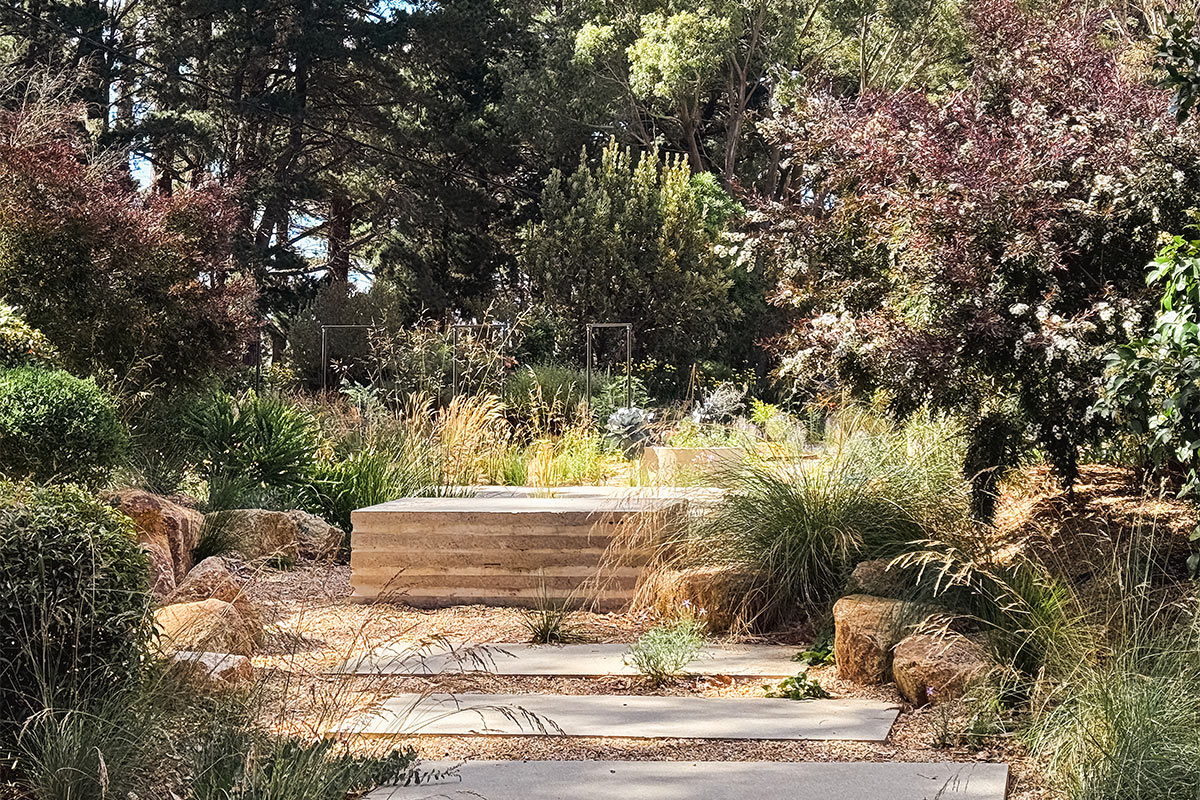
The Winter Garden by Timothy Mitchell Landscape Architecture transforms a former tennis court into an experimental garden through adaptive reuse. The Residential Design – Large winner shows how static spaces can be transformed into immersive, atmospheric and dynamic gardens.
Big Little Bondi Garden by Bushy Landscapes rebels against the conventions of the typical Australian front yard. Compact yet generous, the garden uses the pre-European vegetation condition as a reference ecosystem for planting, dissolves fence boundaries and shows how much can be done with a tiny plot. A worthy winner of the Residential Design – Small category.
Joint winner of Small Project Design, Wurundjeri biik Garden by Wurundjeri Woi-wurrung Cultural Heritage Aboriginal Corporation, Royal Botanic Gardens Victoria, SKL Gardens and Petrichor Collaborative, presents First Nations cultural knowledge in an immersive garden. Co-winner and celebrated Yarra River project, Birrarung Trial Floating Wetlands by City of Melbourne can be used as a model for river restoration projects across Australia, bringing biodiversity and river health back to our cities.
Analysis and Planning (joint winner), Green Pathways Gold Places: The Green Grid by Australian Institute of Landscape Architects Queensland Chapter in collaboration with Australian Institute of Architects, Planning Institute of Australia and Design Institute of Australia – is a shared advocacy agenda showing what the legacy of the Brisbane Olympics could be, if considered through a connected urban landscape, rather than simply through the buildings. Joint winner Central Park, Bradfield City by Bradfield Development Authority is a model for future civic planning projects that is Country-centric, embedding Traditional Custodian authority and knowledge, right from the very beginning of a planning process.
The Woody Meadow Guidelines by The University of Melbourne – The Woody Meadow Project distils ten years of research on how to create beautitful, diverse, rich plantings in an urban context that don’t require much maintenance and are low cost. It was the joint winner in the Research Policy and Communications category alongside Nature Based Cities Design Guidelines and Scorecards by Tract – a framework for how decision-makers can embed nature into buildings and precincts in medium to high density areas.
A comprehensive judging process by a jury of industry experts determined the winners of the Awards:
- Catherin Bull, Professor Emeritus, University of Melbourne
- Robert Champion, Founder, TARN
- Jefa Greenaway, Founding Director, Greenaway Architects
- Claire Martin, Associate Director, Oculus
- Emily Wong (Jury Chair), Editor, Landscape Australia
The awards and commendations were announced Wednesday 21 October at a ceremony at Robin Boyd House, with the winners published on Landscape Australia and ArchitectureAU.
For more information and a details of the Landscape Australia Award Winners 2026, visit Landscape Australia Awards
More green updates