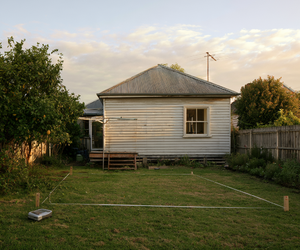
How to find an architect whose style suits your home
The quickest way to find the right architect is to start with the work, not the name. Shortlist practices whose built projects look like the home you want, at a similar scale, budget and site type. Then check they are registered and send them a clear brief. Most homeowners do it the other way round, which is why the search so often drags on for months.
Not sure yet whether an architect is the right help for your project? Start with Do I need an architect? An honest guide for Australian homeowners.
Why finding an architect takes longer than you expect
Once an architect is engaged, design to lodged plans typically takes around five months. The stage before that is rarely measured. Archive Design’s research on how long it really takes to get to lodged plans models researching, briefing and finding an architect at 6 to 38 weeks before any design work begins.
That time isn’t free. House construction prices rose 5.9% nationally in the year to June 2026 (ABS), so each month a build waits adds roughly $2,000 to $5,000 for every $1 million of construction.
Start with the homes you keep coming back to
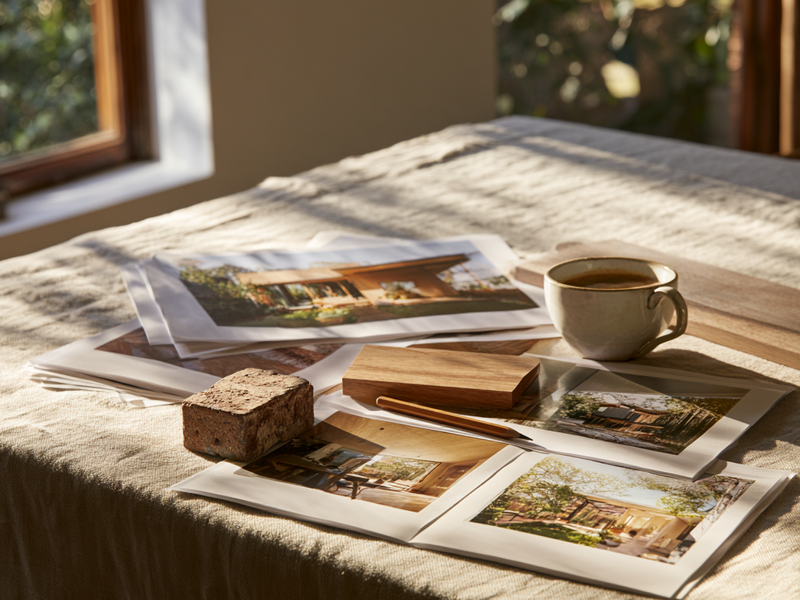
Before you contact anyone, collect 10 to 20 images of homes you love and write one line on what you like about each. Look for the pattern: the materials, the quality of light, how the rooms meet the garden, the scale. You aren’t trying to copy a project. You’re giving an architect a clear picture of what good looks like to you.
Shortlist on built work that resembles your project
Awards and magazine features tell you a practice is talented. They don’t tell you it has solved your problem. Look for built work on a site like yours: a narrow terrace, a sloping block, a home in a heritage conservation area, an older house being extended rather than replaced.
Unbuilt and concept work is worth a look too. It often shows how a practice thinks before a client’s budget shapes the result.
Look at how they approach sustainability
Style is more than looks. Two practices with similar finishes can take very different approaches to orientation, shading, insulation, materials and how much of an existing house to keep. Ask to see a project where they retained more than the client expected, and ask how they would approach comfort and energy use on your site.
Check registration
Every state keeps a public register of architects. Before you engage anyone, check that the architects you’ll work with are listed with the board in your state, such as the NSW Architects Registration Board. It takes a minute.
Send a brief before the first call
A one-page brief lets an architect tell you quickly whether they’re a fit. Cover:
- your site: block size, orientation, and any heritage or planning overlays you know of
- how you want to live: rooms, light, the garden, and how your household will change
- your style references, with a line on what you like about each
- must-haves and deal-breakers
- a construction budget range, kept separate from fees and contingency
Budget is the most common source of misalignment, and a range is enough to start. Full-service fees are commonly reported at 7 to 15 percent of construction cost; this guide to how architect fees work in Australia explains the three ways practices charge.
Questions for the first meeting
- Which of your built projects is closest to ours, and what would you do differently now?
- Which approval pathway is likely, and how does that change the timeline?
- How do you charge, and what’s included at each stage?
- Who in the practice will work on our project day to day?
Or let the matching come to you
Archive Design matches homeowners with architects on the fit between their brief and each architect’s existing work. You share your brief in about ten minutes and see anonymised matches, so you judge the work before the name. An introduction happens only if there’s a fit, and you pay only if you go ahead. See which architects’ work fits your project.